

More news on this day
With airspace closures rippling across the Gulf and an estimated 130,000 British nationals stranded in the region, the UK government will tonight dispatch its first chartered repatriation flight from Muscat, Oman, marking the start of a complex airlift operation out of a fast-moving Middle East crisis.
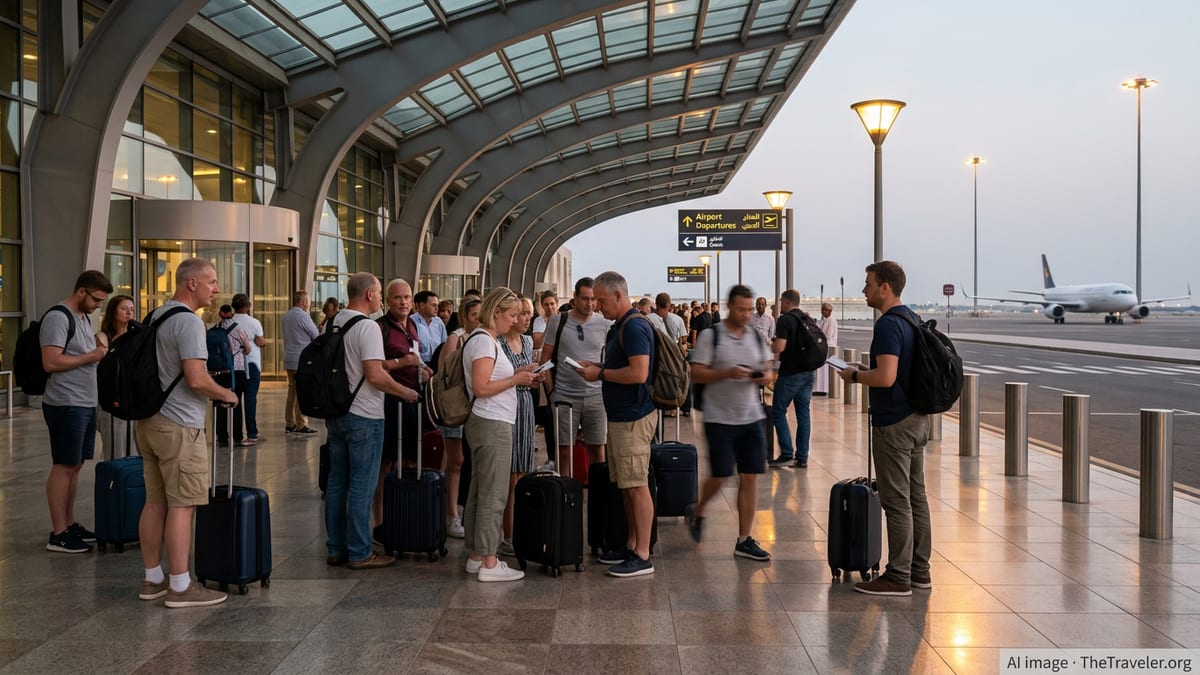
First Government Flight Lifts Off From Muscat
The Foreign Office has confirmed that a government-chartered aircraft will depart Muscat International Airport at 7pm local time on Wednesday, carrying the first wave of British nationals attempting to leave the conflict zone. The one-off flight, operated by a commercial carrier on behalf of the UK government, is the first state-backed evacuation service to leave the Middle East since the latest round of fighting erupted.
Seats on the flight are open to British nationals as well as their spouses or partners and children under 18, provided they hold valid travel documents. Officials stress that the service is intended to complement, not replace, restricted commercial options still operating in and out of the region.
The departure comes amid severe disruption to normal aviation patterns, with large swathes of airspace either closed or heavily restricted after waves of missile and drone attacks tied to the escalating confrontation between Iran, Israel and US forces. Airlines across the Gulf have cancelled or diverted services, leaving airports crowded with stranded passengers and transit hubs operating at a fraction of normal capacity.
Priority for the Most Vulnerable Travellers
Foreign Office guidance makes clear that the Muscat charter is being tightly controlled, with priority given to those judged most vulnerable, including families with young children, people with urgent medical needs and individuals unable to secure a commercial alternative. Officials are contacting eligible passengers directly using details from the government’s Register Your Presence system.
British nationals already in Oman, or who have made their way there from neighbouring Gulf states, have been told not to travel to Muscat International Airport unless instructed to do so by consular staff. The government says this is essential to avoid overcrowding at the terminal, ensure passenger lists can be verified and maintain security around the operation.
Dependants who are not British citizens face an additional layer of checks. According to updated travel advice, they will only be able to board if they can present a valid visa or permission to enter or remain in the UK for more than three months, reflecting standard border and security requirements that continue to apply even during an emergency evacuation.
130,000 Britons Registered Across the Region
The scale of the evacuation challenge is underscored by official figures showing that about 130,000 British nationals have now registered their presence in the Middle East with the Foreign Office. Many are holidaymakers or business travellers who found themselves stranded when airspace closures shut down key transit routes across the Gulf over the weekend.
Foreign Secretary Yvette Cooper has described the situation as unprecedented, telling lawmakers that consular teams are working around the clock in coordination with embassies, local authorities and airlines to track British citizens and provide advice. Call centres in London and regional hubs have logged thousands of calls in recent days, with roughly half understood to be from people in the United Arab Emirates, one of the most affected travel hubs.
Officials emphasise that registering with the Foreign Office does not guarantee a seat on a government flight but does allow consular staff to assess need, push out security updates and alert people quickly when evacuation options become available. Travellers are being urged to keep contact details up to date, ensure phones are charged and monitor official channels closely as the situation shifts hour by hour.
Commercial Flights Still Severely Disrupted
While the Muscat charter is the most visible sign of direct government intervention so far, ministers continue to insist that commercial airlines will carry the bulk of passengers home if and when conditions allow. British Airways has said it will operate its own service from Muscat to London in the early hours of Thursday to repatriate customers who were diverted to Oman or booked through its holiday arm.
Elsewhere, Middle Eastern carriers are gradually resuming tightly controlled operations as security assessments evolve, but many major routes remain suspended. Services from hubs such as Dubai, Doha, Abu Dhabi, Bahrain and Tel Aviv are still heavily curtailed, and some airports have been forced to accommodate thousands of travellers sleeping in terminals while waiting for scarce outbound seats.
Travel industry analysts warn that seat capacity out of the Gulf will remain far below normal for days, if not weeks, even if the regional security picture stabilises. Airlines are juggling aircraft positioning, crew duty limits and complex overflight restrictions as they attempt to rebuild schedules in an environment where flight paths can change with little notice.
What Stranded British Tourists Should Do Now
For Britons currently stuck in the Gulf, official advice is to stay put, remain in regular contact with airlines or tour operators and follow instructions from local authorities. The Foreign Office is urging travellers not to attempt risky overland journeys to Oman or other departure points without clear guidance, warning that border crossings and road routes may be subject to sudden closure or heightened security checks.
Those in Oman who wish to leave are being advised to register for evacuation options if they have not already done so, keep documentation ready and be prepared to move quickly if contacted about a seat on the government charter or a commercial flight. Travellers elsewhere in the region are told to watch for fresh advisories, as additional charters or special commercial services may be announced at short notice if demand and security conditions warrant.
With conflict still unfolding and no clear timeline for full resumption of normal air travel, consular officials concede that many British nationals may face prolonged waits before securing a route home. For now, the Muscat flight represents a first, limited lifeline in what is likely to become a broader and more complex operation to move tens of thousands of people out of a region in flux.