

More news on this day
UK-based luxury chauffeur platform Wheely has entered the United States with a launch in New York City, aiming to capture high-spending travelers and executives seeking an alternative to conventional ride-hailing services.
Get the latest news straight to your inbox!
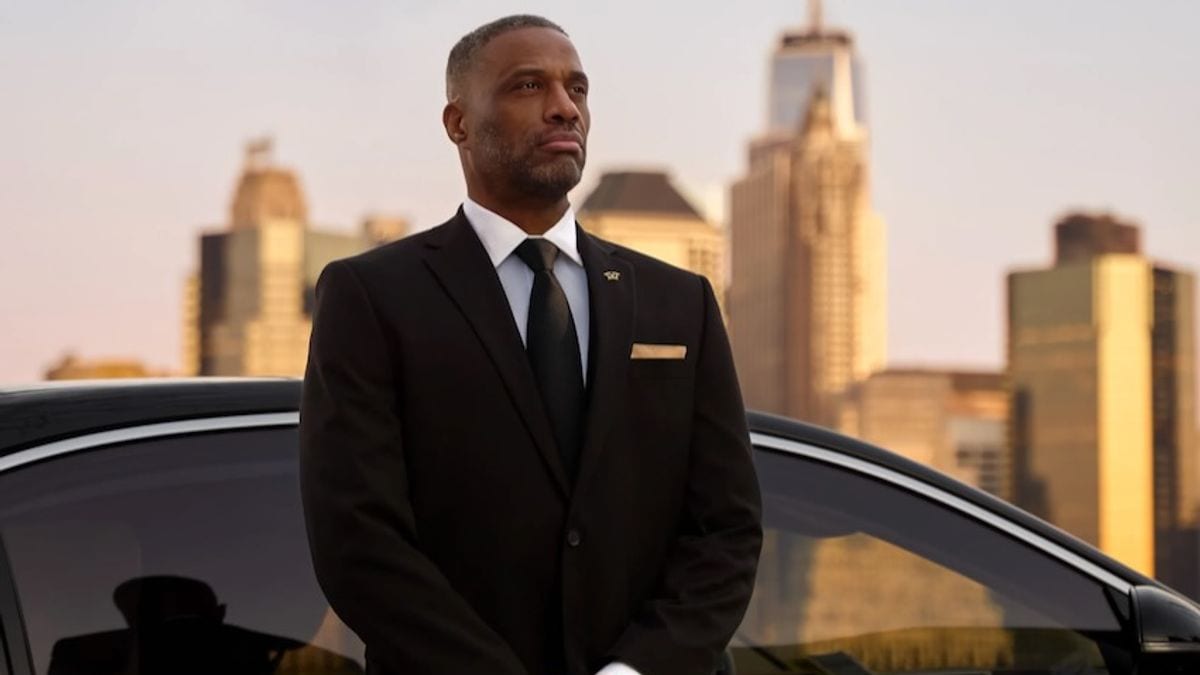
Image by Business Travel News Europe
London Luxury Player Targets US Elites
Publicly available information shows that Wheely, founded in Europe and headquartered in London, has built its reputation around tightly curated premium rides, positioning itself above mainstream ride-hailing brands. The company operates with professional chauffeurs, high-end vehicles and a focus on discretion, competing more directly with executive car services than with budget transport options.
Reports indicate that the New York launch marks Wheely’s first operational market in the United States. The move follows years of activity in cities such as London, Paris and Dubai, where the app has targeted business travelers, hotel guests and residents accustomed to concierge-style services.
Industry coverage describes Wheely’s New York debut as a strategic step into one of the world’s most competitive urban mobility markets. By leading with its most premium offerings rather than a broad range of tiers, the company appears to be concentrating on a relatively small but lucrative segment of riders who prioritize service standards over price.
Analysts following the sector note that the entry of a Europe-based chauffeur specialist into the US adds another layer to the evolving market between conventional ride-hailing, black-car operators and traditional limousine services.
Service Model Focuses on Chauffeurs, Not Drivers
According to the company’s own materials and independent product reviews, Wheely emphasizes a chauffeur-first model built around professional presentation and training. Prospective chauffeurs are expected to meet vehicle standards that typically include late-model luxury sedans and SUVs, as well as to adhere to formal dress codes and established etiquette guidelines.
Unlike many app-based services that rely heavily on part-time drivers, Wheely’s model highlights an in-house training framework described in coverage as a Chauffeur Academy. This structure is presented as a way to standardize behavior, safety practices and guest interaction, seeking to deliver an experience closer to traditional chauffeuring than to casual ride-hailing.
New York riders are being offered multiple vehicle classes, including standard business cars and higher-tier offerings with amenities such as bottled water, in-car climate preferences and assistance with luggage. Reports suggest that bookings can be made on demand or in advance, with features tailored to flight tracking and airport pickups that are familiar to frequent flyers.
For the US market, this emphasis on formality and predictability may appeal to corporate travel managers, personal assistants and hotel concierges who routinely arrange transportation for senior executives and high-net-worth individuals.
Competitive Pressure on Premium Segments
Industry reporting on the launch notes that Wheely’s arrival in New York places it in direct competition with the premium offerings of larger platforms, as well as with established chauffeur companies that have long served Wall Street, Midtown offices and luxury hotels. Services such as executive black-car operators and global chauffeur networks are already deeply embedded in corporate travel programs.
Analysts point out that the premium on-demand space has evolved in recent years as major ride-hailing platforms expanded their own higher-end tiers aimed at business users and affluent residents. Wheely’s differentiation hinges on limiting supply to vetted chauffeurs, maintaining higher price points and prioritizing service rituals that traditional limousine customers expect.
Market observers suggest that the New York launch may trigger a renewed focus on the upper end of app-based mobility, with competitors likely to highlight their own upgrades in vehicle quality, loyalty programs and corporate tools. Pricing strategies could become an important factor, as Wheely balances exclusivity with the need to build sufficient demand and driver liquidity in a single city.
For incumbents, the presence of another specialized player could also prompt consolidation or new partnerships with hotels, airlines and travel agencies, as each brand seeks to secure valuable referral channels and repeat corporate business.
US Entry Signals Broader Expansion Ambitions
Coverage of Wheely’s strategy in recent years has pointed to an ambition to scale beyond its European base while remaining selective about markets. The choice of New York as a first US city reflects both the depth of luxury demand and the city’s global visibility among business travelers who may already use the app in London or Paris.
Publicly available information indicates that Wheely has previously highlighted plans to grow via a limited number of high-value hubs rather than rapid expansion to dozens of cities. Entering the United States with a single flagship market is consistent with that approach, allowing the company to refine operations, local regulatory compliance and marketing before considering further American cities.
Analysts following urban mobility trends note that the New York move may serve as a test case for how far the ultra-premium chauffeur model can scale in a market accustomed to a wide range of transport options, from taxis and ride-hailing to private car services arranged directly by corporations. Metrics such as repeat usage by corporate clients, integration into travel management tools and uptake from five-star hotels will be watched closely.
If performance in New York meets expectations, observers expect the company to assess additional US markets with strong concentrations of finance, technology and entertainment customers, where demand for discreet, high-touch transport is already well established.
Regulation, Labor and the Future of Chauffeured Mobility
Wheely’s US debut also places the company within an evolving regulatory landscape around app-based transport. New York has long been a focal point for debates about licensing, safety and the employment status of drivers working with digital platforms. While the details of Wheely’s local arrangements are governed by city and state rules, the company enters a market where policymakers continue to scrutinize working conditions and classification.
Observers note that chauffeur-focused services often operate differently from mass-market ride-hailing, with a smaller pool of professional partners and higher trip values. This model can influence how earnings, working hours and contractual relationships are structured, as well as how fleets invest in vehicle standards and insurance coverage.
Looking ahead, analysts suggest that the introduction of another premium operator could encourage further innovation in the segment, including tighter integration with corporate booking tools, more personalized in-car services and technology to manage privacy and security for high-profile guests. As competition intensifies, service quality and reliability may become as important as price in shaping rider preferences at the top end of the market.
For New York’s already crowded mobility ecosystem, the arrival of a UK-based chauffeur platform signals that demand for luxury travel options remains robust, even as broader questions about sustainability, congestion and fair work practices continue to shape the future of urban transport in the United States.