

More news on this day
UK motorists and logistics operators are facing a widening diesel price premium over petrol, as the mounting Iran oil crisis disrupts global fuel supplies and drives fresh volatility through energy markets.
Get the latest news straight to your inbox!
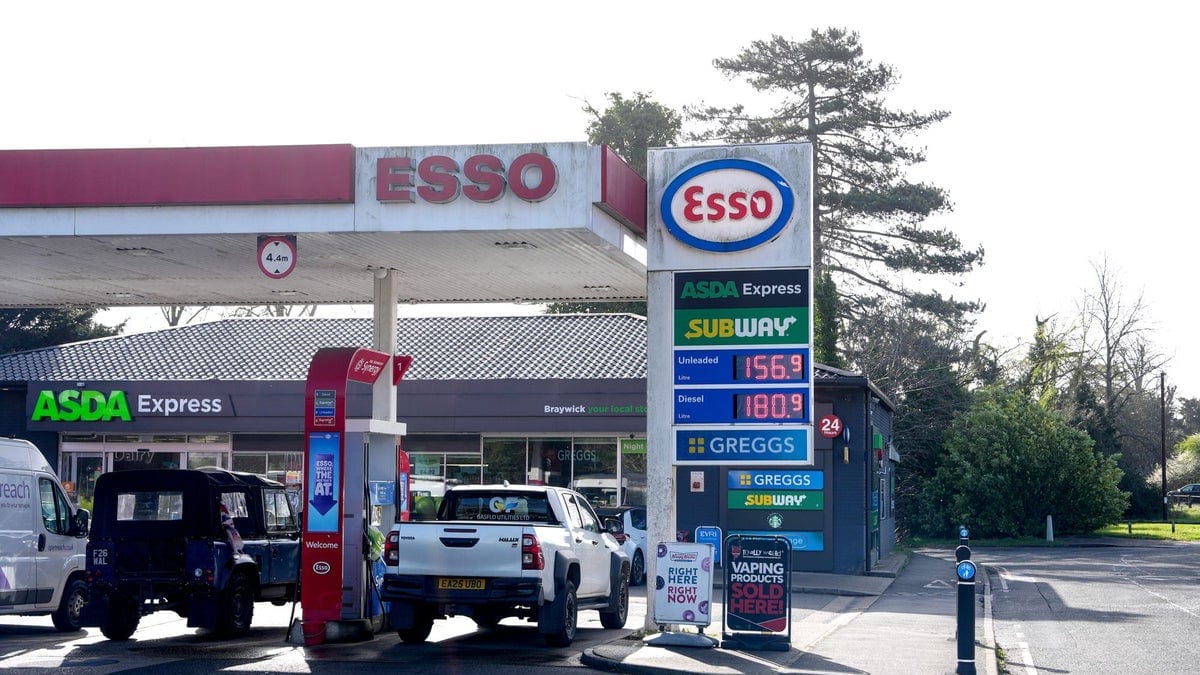
Image by The Independent News & Advice
Diesel Surges Faster Than Petrol at UK Pumps
Recent pump price data indicate that diesel has climbed sharply in March, outpacing already steep increases in petrol across the UK. Published coverage of forecourt trends suggests diesel prices have jumped by close to 30 pence per litre since late February, compared with a rise of around 14 pence for petrol over the same period. The result is a renewed and pronounced gap between the two fuels after more than a year of relative stability.
Supermarket fuel stations, which typically undercut the wider market, have reported significant upward moves. One major grocery chain recently acknowledged temporary fuel shortages at some forecourts as both petrol and diesel breached psychologically important thresholds, with diesel leading the gains. Industry commentary points to sustained pressure on wholesale diesel contracts, which are more exposed to disruptions in global middle distillate supply than petrol.
The squeeze follows a period in 2025 when falling crude prices and intense retail competition had narrowed the price difference between petrol and diesel. The latest surge reverses that trend, leaving diesel drivers once again paying a distinct premium and reigniting debate about the vulnerability of the UK’s fuel mix to external shocks.
Iran Conflict Tightens Global Oil and Diesel Supply
The renewed diesel disparity is closely tied to the deepening conflict involving Iran, the United States and Israel, which has roiled global oil markets since late February. Analysis from international agencies and market observers describes the 2026 Iran war as triggering one of the largest supply disruptions in modern history, following air strikes, retaliatory attacks and a series of incidents at critical energy facilities and shipping routes.
The effective closure or severe restriction of the Strait of Hormuz, through which around a fifth of the world’s traded oil normally passes, has forced tankers to divert or suspend sailings. Additional strikes on export infrastructure such as Kharg Island and facilities in Saudi Arabia have compounded the shortfall. Brent crude futures have repeatedly pushed above 110 dollars a barrel, with some sessions approaching 120 dollars as traders price in the risk of prolonged outages.
Middle distillates such as diesel, heating oil and jet fuel have been particularly affected. Refineries that are still operating at normal capacity are seeing stronger margins on diesel as buyers bid aggressively for available cargoes, while some plants face feedstock or power constraints. The UK, which relies heavily on imported diesel even when domestic refineries are running smoothly, finds itself especially sensitive to these global imbalances.
Shipping Chokepoints and Red Sea Risks Add to Costs
Beyond lost production, the crisis has disrupted the seaborne arteries that carry crude and refined products to Europe. As Iran’s posture in the Persian Gulf has raised the cost and risk of transiting Hormuz, attention has shifted to alternative routes through the Red Sea and the Suez Canal. That corridor has itself become volatile amid renewed missile launches by Iran-aligned Houthi groups in Yemen and fresh fears of attacks on commercial shipping.
Previous rounds of Houthi activity in the Bab el-Mandeb Strait between 2023 and 2025 prompted shipowners to reroute vessels around Africa’s Cape of Good Hope, adding weeks to voyages and significantly increasing bunker and insurance costs. Market reports indicate that war-risk premiums and cargo insurance rates have moved higher again in recent days as traders weigh the probability of further strikes and potential closures.
For the UK diesel market, these maritime tensions feed directly into landed costs. Even when crude and refined product cargoes are available for purchase, extended shipping times, higher insurance charges and congestion at key ports lift the final price of imported diesel. These additional frictions help explain why UK diesel benchmarks have reacted more sharply than petrol, which benefits from a somewhat different global trade pattern and stronger domestic refining balance.
Structural Dependence Leaves UK Exposed
Official statistics and recent commentary from energy analysts underline how structural factors magnify the impact of the Iran crisis on UK diesel prices. While the UK refines significant volumes of petrol and often produces more than domestic motorists consume, it has long been a net importer of diesel, drawing on suppliers in northwest Europe, the Middle East and, to a lesser extent, other regions.
Industry data show that in 2025 the UK imported only a small share of its crude directly from the Middle East, sourcing much of it instead from the United States and Norway. Diesel, however, is different: a notable slice of demand has been met by imported product originating from or routed through the Gulf, leaving flows vulnerable to both production outages and shipping delays. With the present crisis removing millions of barrels per day from global supply and complicating transport through both Hormuz and the Red Sea, the UK’s diesel deficit has become more expensive to bridge.
Domestic policy settings provide only limited insulation. Fuel duty remains frozen at 52.95 pence per litre for both petrol and diesel, and value-added tax is charged at a flat percentage rate, so the tax structure does not itself drive the widening gap. Instead, wholesale dynamics and the cost of securing physical barrels are passing through with unusual speed to forecourts, a pattern visible in the rapid day-to-day moves motorists have observed.
Households, Hauliers and Inflation Under Pressure
The renewed diesel premium carries significant implications for the broader UK economy. Diesel is the primary fuel for heavy goods vehicles, many delivery fleets and a share of company cars, meaning higher prices feed quickly into logistics costs and, ultimately, retail prices. Recent official data already point to softer retail sales volumes, with analysts linking consumer caution to the prospect of higher transport and energy bills as the Iran conflict drags on.
Economic forecasts published in recent days suggest that the jump in fuel prices will add noticeably to inflation in the coming quarters, partly reversing the disinflationary trend that had taken hold through 2025. Central bank briefings cited higher oil and gas futures as a key upside risk, with the direct contribution of energy projected to lift consumer price inflation more than previously expected in the second half of 2026.
For households, the impact is uneven. Drivers of newer petrol cars or plug-in hybrids face higher running costs but are less directly exposed to the diesel-specific spike. Owners of diesel vehicles, as well as small businesses reliant on diesel-powered vans and trucks, are bearing the brunt of the price moves. Trade bodies representing hauliers and logistics firms have warned in recent commentary that sustained diesel prices at current levels could force higher delivery surcharges and accelerate fare and ticket increases across public transport and freight sectors.
With Middle East tensions unresolved and both shipping and production risks still elevated, energy analysts caution that diesel price volatility is likely to persist. Unless global supply routes stabilize or coordinated stock releases dampen the market, UK diesel users may have to adjust to a prolonged period of higher relative prices compared with petrol.