

More news on this day
The UK is bracing for what tourism analysts describe as a record-breaking Easter on home soil, with more than twelve million Britons expected to opt for domestic holidays and generate close to five billion pounds in spending across the country.
Get the latest news straight to your inbox!
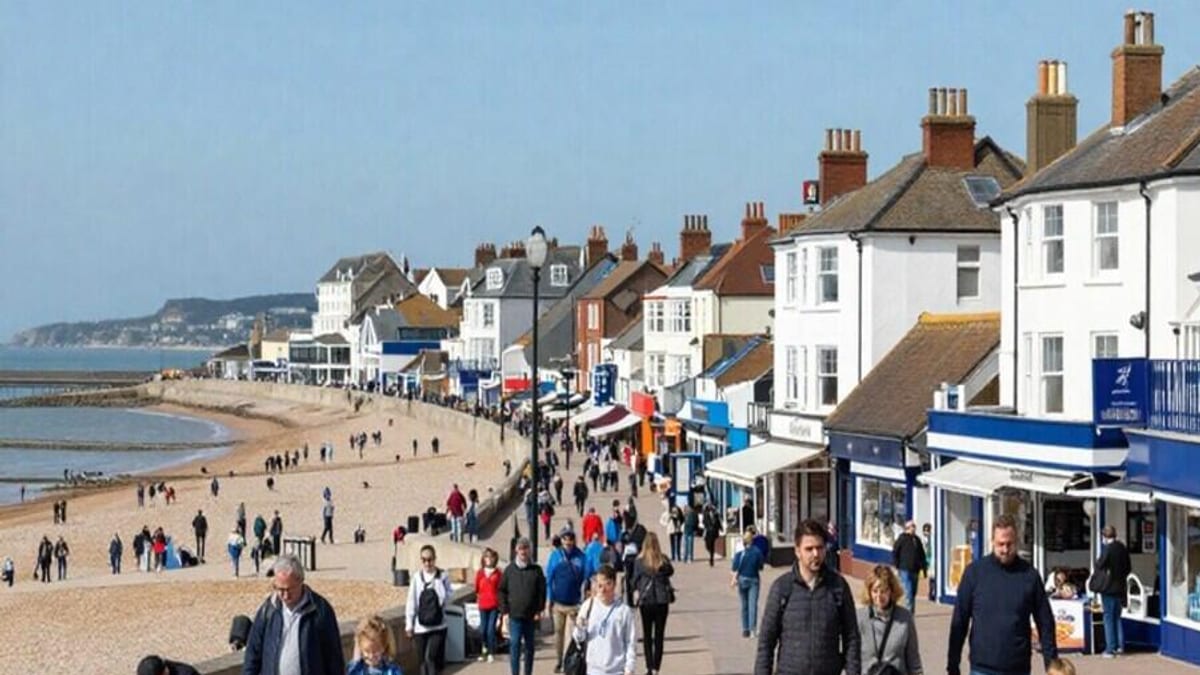
Image by Latest International / Global Travel News, Breaking World Travel News
Record Domestic Demand Outpaces Overseas Easter Travel
Recent trip-tracker data from VisitEngland and other publicly available tourism indicators show that domestic Easter breaks are set to outnumber overseas getaways by a significant margin. Earlier survey results for the current Easter period already pointed to more than 10 million residents planning overnight UK trips, with updated industry modelling now suggesting the total will climb beyond twelve million as last-minute bookings and short breaks are factored in.
Previous Easter forecasts indicated that domestic overnight trips would deliver close to four billion pounds to the economy. With trip volumes expected to exceed earlier baselines and average spend per staycation rising in line with inflation and higher accommodation prices, sector analysts now estimate that this year’s Easter holidays could approach or surpass the five billion pound mark in domestic tourism spending.
The trend reflects a broader rebalancing of British holiday habits. Official figures on overseas travel for 2024 showed strong recovery in foreign trips, yet domestic tourism bodies report that the share of residents choosing to stay in the UK at key holiday moments such as Easter has remained structurally higher than before the pandemic. This Easter’s projections, combining overnight stays with a surge in day trips, look set to cement that shift.
Motoring and transport forecasts also point to the scale of demand. Recent Easter and bank holiday studies by motoring organisations and traffic analysts have recorded between 14 million and nearly 20 million leisure journeys by car over long weekends, and similar numbers are expected again as Britons converge on coastal resorts, national parks and city attractions rather than airports and overseas destinations.
Five Billion Pounds in Local Spending Across Britain
Economic impact calculations for Easter draw heavily on the latest Great Britain Tourism Survey data, which puts average domestic overnight holiday spend well into the hundreds of pounds per trip. Applying these averages to the anticipated volume of stays, tourism economists estimate that UK residents could spend nearly five billion pounds over the Easter period on accommodation, food and drink, attractions, retail and transport within Britain.
Tourism advocacy groups highlight that this influx arrives at a pivotal moment for local economies still adjusting to higher operating costs and changing visitor patterns. Recent national tourism fact sheets show domestic holiday spending already back above pre-pandemic levels on an annual basis, and a bumper Easter is likely to give additional momentum to regions that remain heavily reliant on seasonal trade.
Rural and coastal areas are expected to benefit strongly. Visitor economy reports from counties in the South West, Wales, Scotland and northern England indicate rising advance bookings compared with last year, particularly for self-catering cottages, holiday parks and short-let properties popular with families. Many local authorities and destination management organisations have been promoting off-peak experiences and shoulder-season events to spread demand beyond the summer, with Easter now emerging as a key proving ground for that strategy.
Urban destinations are also preparing for a lift in footfall. Major cities with strong cultural programmes, from London’s museums and theatre districts to regional cities hosting spring festivals, are forecasting fuller hotels and busier restaurants as residents choose multi-night city breaks over flights abroad. Retail and hospitality trade bodies have pointed to the Easter weekend as a crucial driver of early-year revenue, particularly given the squeeze from energy and wage costs.
Staycation Trend Strengthened by Cost, Convenience and Climate Concerns
The projected record for domestic Easter holidays fits into a longer staycation arc that began with pandemic travel restrictions and has since been reinforced by economic and lifestyle factors. Household budgets remain under pressure from elevated living costs, and survey work by tourism boards suggests that many families view UK breaks as a way to secure a holiday while avoiding high airfares, foreign exchange volatility and the added expense of longer-haul trips.
Convenience is another powerful driver. Consumer research released over the past year indicates that a growing segment of travellers prefer shorter, more frequent breaks that can be reached by car or train, particularly when travelling with children or pets. Easter aligns well with this pattern, combining school holidays with milder weather and allowing for long weekends that do not require taking extensive annual leave.
Environmental considerations are also playing a more visible role. While not yet the dominant factor in decision-making, publicly available polling on travel attitudes shows increasing awareness of the carbon footprint associated with flying. Domestic tourism campaigns have responded by emphasising rail-linked destinations, walking routes and nature-based experiences, capitalising on a desire among some travellers to reduce emissions without forgoing time away.
At the same time, infrastructure and service challenges are shaping behaviour. Reports on rail disruption, industrial action and road congestion in previous holiday periods have encouraged some travellers to book closer to home or to opt for self-drive trips at quieter times of day. The ability to adjust plans quickly in response to weather or transport issues is often cited in consumer research as an advantage of holidaying within the UK.
Traffic Surge Tests Transport Networks and Popular Hotspots
The shift toward domestic Easter travel carries implications for the UK’s transport networks. Recent traffic forecasts for long weekends suggest that leisure journeys by car can reach upwards of 19 million trips over the four-day Easter period, making some routes among the busiest of the year. Studies by motoring organisations and traffic analytics firms have previously highlighted pressure points on key motorways, including sections of the M25, M5, M6 and routes into major coastal resorts.
While not all of these journeys involve overnight stays, the overall pattern underscores how strongly people are moving around within the country rather than flying abroad. Forecasts for this Easter anticipate similar or greater volumes, with drivers advised through public information campaigns to expect longer travel times and to plan routes around likely congestion hotspots and roadworks.
Rail, coach and domestic air services are also preparing for increased demand. Previous holiday periods have seen a combination of planned engineering works and strong passenger numbers, and this Easter is expected to follow the same pattern. Public timetables and operator statements point to some alterations on key intercity routes, prompting many travellers to combine rail with local car hire or to switch entirely to road travel for flexibility.
Tourist boards and local councils have been encouraging visitors to check parking capacity, pre-book attractions where possible and consider public transport options at destinations. Park-and-ride schemes, shuttle buses and temporary traffic measures are increasingly used at popular coastal towns and national parks in response to staycation crowds, particularly when weather forecasts are favourable.
Outlook: Easter as a Bellwether for UK Tourism in 2026
Industry observers view the Easter period as an important early indicator for the wider 2026 tourism season. Strong domestic bookings, combined with resilient interest in overseas travel, suggest that overall demand for holidays among UK residents remains robust despite economic headwinds. Tourism statistics for 2023 and 2024 showed that domestic overnight holiday numbers and spending were already on an upward trajectory, and the latest Easter projections point to further gains.
If current forecasts for more than twelve million domestic Easter trips and nearly five billion pounds in spending are borne out, destination managers are likely to double down on efforts to spread visitors more evenly through the year and across regions. Strategies being discussed in public policy documents include promoting lesser-known locations, supporting events outside the peak summer window and investing in sustainable transport links to popular beauty spots.
There are also signs that the character of the staycation is evolving. Consumer trend reports note rising interest in experiences such as food and drink trails, wellness retreats, adventure sports and heritage-themed itineraries, which can command higher per-trip spending than traditional seaside breaks. A strong Easter could accelerate investment in these segments, particularly in areas seeking to diversify away from highly seasonal, weather-dependent trade.
For now, the immediate focus is on managing the surge in demand and capitalising on the economic opportunity it presents. With millions of Britons choosing to spend Easter closer to home, businesses across accommodation, hospitality, culture and transport are poised for one of the most lucrative domestic holiday weekends on record.