

More news on this day
Airline passengers across the United Kingdom faced fresh disruption on March 31, 2026, as more than 20 flights operated by major carriers including British Airways, Virgin Atlantic, Gulf Air, easyJet and Ryanair were cancelled, affecting key routes to cities such as Riyadh, San Francisco, Los Angeles, Berlin, Medina, Copenhagen, Edinburgh and Istanbul.
Get the latest news straight to your inbox!
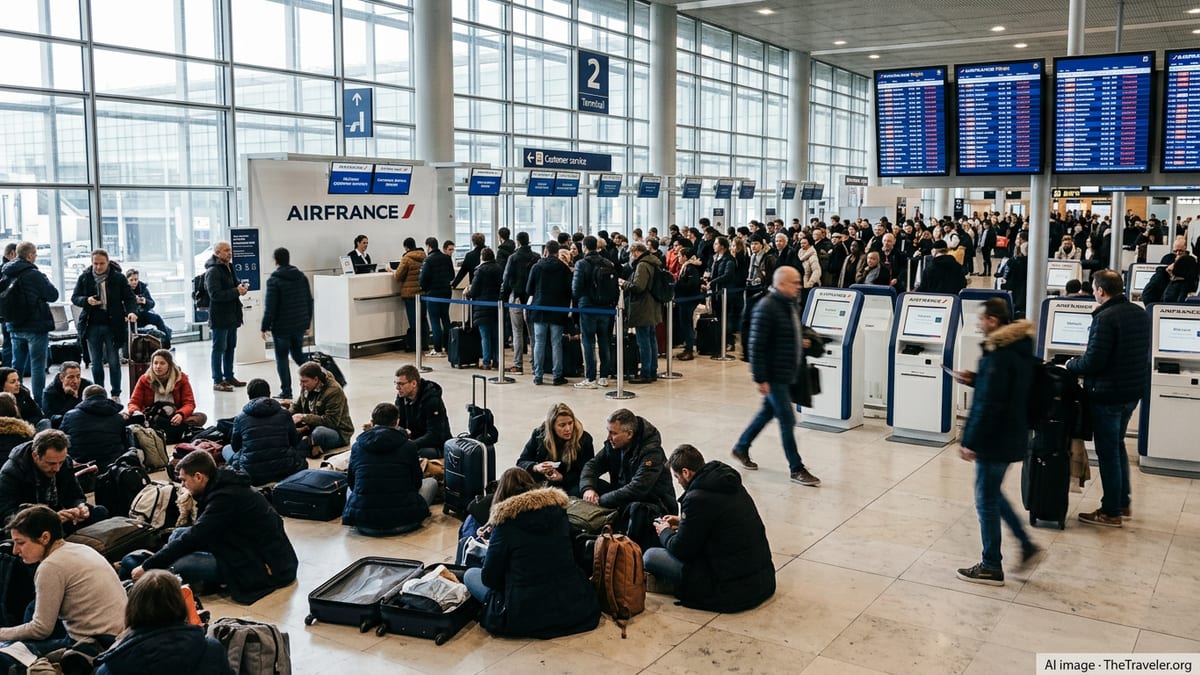
Wave of Cancellations Hits Major UK Hubs
Publicly available operational data and industry coverage indicate that UK airports, including London Heathrow, London Gatwick, Manchester, Edinburgh and others, have seen a new round of cancellations and delays at the start of the week. Travel tracking analyses point to at least 20 flights being cancelled on March 31 alone, with additional knock-on delays for both departing and arriving services.
The impact has been felt most clearly across high-traffic short haul and long haul corridors. Flights linking the UK with major European cities, as well as North American and Middle Eastern destinations, have been particularly exposed, leading to last-minute schedule changes, aircraft swaps and in some cases extended gaps before the next available departure.
Reports from flight-status platforms show that British Airways, Virgin Atlantic, Gulf Air, easyJet, Ryanair and several European network airlines are among those affected. While many services are still operating, the cancellations are concentrated on routes with limited daily frequencies, amplifying disruption for passengers whose journeys rely on single daily or overnight connections.
Industry commentators note that the latest problems arrive on top of an already strained operating environment across Europe, where recent days have seen hundreds of delays and dozens of cancellations linked to weather, regional instability and air traffic control constraints.
Key International Routes to Riyadh, US West Coast and Europe Affected
Among the most closely watched changes are those impacting links between the UK and Saudi Arabia. According to recent published coverage, Virgin Atlantic is discontinuing its London to Riyadh service less than a year after launch, while other carriers have adjusted schedules or routings in response to ongoing instability and elevated risk in parts of the Gulf region. These moves have tightened capacity on Riyadh and Medina routes at the same time as disruption spreads across wider Middle East airspace.
Travel data and passenger reports further indicate interruptions on services connecting UK hubs with US West Coast cities, including San Francisco and Los Angeles. Long haul operations to and from the United States have remained broadly resilient, but cancellations on individual departures can leave travellers with limited same-day alternatives, particularly where flights operate once daily and are already heavily booked for the early spring travel period.
Within Europe, links to Berlin, Copenhagen and Istanbul have also seen disruption, with cancelled or heavily delayed flights affecting both leisure and business travellers. Low-cost carriers such as easyJet and Ryanair, along with full-service airlines including British Airways and other European operators, are contending with congested airspace and tight turnaround times, which can lead to wider schedule knock-on effects when a single sector runs significantly late or is withdrawn.
Routes between London and Scottish cities such as Edinburgh have also reported scattered cancellations. While multiple daily frequencies usually allow for same-day reaccommodation, travellers on early-morning or late-evening sectors may face extended waits or the prospect of overnight stays when flights are pulled at short notice.
Operational Pressures Behind the Latest Disruptions
Analysts following the current situation point to a combination of factors behind the latest wave of cancellations. Across Europe, a mix of unsettled weather conditions, ongoing air traffic control staffing challenges and route adjustments linked to geopolitical tensions in the Middle East are all contributing to irregular operations.
Publicly available airline and airport statements in recent weeks highlight how rerouted long haul services around sensitive airspace have increased flight times and fuel burn, reducing schedule flexibility and tightening crew duty limits. When flights run significantly longer than planned, subsequent rotations may have to be cancelled or swapped, particularly late in the day when fewer recovery options are available.
At the same time, the spring travel build-up is putting additional pressure on fleets and staffing. Industry trackers have documented several instances where aircraft and crew are out of position due to disruption on earlier sectors, forcing airlines to trim frequencies or consolidate flights to maintain network stability. Low-cost and full-service carriers alike are attempting to protect peak departures, which can shift the burden of cancellations onto secondary timings and connecting services.
Gulf-based and Middle Eastern airlines, including Gulf Air and others serving UK routes, are navigating the same constraints, with some schedules adjusted or suspended on specific city pairs. These network changes can create gaps in onward connectivity from UK airports to destinations across the wider region.
What UK and Connecting Passengers Should Expect
For travellers booked on British Airways, Virgin Atlantic, Gulf Air, easyJet, Ryanair and other affected carriers, industry guidance suggests preparing for ongoing short-notice changes over the coming days. Flight-status tools show that while most services continue to operate, the pattern of rolling disruptions means passengers may see departure time shifts, aircraft substitutions or cancellations appear within hours of scheduled departure.
Consumer advocates point out that under UK and European passenger rights regulations, travellers whose flights are cancelled are generally entitled to rebooking or a refund, and in some circumstances additional assistance such as meals and accommodation. The exact remedies depend on the cause of the cancellation, the length of delay and the distance of the flight.
Passengers are being encouraged, through public travel advice columns and airline notices, to monitor their booking status closely on the day of travel, arrive at the airport with additional time and keep digital and printed copies of their itineraries, boarding passes and receipts for any out-of-pocket expenses incurred during disruption. Those with onward connections, particularly to long haul destinations such as the US West Coast or the Middle East, may wish to explore earlier feeder flights where possible to reduce the risk of missed links.
Travel experts also recommend that customers consider flexible booking options where available, such as tickets that permit free date changes or travel vouchers, as long as these do not compromise their rights under statutory compensation frameworks. Insurance policies that specifically cover delays and cancellations can offer an additional buffer, though travellers are advised to review terms carefully.
Outlook for UK and European Air Travel in the Coming Days
Looking ahead to the first days of April, aviation analysts expect continued pressure on European air travel, though not necessarily at crisis levels. Forecasts indicate that a combination of lingering weather fronts, high traffic volumes and complex routings around restricted airspace will likely keep cancellation and delay figures above seasonal norms.
Industry monitoring over recent days has consistently shown elevated disruption at major European hubs, including London, Frankfurt, Paris, Istanbul and Zurich, with ripple effects into regional airports such as Copenhagen, Berlin and Edinburgh. As airlines implement schedule tweaks and deploy reserve aircraft, some stabilisation is anticipated, but the situation remains fluid.
For UK passengers planning trips to Riyadh, Medina, San Francisco, Los Angeles, Istanbul and other long haul destinations, the current environment suggests that building additional time into itineraries, checking flight status frequently and remaining flexible on routings will be important. Travellers connecting through the UK from elsewhere in Europe may face similar challenges, particularly on peak travel days.
While there is no single underlying cause driving the present pattern of more than 20 cancellations and widespread delays, the convergence of operational, regulatory and geopolitical pressures has underlined the fragility of current schedules. Observers note that the coming weeks will test the resilience strategies of airlines across the UK and Europe as they attempt to balance demand growth with the need to maintain reliable operations.