

More news on this day
Travelers departing the United Kingdom at the start of the busy spring travel period are facing fresh disruption as more than 20 flights operated by major carriers including British Airways, Virgin Atlantic, Lufthansa and EasyJet have been cancelled, affecting long haul and European routes to cities such as Riyadh, Boston, Cairo, Stockholm, Los Angeles, Istanbul, Copenhagen and Edinburgh.
Get the latest news straight to your inbox!
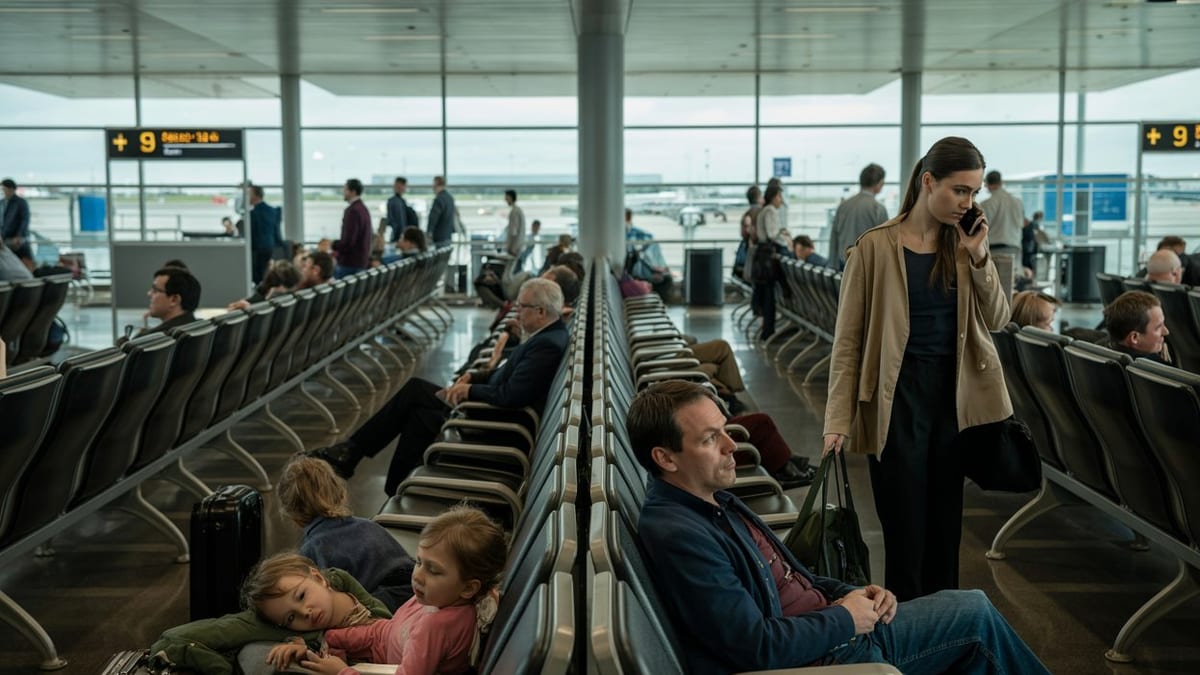
Image by Travel And Tour World
Multiple Airlines Trim UK Schedules on Key Long Haul Routes
Publicly available flight boards and schedule data for major UK airports on March 30 show a cluster of cancellations across several long haul routes, notably from London to Riyadh, Boston, Cairo and Los Angeles. Services touching these markets are primarily operated or codeshared by large network carriers such as British Airways, Virgin Atlantic and Lufthansa, alongside partner airlines that feed traffic through London Heathrow and other hubs.
The affected routes sit at the heart of transatlantic and Middle East connectivity, linking London with key business and leisure destinations in North America and the Gulf. Boston and Los Angeles remain among the most heavily served US cities from London, while Riyadh and Cairo are central gateways for travel to Saudi Arabia and Egypt. Disruption on these sectors is more visible because many flights are timed to connect with onward services across Europe, Africa and Asia.
Reports from travelers indicate that some cancellations have appeared with limited advance warning, with flights removed from booking tools or re‑timed as airlines consolidate services. In several cases, passengers report being offered rebooking on alternative departures later the same day or the following day, sometimes via partner hubs in continental Europe or the Middle East, which can lengthen overall journey times.
According to industry commentary, these isolated cancellations form part of a broader pattern of capacity management during a volatile period for global aviation in early 2026. Airlines are balancing strong demand with fleet availability constraints and evolving security assessments that can prompt late adjustments to specific long haul rotations, especially where routes rely on particular aircraft types or overflight permissions.
European Links to Stockholm, Copenhagen and Edinburgh Also Affected
The latest wave of disruption is not limited to long haul markets. Flight information from UK airports also shows cancellations on short haul links to key European and regional destinations including Stockholm, Copenhagen and Edinburgh, routes that are central to both business travel and weekend city‑break traffic.
These sectors are served by a mix of legacy and low‑cost operators, with EasyJet playing a prominent role at London Gatwick and Luton, while British Airways remains a dominant carrier at Heathrow and London City. Lufthansa and other European network airlines also carry passengers between Nordic capitals and the UK via their home hubs, so schedule changes in one part of the network can reverberate across multiple countries.
Travel reports describe instances where early‑morning departures to Scandinavian gateways have been cancelled, with passengers rebooked onto later flights or offered itineraries connecting through Frankfurt, Amsterdam or other European hubs. For travelers heading to regional UK destinations such as Edinburgh, cancellations have sometimes resulted in longer ground transfers as alternatives into Glasgow or other nearby airports are arranged.
While the total number of affected flights is modest compared with overall daily movements, the concentration on popular city pairs means disruption can ripple through hotel bookings, rail connections and time‑sensitive trips such as business meetings or family events. The cancellations also come as airlines market aggressive spring and early summer fare sales from London, reinforcing the gap between headline capacity and the operational reality on the day of travel.
Operational Pressures, Security Reviews and Fleet Constraints Drive Cuts
Recent aviation coverage points to a mix of operational and strategic factors behind the cancellations seen across British Airways, Virgin Atlantic, Lufthansa, EasyJet and other carriers serving the UK. Airlines continue to navigate aircraft delivery delays, maintenance bottlenecks and crew rostering challenges that can force last‑minute reshuffles of flying programs, particularly on long haul routes that require specific aircraft types.
Global tensions and evolving risk assessments have also prompted airlines and regulators to regularly review flight paths and destinations in parts of the Middle East and surrounding regions. Published reports highlight schedule adjustments by several European carriers to destinations such as Tel Aviv, Dubai and nearby hubs in recent weeks, illustrating how a change in one corridor can have knock‑on effects for aircraft and crew availability across an airline’s wider network.
Low‑cost operators such as EasyJet face similar constraints on popular intra‑European routes. At peak periods, a single technical issue or weather‑related delay early in the day can cascade through tightly timed rotations, resulting in the cancellation of later services to destinations like Stockholm, Copenhagen or Edinburgh when recovery windows are limited.
Industry analysts note that airlines are increasingly using strategic cancellations to consolidate demand onto fewer flights when load factors do not justify operating every scheduled frequency. This approach can make networks more efficient overall, but it can leave individual passengers facing unexpected disruptions when lightly booked services are removed from the timetable.
Impact on Travelers and What Passengers Are Being Offered
For passengers caught up in the latest disruption, the immediate consequences range from extended airport waits to missed onward connections. Accounts shared by travelers on public forums describe experiences of same‑day cancellations from UK hubs, sometimes after check‑in, followed by rebooking onto later services via indirect routings or alternative carriers.
Public guidance from airlines and consumer organizations underscores that, under UK and European air passenger regulations, travelers on cancelled flights are generally entitled to a choice between rerouting at the earliest opportunity, travel on a later convenient date, or a refund of the unused portion of their ticket. In practice, options can depend on seat availability during busy periods, especially on long haul routes such as London to Los Angeles or Boston where alternative capacity may already be heavily booked.
Some carriers have introduced flexible policies for trips touching regions affected by heightened geopolitical tension, allowing date or destination changes without standard penalty fees. However, travelers still report challenges securing preferred alternatives when multiple airlines adjust schedules around the same time, creating bottlenecks at key hubs like Heathrow and Gatwick.
Consumer advocates advise impacted passengers to keep documentation of all expenses incurred as a result of cancellations, such as overnight accommodation or meals, since reimbursement rules may apply in certain circumstances. They also recommend monitoring airline apps and airport departure boards closely in the 24 hours before travel, as schedules can change even after earlier confirmation emails have been issued.
How Travelers Can Navigate Ongoing UK Flight Volatility
With the latest cancellations underscoring how quickly conditions can shift, travel experts suggest that passengers planning flights from UK airports build additional resilience into their itineraries. Booking the earliest feasible departure in the day, allowing generous connection times, and avoiding tight back‑to‑back commitments on arrival can help reduce the impact if a flight is delayed or cancelled.
Passengers are also encouraged to use direct airline channels and mobile apps to track booking changes in real time. Many carriers, including British Airways, Virgin Atlantic, Lufthansa and EasyJet, now provide push notifications about disruptions and self‑service tools for rebooking onto alternative services, though response times can lengthen during major irregular operations when call centres and airport desks are busy.
Travel insurance tailored to flight disruption continues to be recommended by consumer groups, particularly for long haul journeys where cancellations can trigger costly knock‑on changes to cruises, tours or connecting flights on separate tickets. Policies differ widely, so travelers are urged to review coverage for schedule changes, missed connections and accommodation before departure.
Despite the current wave of cancellations, overall UK air traffic remains significantly higher than during previous downturns, and most scheduled flights continue to operate as planned. However, the experience of passengers affected by today’s disrupted services to Riyadh, Boston, Cairo, Stockholm, Los Angeles, Istanbul, Copenhagen, Edinburgh and other destinations highlights how even a relatively small number of cancellations can cause outsized disruption when concentrated on heavily used routes.