

More news on this day
Thousands of air travellers across England and Scotland are facing significant disruption today as major airports in London, Edinburgh, Manchester and Newcastle register 79 cancellations and roughly 600 delays, snarling operations for carriers including Virgin Atlantic, British Airways, Lufthansa, Ryanair and several other European and low cost airlines.
Get the latest news straight to your inbox!
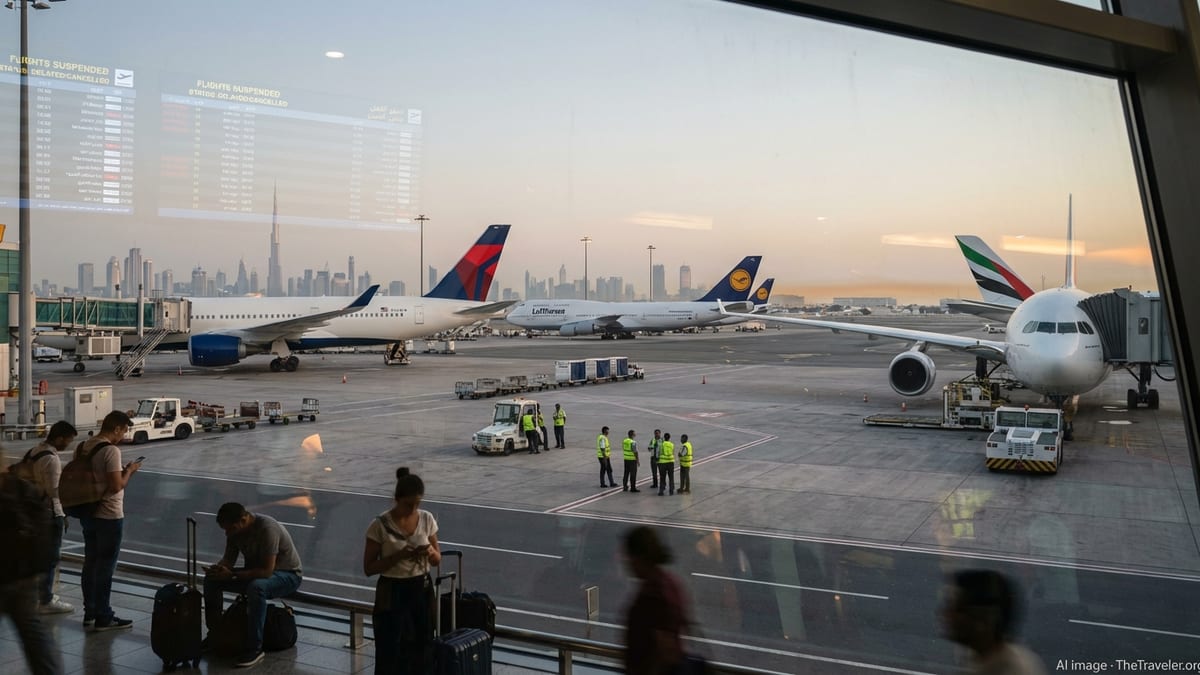
Major Hubs Across the UK Struggle With Knock-on Delays
Publicly available flight-tracking data indicates that disruption is concentrated at the largest airports serving England and Scotland, with London, Edinburgh, Manchester and Newcastle all reporting an elevated number of delayed departures and arrivals. The pattern reflects a broader spike in operational strain seen across European airspace in recent days, where modest schedule disruption at one hub has rapidly cascaded into wider network problems.
London’s airports continue to act as the primary pressure point, with a dense schedule of short haul and long haul flights leaving carriers with limited flexibility when delays begin to accumulate. Manchester and Newcastle have reported fewer outright cancellations but are seeing extended rolling delays on both domestic and European services, which in turn are feeding into missed connections and overnight misalignments of aircraft and crew.
In Scotland, Edinburgh is experiencing one of its most challenging days of the season so far, with a wave of late running services in the morning period spreading into the afternoon peak. Airlines have attempted to recover punctuality by turning aircraft as quickly as possible, but tight ground handling windows and heavy demand ahead of the spring travel period have made it difficult to restore normal intervals between flights.
As schedules slip, airports are contending with crowded departure halls, long queues at rebooking desks and heavier reliance on digital channels for status updates and itinerary changes. While core infrastructure remains fully operational, high passenger volumes relative to available seats on alternative services are limiting options for same day recovery.
Flag Carriers and Low Cost Airlines All Affected
The current wave of disruption is hitting a wide cross section of airlines that use English and Scottish airports as key nodes in their networks. Long haul operators such as Virgin Atlantic and British Airways are seeing punctuality challenges on transatlantic routes and services to the Middle East and Asia, where missed slots and crew duty time limits can force additional delays once an aircraft falls out of sequence.
European network carriers including Lufthansa are also affected, particularly on services linking UK regional airports with continental hubs. When an inbound aircraft from Frankfurt or Munich arrives late into Manchester or Newcastle, the return leg can be pushed back or, in some cases, consolidated, tightening connection windows for passengers with onward long haul journeys.
Low cost operators such as Ryanair are facing a separate set of challenges tied to their high aircraft utilisation model. With many jets scheduled for multiple short segments per day, even relatively minor weather or congestion related slowdowns can accumulate quickly, leaving passengers on later flights facing hour scale delays. Reports from recent disruption episodes across Europe suggest that this pattern can lead to late evening cancellations if crews reach regulatory duty limits before the final sectors of the day.
Other leisure focused and regional airlines are dealing with a similar squeeze, particularly on routes where there is limited competition or only one or two daily frequencies. In these cases, passengers whose flights are cancelled may have to wait until the following day for a rebooked seat, prolonging the impact on holiday plans and business trips.
Weather, Congested Airspace and Staffing Drive Irregular Operations
Data and analysis from aviation monitoring platforms indicate that the current problems in the UK are unfolding against a backdrop of persistent strain on Europe’s air traffic management system. Recent days have seen periods of unsettled weather, pockets of low visibility and strong winds across parts of the UK and near continent, which can reduce runway capacity and require greater separation between aircraft.
At the same time, high demand in the early spring travel period is limiting the ability of airlines to absorb disruption. Many flights are departing close to full, reducing the pool of empty seats that can be used to accommodate customers from cancelled or severely delayed services. Once aircraft and crews are out of position, recovery often takes several rotations, meaning that issues originating in the morning rush can linger well into the evening.
Staffing constraints at some ground handling providers and air traffic control centres have also been highlighted in industry reporting as a contributing factor. When combined with tight schedules and complex cross border routings, these constraints can magnify relatively localized issues into network level delays, particularly at multi runway hubs where any reduction in movements per hour has a rapid knock on effect.
Observers note that today’s cancellations and delays arrive on top of a series of earlier disruption spikes across Europe this month, underscoring how sensitive the system remains to operational shocks. Travellers moving through London, Edinburgh, Manchester and Newcastle are experiencing the downstream impact of an aviation ecosystem that has not fully rebuilt resilience to adverse weather or capacity bottlenecks.
Passengers Face Long Queues, Missed Connections and Limited Options
For travellers on the ground, the operational statistics translate into long waits in terminal buildings, missed connections and, in some cases, overnight stays far from home or their intended destination. Reports from recent disruption cycles around Europe show that passengers often encounter long queues both at traditional customer service desks and at self service kiosks as large numbers of people attempt to rebook at the same time.
With aircraft already heavily booked for the spring period, especially on popular leisure routes and major business city pairs, the availability of same day alternatives is limited. Even where airlines identify seats on later departures, knock on disruption at connecting hubs can still jeopardise onward travel. This is particularly acute for itineraries involving a change of aircraft in continental Europe, where late inbound flights from the UK can cause travellers to miss once daily long haul links.
Accommodation in airport hotels can come under strain on days with high cancellation numbers, especially in and around major hubs in southern England. Passengers who are rebooked for the following day may need to expand their search radius to find a room at short notice, while others opt to travel by rail or coach for shorter cross border journeys where that is feasible.
Consumer organisations and travel publications continue to advise passengers caught up in disruption to document expenses carefully and to retain boarding passes and written confirmation of delays or cancellations. Under European and UK aviation consumer rules, eligibility for compensation and care depends on the cause of the disruption and the length of the delay, with assessments often requiring detailed timeline evidence.
What Travellers Through UK Airports Can Do Today
Given the scale of today’s disruption, travel industry guidance emphasises proactive monitoring and flexibility for anyone flying into or out of London, Edinburgh, Manchester or Newcastle. Passengers are encouraged to check flight status repeatedly in the hours leading up to departure through airline apps, airport information pages and independent tracking tools, as schedules can change at short notice when operational conditions shift.
Those who have not yet departed for the airport and see an extended delay or a cancellation may have more options for rebooking if they contact the airline or their travel agent early, before alternative services fill up. For longer journeys involving connections, some travellers may be able to re route via less congested hubs or switch from indirect to nonstop services where availability allows, potentially reducing exposure to missed onward flights.
At the airport, passengers are finding that having digital boarding passes, flexible payment options and any relevant travel insurance information readily accessible can speed up interactions with airline staff and ground handlers during busy periods. Self service tools, where available, may help secure rebookings or meal vouchers without requiring a place in long physical queues.
With weather and airspace related pressures expected to continue periodically through the spring, today’s widespread disruption across England and Scotland serves as a reminder of the fragility of the current aviation environment. Travellers planning upcoming trips through the affected hubs may wish to build additional buffers into itineraries, particularly where onward connections or time sensitive events are involved.