


More news on this day
Air passengers across the United Kingdom faced fresh disruption as more than 20 flights were cancelled on Sunday, affecting services operated by British Airways, Virgin Atlantic, Gulf Air, easyJet, Ryanair and other carriers on key routes to the Middle East, North America and Europe.
Get the latest news straight to your inbox!
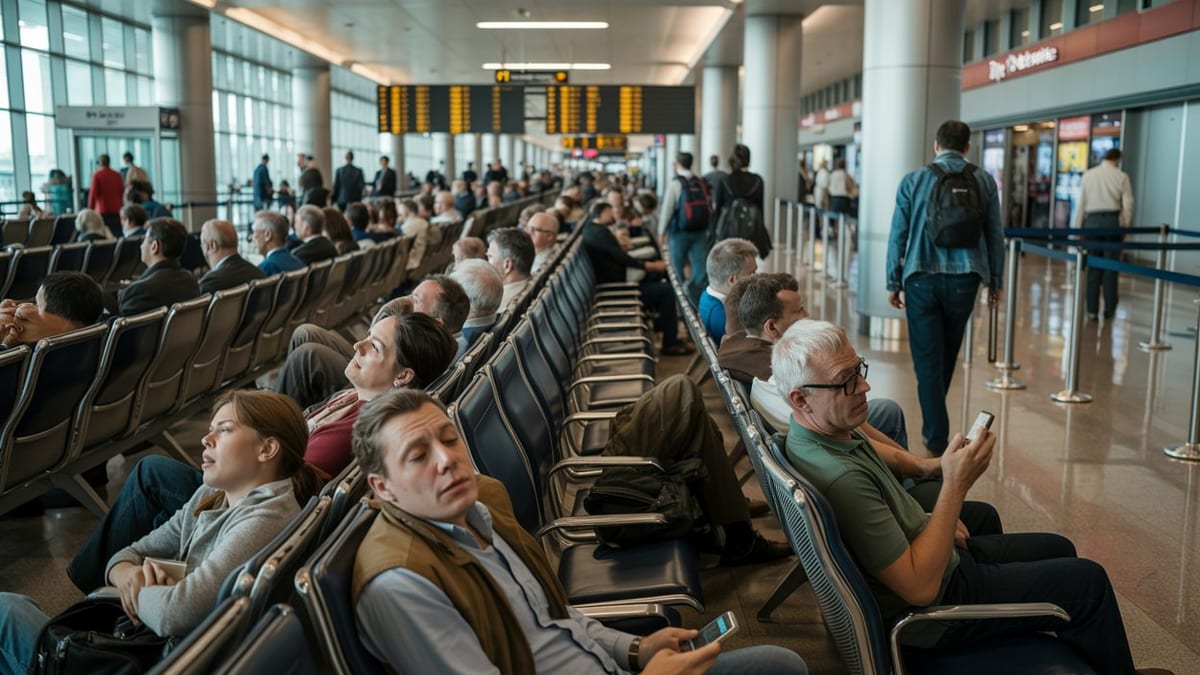
Image by Travel And Tour World
Major UK Airports See Wave of Same-Day Cancellations
Published coverage and live departure boards on March 29 indicate that London Heathrow, London Gatwick and several regional airports experienced a cluster of short-notice cancellations concentrated around morning and early afternoon departures. While the total number remained in the dozens rather than hundreds, the impact was magnified by the prominence of the airlines involved and the importance of the routes affected.
British Airways and Virgin Atlantic recorded a series of cancellations on long-haul services linking the UK with North America and the Gulf region, including flights bound for San Francisco, Los Angeles and Riyadh. In parallel, Gulf Air’s links into the UK were disrupted on select rotations, contributing to reduced connectivity between Britain and key hubs in Saudi Arabia and Bahrain.
Operational data available to travellers showed that the disruption was not limited to long-haul traffic. Short-haul specialists easyJet and Ryanair each removed multiple departures from the schedule, creating issues for passengers heading to European cities such as Berlin, Copenhagen and Istanbul, as well as for those travelling on busy domestic sectors like Edinburgh.
The cancellations came on a day when UK airports were already handling elevated late-March leisure and business traffic. As a result, even a modest number of withdrawn flights translated into crowded customer service desks, stretched call centres and increased pressure on remaining services.
Routes to Riyadh, San Francisco, Los Angeles and Berlin Among Those Affected
Information from airline schedules and airport status pages shows that the disruption cut across a wide geographic footprint. On the long-haul side, flights between London and major West Coast gateways such as San Francisco and Los Angeles were among those cancelled, temporarily shrinking capacity on routes that typically carry a mix of business travellers, technology workers and high-yield leisure passengers.
In the Gulf region, links to Riyadh and other Saudi Arabian destinations were particularly exposed. Gulf Air, alongside UK-based carriers, has been part of the broader reshaping of services to and from the Middle East amid heightened geopolitical tensions and evolving airspace restrictions, and the latest cancellations added further uncertainty for passengers planning trips to Riyadh and Medina.
European networks also felt the strain. Passengers booked on flights to Berlin and Copenhagen reported seeing their services marked as cancelled or removed from online timetables, with some being rebooked onto later departures or routed via alternative hubs. Low-cost operators easyJet and Ryanair, which normally provide dense frequencies on these city pairs, still left noticeable gaps in the schedule when multiple flights on the same route were withdrawn.
Regional connectivity suffered too, particularly on domestic routes. Edinburgh, a key link in the UK’s internal air network for both business travellers and tourists, saw at least one rotation cut from the timetable, forcing some passengers to consider rail alternatives or overnight stays while they waited for available seats on later flights.
Operational Pressures and Middle East Tensions Drive Disruption
While airlines did not immediately present a single overarching explanation, publicly available information points to a combination of factors behind the cancellations. Industry reporting in recent weeks has highlighted continuing pressure on crew availability, aircraft positioning and maintenance slots across several UK and European carriers as they rebuild capacity for the northern summer season.
At the same time, the broader backdrop of instability affecting parts of the Gulf region has already prompted carriers including British Airways, Virgin Atlantic and Gulf Air to review schedules, reroute certain flights and, in some cases, reduce frequencies. Adjustments to routings around sensitive airspace can lengthen flight times, complicate aircraft rotation plans and leave less flexibility when disruptions occur elsewhere in the network.
Airports and airlines have also been managing persistent congestion in European upper airspace, which can lead to knock-on delays. When tight turnaround times cannot be maintained, operators sometimes consolidate lightly booked services or cancel individual rotations to reset schedules. In such circumstances, carriers typically prioritise maintaining core trunk routes, which can lead to the cancellation of off-peak or less profitable flights.
Analysts monitoring the sector note that this pattern of targeted, multi-airline cancellations has become more common in the post-pandemic period, as carriers balance the need to operate fuller flights with the reality of higher fuel costs, staffing constraints and increased geopolitical risk in certain regions.
Knock-On Effects for Travellers Across Europe and the Middle East
The immediate effect for travellers was a spike in last-minute itinerary changes. Passengers heading from the UK to long-haul destinations such as San Francisco and Los Angeles reported being reaccommodated on later departures, rerouted via European hubs, or advised to travel the following day when capacity allowed. For some, the loss of nonstop services meant longer total journey times and tighter connections.
Those bound for Middle Eastern destinations, including Riyadh and Medina, faced similar challenges. With several international airlines having already adjusted or suspended certain Gulf routes in recent weeks, alternatives were more limited than usual. Some travellers opted to connect via Istanbul, which has become a major diversion hub as carriers look to route around affected airspace while preserving access to onward networks in Asia and Africa.
On European and domestic routes, the cancellations weighed heavily on short-stay leisure trips and weekend business travel. Passengers due to fly to Berlin or Copenhagen for brief visits found that same-day alternatives were often fully booked, particularly on budget carriers. In the UK, those travelling between London and Edinburgh encountered higher-than-normal demand on remaining flights, as well as increased interest in rail services.
Consumer advocates observing the situation pointed to the importance of understanding rebooking and compensation rules in different jurisdictions. Travellers on UK and EU carriers whose flights depart from UK or EU airports are often covered by specific regulations on refunds, rerouting and care provisions, although eligibility can vary depending on the cause of the disruption and the precise routing involved.
Airlines Adjust Schedules as Summer Travel Season Nears
The latest round of cancellations comes as airlines across Europe finalise schedules for the summer peak, which traditionally begins in late March with the shift to the northern summer timetable. Carriers including British Airways, Virgin Atlantic, easyJet and Ryanair have been fine-tuning capacity on both long-haul and short-haul networks in response to booking trends and evolving operational constraints.
Industry observers note that airlines are increasingly willing to trim individual rotations or entire frequencies early, rather than risk widespread same-day disruption during peak holiday periods. The cancellations seen across UK airports on March 29 fit into that broader pattern of proactive capacity management, even if the timing remained highly disruptive for passengers affected on the day.
Published data on route changes over the past month shows a particular focus on services touching the Gulf and wider Middle East, as well as selective adjustments on transatlantic routes. At the same time, low-cost carriers have been reshaping European schedules, reducing weaker off-peak flights while preserving core city-pair frequencies on days of highest demand.
Travellers planning spring and early summer trips are being encouraged by travel experts and consumer groups to monitor bookings closely in the days leading up to departure, make use of airlines’ mobile apps and alert tools, and consider building additional buffer time into itineraries that rely on tight connections via UK hubs.