

More news on this day
UK holidaymakers and business travellers are set to pay more for tickets from April 2026, as a fresh increase in Air Passenger Duty pushes up the cost of every flight departing the country.
Get the latest news straight to your inbox!
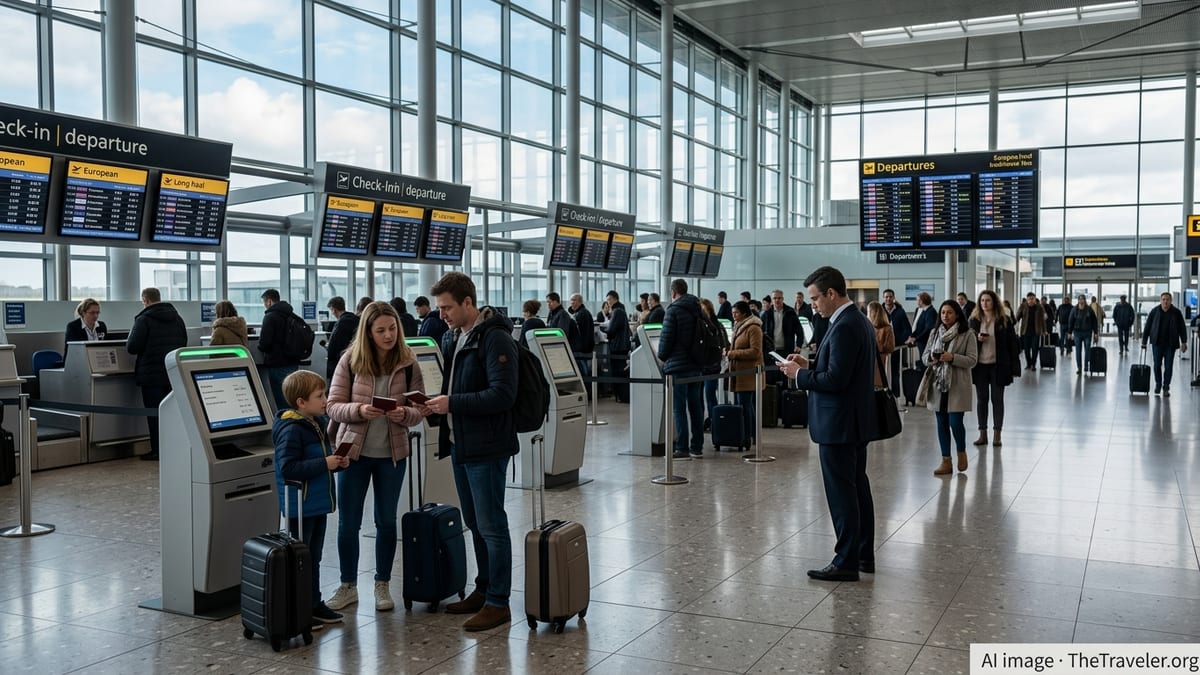
New Tax Year, Higher Departure Charges
The UK’s Air Passenger Duty, a tax levied on passengers leaving UK airports, will rise again for the 2026 to 2027 tax year, adding a further layer of cost to fares that have already climbed in recent years. Government documents on the 2026 rates show increases across all distance bands and cabin types, with most bands rising by around the forecast rate of retail price inflation.
The changes take effect for departures on or after 1 April 2026 and apply to all qualifying commercial flights leaving UK airports. Airlines collect the tax within the total ticket price, so travellers will not see Air Passenger Duty as a separate charge unless they examine the detailed fare breakdown during booking.
For many passengers, the increase will come on top of higher base fares driven by fuel, labour and airport cost pressures. Budget coverage and specialist travel analysis note that UK aviation taxes are now on an upward path spanning at least three consecutive years, from April 2025 through to 2027, making departures from the UK steadily more expensive.
Analysts also point out that the new round of rises coincides with continuing recovery in air travel volumes. Official forecasts discussed by the Office for Budget Responsibility indicate that receipts from Air Passenger Duty are expected to exceed pre‑pandemic levels by 2026–27, reflecting both the return of demand and the higher duty rates.
How Much More UK Travellers Will Pay
The precise increase each traveller faces in 2026 depends on cabin, distance and aircraft type. Domestic flights within the UK, which were restructured into their own band in recent years, will see a relatively modest rise. Consumer tax guides and personal finance coverage suggest that the extra cost on many short haul economy tickets will be around 2 pounds per person from April 2026, with a slightly higher uplift for premium cabins.
On Band A routes, covering short haul destinations up to 2,000 miles from London such as most of Europe, the duty for a standard economy seat is scheduled to move from the mid‑teens in 2025–26 to the mid‑teens plus a small inflationary step in 2026–27. For travellers seated in premium economy, business or first, the standard rate will increase by a few pounds more, adding to already higher cabin premiums.
The biggest absolute jumps will fall on longer routes in Bands B and C, covering flights from the UK to North America, much of Asia and Australasia. Recent travel industry commentary highlights that Air Passenger Duty on some long haul economy tickets in 2025 already exceeds 100 pounds per passenger, with premium cabins charged at roughly two to three times that level. From April 2026, those figures move higher again in line with the forecast inflation uplift set out in the latest Finance Bill.
Private jet and other high‑end business aviation flights face sharper increases still. A separate government consultation response on reforming Air Passenger Duty for private jets confirms that the higher rate of the tax, which applies to aircraft above certain weight and seating thresholds, will rise by more than the standard bands, with an additional 50 percent increase built into the 2026–27 schedule for some categories. That pushes per‑passenger departure charges on certain long haul private flights above 1,000 pounds.
Why the Government Is Raising Air Passenger Duty
Publicly available budget documents describe Air Passenger Duty as both a revenue‑raising tool and a policy lever within the UK’s climate and transport strategy. The tax, introduced in the 1990s, has been repeatedly adjusted over time, with significant structural changes in 2015 and more recently as policymakers sought to balance regional connectivity with environmental and fiscal goals.
Recent analyses from fiscal watchdogs and climate policy research groups note that the latest increases are part of a broader trend toward using targeted levies on flying to curb emissions growth and secure funding for public finances strained by the pandemic and subsequent support measures. The 2024 and 2025 budgets each confirmed above‑inflation or stepped rises for certain bands, followed by the inflation‑linked uplift now set for April 2026.
At the same time, the government has maintained lower charges for domestic flights and short haul economy travel compared with long haul and premium cabins. Policy papers characterise this as an attempt to protect everyday travel and regional links while placing a proportionally greater burden on journeys that create more emissions per passenger and are more likely to be discretionary or higher income.
The consultation on private jet taxation, concluded in late 2025, further underlined this direction. In that process, officials examined evidence that emissions per passenger on many business aviation flights are many times higher than on commercial services. The resulting decision to impose steep duty increases on private jet departures from 2026 reflects a desire to differentiate more clearly between mass transport and luxury flying in the tax system.
Impact on Holiday Budgets and Booking Strategies
For families planning 2026 holidays, the headline increases may appear small on a single ticket but can add up quickly across multiple travellers and connecting flights. Consumer travel coverage has already highlighted that a couple with two children flying from the UK to popular long haul leisure destinations such as Florida or Southeast Asia can see total departure taxes running to several hundred pounds, once both legs and cabin choices are factored in.
Because Air Passenger Duty applies to flights departing the UK, one of the most visible effects is the way it skews pricing for journeys that start or finish elsewhere. Travel writers and frequent flyer communities increasingly point to so‑called “ex‑EU” itineraries, where passengers begin long haul trips from continental hubs such as Amsterdam, Dublin or Madrid, sometimes saving significant sums by avoiding UK long haul departure charges altogether.
The tax is also paid on award and frequent flyer redemption tickets, even where passengers have covered the base fare entirely with points or miles. As duty rates rise, reports from loyalty programme watchers indicate that the cash element of reward bookings originating in the UK has become a growing share of the total cost, particularly for premium cabins to North America and Asia.
Budget‑conscious travellers looking ahead to 2026 are being advised by consumer organisations and travel finance commentators to monitor total fare breakdowns rather than headline base prices, to consider departing from lower‑tax European hubs when feasible, and to factor the higher duty into decisions about cabin upgrades on outbound legs from the UK.
Competitive Pressures and Regional Travel Shifts
The latest UK increases arrive at a time when aviation taxes across Europe are diverging. Recent reporting from travel trade outlets notes that while France and the UK have raised aviation levies, countries such as Spain, Greece and Italy have kept theirs broadly unchanged, and Germany has signalled plans to reverse part of an earlier hike.
Industry analysts suggest that this widening tax gap could influence route planning and hub competition over the next few years. Airlines may find it more attractive to grow connecting traffic through airports where departure taxes are lower, particularly for price‑sensitive leisure markets. For travellers in the UK’s south east, abundant short haul links to near‑by hubs give them more scope to route long haul journeys via continental Europe rather than paying the full UK long haul duty.
Within the UK, the rise in Air Passenger Duty interacts with longer‑term debates over airport capacity and regional balance. With the government reaffirming support in early 2025 for expanding Heathrow, campaigners and policy commentators continue to argue over whether higher aviation taxes are compatible with ambitions to grow passenger numbers at major London airports.
In Scotland and Wales, discussions about devolving or reforming departure taxes remain on the agenda. The timing of any replacement levy for Air Passenger Duty in Scotland has been repeatedly delayed, leaving airlines and passengers operating under the UK‑wide system for now. Any future divergence in rates or structure could further complicate the picture for travellers choosing where to start their journeys.