

More news on this day
Rising geopolitical tensions around the Iran conflict, including drone strikes on British military facilities in Cyprus and heightened military deployments across the Eastern Mediterranean, are prompting fresh questions over the safety and practicality of UK summer holidays in Turkey, Cyprus and Greece.
Get the latest news straight to your inbox!
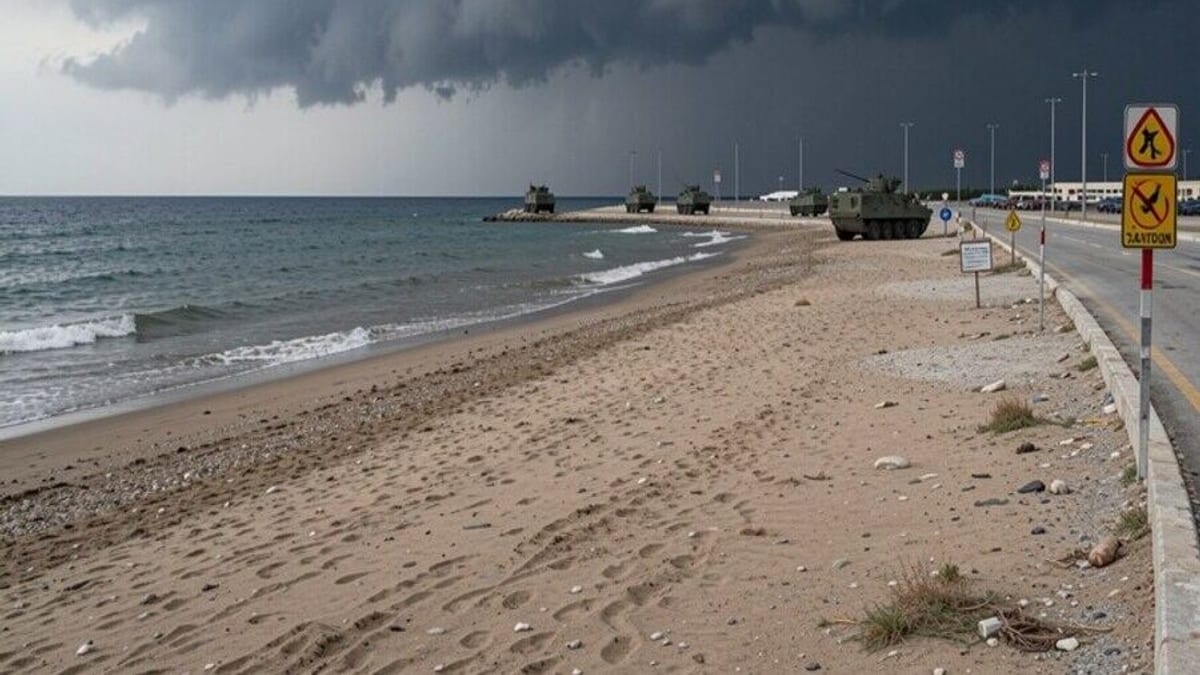
Image by Global Travel Alerts, Advisories, International Travel Alerts
Drone Strikes In Cyprus Push Security Fears Into Spotlight
Publicly available information shows that concern among UK travellers intensified after Iranian-made drones struck facilities at RAF Akrotiri, a British base on Cyprus’s southern coast, on March 1 and 2. The attacks formed part of a wider confrontation linked to the Iran war and underscored Cyprus’s role as a strategic forward base for UK and allied operations in the region.
Reports indicate that the strikes damaged infrastructure at the base but did not trigger a broader security emergency for the civilian population. However, the fact that a European Union member state hosting British sovereign bases was directly targeted has pushed Cyprus higher up the risk calculations of tour operators and holidaymakers who had previously viewed the island as a relatively insulated beach destination.
Analysis in European and Cypriot media notes that the incident has reopened long-running debates over the status of Britain’s sovereign base areas at Akrotiri and Dhekelia. Commentators in Nicosia argue that the bases have become potential targets in a conflict that originates far beyond the island, while tourism businesses are warning that even a perception of instability can chill forward bookings at the start of the crucial summer sales window.
Travel forums and industry briefings suggest a noticeable uptick in UK travellers questioning whether to postpone or divert Cyprus trips booked for spring and early summer. While many on-the-ground reports describe daily life on the island continuing largely as normal, the combination of headlines about drone attacks and images of additional military assets arriving has created an atmosphere of uncertainty that the tourism sector is struggling to counter.
Foreign Travel Advice Tightens As Risk Profile Shifts
In the weeks following the strikes, foreign travel advisories from Western governments have been updated to reflect a more volatile security environment across the Eastern Mediterranean. According to published coverage of these advisories, Cyprus is now framed as a location where terrorist attacks and spillover from regional conflict cannot be ruled out, even though there is no suggestion of imminent, widespread danger to tourists outside sensitive military facilities.
Parallel guidance for Turkey continues to highlight pre-existing risks, including terrorism, political tensions and localised security operations, particularly in border regions and parts of the southeast. These warnings have been in place for years, but analysts note that the current Iran-related crisis and broader instability in the Levant have sharpened concerns about potential attacks on Western interests and crowded public places in major cities and resort hubs.
Greece, by contrast, is not directly implicated in the conflict but features repeatedly in European policy documents as a frontline state exposed to knock-on effects from Middle Eastern upheaval. Advisories point to the possibility of demonstrations, port disruptions or cyber incidents affecting transport and energy infrastructure, especially if tensions escalate further. Travellers are urged to remain vigilant in urban centres and to monitor local developments closely.
Security consultants quoted in public reports recommend that UK travellers now pay closer attention to the fine print of official guidance, including sections on terrorism, regional conflict and military activity. They also advise checking whether travel insurance covers war-related disruption, diversions or airspace closures, which have become more plausible scenarios as the crisis deepens.
Eastern Mediterranean Military Build-Up Adds To Holiday Jitters
The drone attacks were followed by a visible build-up of military assets across the Eastern Mediterranean. Open-source defence tracking shows that the UK and several European allies have deployed additional aircraft and naval vessels to waters around Cyprus, describing these moves as precautionary steps to protect forces and ensure freedom of navigation.
Reports from Greek and Cypriot outlets highlight that Turkey has also repositioned jets to northern Cyprus, citing the need to guard against potential Iranian threats. At the same time, Greece has been coordinating closely with European partners on contingency planning, while nearby states such as Egypt publicly stress diplomatic efforts to contain the conflict and avert a wider regional war.
For tourists, the result is a highly unusual visual backdrop to a beach holiday: warplanes overhead, warships on the horizon and regular news of military exercises or deployments. While travel bloggers and local business owners in popular resorts insist that the atmosphere on the ground remains calm, specialists warn that an incident involving miscalculation or stray projectiles could have rapid implications for commercial aviation and tourism flows.
Industry observers also point to the psychological impact of the current crisis. Many UK travellers still remember airspace disruptions and emergency repatriations during previous Middle East flare-ups. The idea that Cyprus now hosts military facilities directly involved in sorties connected to the Iran war, combined with heightened rhetoric from Tehran and its allies, has made some families and older travellers more cautious about committing to non-refundable summer packages.
UK Holidaymakers Confront Insurance Gaps And Rising Costs
Beyond immediate security fears, the conflict’s economic effects are creating new headaches for UK holidaymakers eyeing Turkey, Greece and Cyprus. Aviation and financial reports show that jet fuel prices have soared since the outbreak of hostilities in the Gulf, putting pressure on European airlines already operating on thin margins. At least one major low-cost carrier with a strong Mediterranean network has warned of significant fuel cost volatility heading into the summer season.
Travel analysts say airlines may respond with higher fares, tighter capacity or last-minute schedule changes, particularly on routes into the Eastern Mediterranean. If shipping lanes or air corridors around the Suez Canal and Red Sea are disrupted further, detours could add flight time and expense, making some packages less attractive compared with destinations in western Europe or the Atlantic.
At the same time, security advisories and the classification of certain risks as war-related mean that not all travel insurance policies will respond equally to disruption. Specialist advisories circulated in early March urge travellers to review policy documents carefully to see whether cancellations due to regional conflict, government warnings or airport closures are covered, and to consider enhanced cover if they plan to travel near potential flashpoints such as Cyprus.
UK travel agents report, in public-facing commentary, a growing number of clients asking about flexible booking conditions, fee-free date changes and the ability to switch destinations if the situation deteriorates. The shift suggests that travellers are not abandoning holidays altogether but are seeking greater control over their exposure to fast-changing geopolitical risks.
Tourism Industry Weighs Contingency Plans And Alternative Destinations
The tourism industries of Turkey, Greece and Cyprus entered 2026 expecting another strong year, with some large European tour operators citing the three countries among their top-selling summer destinations. The escalation of conflict in the wider Middle East has not yet translated into mass cancellations, but booking patterns are reportedly becoming more erratic, with some UK travellers delaying decisions until closer to departure dates.
Analysts note that, paradoxically, parts of southern Europe may still benefit from travellers redirecting trips away from more directly affected areas in the Gulf and Levant. Reports from recent tourism fairs suggest that Turkey, in particular, is being marketed as an alternative to destinations further east, although the current crisis has complicated that message by casting a wider shadow over the Eastern Mediterranean as a whole.
Cyprus faces a more delicate balancing act. Tourism boards and local business groups are keen to reassure visitors that the island remains peaceful, while acknowledging that the presence of British sovereign bases has thrust it into global headlines about the Iran conflict. The reliance of the Cypriot economy on tourism, especially from the UK market, means even a modest dip in arrivals over the peak summer months could have noticeable economic repercussions.
For Greece, the main risk currently lies in potential transport disruptions and the broader European economic fallout from prolonged instability and higher energy prices. Greek islands remain among the most sought-after summer destinations for UK travellers, but operators are preparing contingency plans that include rerouting aircraft, adjusting ferry schedules and promoting less crowded or more westerly islands if demand shifts.
Travel experts emphasise that, at this stage, most package holidays to Turkey, Greece and Cyprus are still operating, and many resorts report business as usual. However, the combination of direct military activity in Cyprus, a regional conflict with uncertain endgame, and a tightening insurance and aviation environment means UK tourists planning summer 2026 trips are being urged to rethink not only where they travel but how prepared they are for sudden change.