

More news on this day
Escalating tensions linked to the Iran conflict, recent drone strikes on British facilities in Cyprus and a visible military build-up across the eastern Mediterranean are sharpening security concerns for UK holidaymakers considering summer trips to Turkey, Cyprus and Greece.
Get the latest news straight to your inbox!
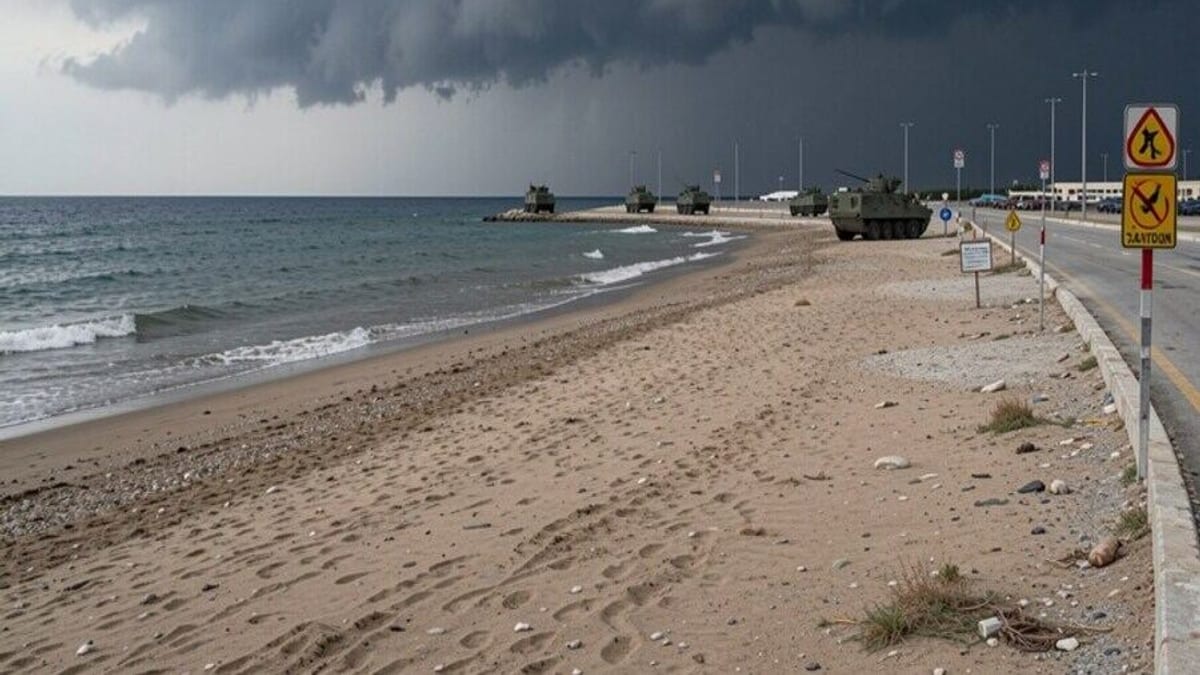
Image by Latest International / Global Travel News, Breaking World Travel News
Travel advisories under fresh scrutiny
Publicly available UK government guidance has become a key reference point for travelers weighing whether to proceed with bookings. While the Foreign, Commonwealth and Development Office has not issued blanket bans on leisure travel to Turkey, Cyprus or Greece, advisories now place greater emphasis on the potential for regional spillover from the Iran war and the risk of terrorism and missile or drone activity affecting military targets and critical infrastructure.
Coverage of recent updates to the Turkey section notes particular concern for the south and southeast of the country, nearer to the Syrian and Iraqi borders, where the threat of cross-border attacks and terrorism is rated higher than in major resort areas on the Aegean and Mediterranean coasts. Separate analysis aimed at American travelers mirrors this pattern, pointing to stricter guidance for southeastern Turkey while still describing core tourism hubs such as Antalya, Bodrum and Istanbul as accessible with heightened awareness.
In Greece, open-source advisories remain comparatively steady, with no broad warnings against travel but continued reminders about the possibility of demonstrations in major cities and the residual risk of wildfires during peak summer months. Greece’s position further west in the Mediterranean and outside the immediate range of recent strikes has so far translated into more moderate risk messaging, even as airlines and tour operators quietly monitor flight paths and contingency plans.
Cyprus sits in a more complex category. It is still listed as open to tourism, but published guidance now flags the presence of British sovereign base areas and the possibility that these facilities could attract attention in a wider regional confrontation. That nuance is increasingly visible in media coverage aimed at UK travelers, which encourages a distinction between the island’s civilian resorts and nearby military infrastructure.
Drone strikes and military build-up reshape perceptions
Perceptions of Cyprus shifted markedly after early March, when widely reported Iranian-made drones struck facilities at the RAF Akrotiri base on the island’s southern coast, damaging infrastructure and underscoring how the Iran conflict has radiated into the eastern Mediterranean. Subsequent analysis in international outlets described the incident as the first direct foreign attack on Cypriot territory since the 1974 invasion, highlighting its symbolic weight as well as its practical security implications.
Follow-up reporting indicates that the United Kingdom, Greece and France have moved additional naval and air assets to the region in response, positioning warships and aircraft closer to Cyprus and the Levant. British briefings about allowing limited use of the bases in support of US operations against Iranian missile sites have reinforced the perception that Cyprus is now a frontline logistical hub, even if daily life in civilian areas continues largely as normal.
Tourism analysts note that images of warships off the Cypriot coast and repeated references to Akrotiri in global coverage have an outsized psychological effect on prospective visitors, especially those unfamiliar with the geography of the island. Industry commentary suggests that some UK families are postponing or redirecting holidays out of caution, even where formal travel advisories have not reached the level that would trigger automatic cancellations or insurance payouts.
In Turkey, reports of heightened military readiness and occasional interceptions of missiles or drones over regional airspace have a similar reputational impact, despite the fact that popular Aegean and Mediterranean resorts remain far from conflict zones. Travel forums and consumer segments of the British press show growing interest in whether flights might be rerouted or disrupted if airspace restrictions widen as the summer progresses.
Cyprus tourism feels the sharpest shock
Among the three destinations, Cyprus appears most directly exposed to the immediate fallout from the Iran conflict. Commentary in European and Cypriot media describes tourism officials grappling with a sudden wave of questions from tour operators and airlines after the Akrotiri strike, as travelers seek clarity on siren alerts, overflight risks and contingency plans in the event of further attacks on military infrastructure.
Reports indicate that some hotels near the bases experienced short-term cancellations from UK and northern European guests in the days following the incident, particularly among visitors with young children. However, bookings for popular resort towns farther from the military installations have so far proved more resilient, suggesting that seasoned travelers distinguish between the sovereign base areas and the rest of the island.
Cyprus also faces a perception challenge rooted in its geography. As the nearest European Union member state to the Middle East, it features prominently in maps and diagrams illustrating potential missile and drone ranges. While experts cited in public analysis stress that any further attacks are likely to focus on strategic military assets rather than tourist areas, the visibility of the island in conflict coverage has made some UK travelers more cautious.
Local businesses are responding by emphasizing flexible booking policies, closer coordination with airlines and efforts to reassure visitors about on-the-ground security, including civil protection planning for rare but high-impact scenarios. Travel trade sources say the next two months of bookings will be critical in determining whether Cyprus faces a temporary dip or a more sustained downturn from its core UK market.
Turkey and Greece balance risk and resilience
Turkey enters the 2026 summer season with both elevated strategic risk and enduring tourism appeal. The country’s proximity to conflict zones, internal political tensions and occasional restrictions on protests in cities like Istanbul sit alongside record visitor numbers in recent years and a powerful value proposition for European travelers. Published advisories continue to draw a distinction between higher-risk border provinces and mainstream holiday regions, urging visitors to stay away from demonstrations and to follow local security developments closely.
Recent think-tank and media analysis notes that Turkey’s large tourism economy gives the government a strong incentive to contain instability in resort areas and ensure continuity of air links with key markets such as the United Kingdom, Germany and Russia. Industry observers expect UK package holidays to the Turquoise Coast to remain popular, though late-booking patterns may become more pronounced as travelers wait to see how the regional situation evolves.
Greece, by contrast, is benefiting from its position slightly further from the immediate theater of the Iran conflict. Travel coverage suggests that, for now, Greece is perceived as a relatively safer eastern Mediterranean option for risk-averse UK travelers weighing alternatives to Turkey or Cyprus. At the same time, memories of recent wildfire seasons and sporadic political demonstrations in Athens and Thessaloniki ensure that Greece is not entirely free of security and disruption concerns.
Tourism strategists highlight that both Turkey and Greece are experienced in managing periods of volatility, from financial crises to refugee movements. Airlines serving Greek islands and Turkish coastal airports have well-practiced contingency plans, including rerouting around affected airspace and coordinating with European aviation authorities if tensions escalate.
What UK travelers are being urged to consider
Consumer-facing travel advice in British media now stresses a more granular approach to risk assessment. Rather than treating Turkey, Cyprus and Greece as homogeneous destinations, travelers are encouraged to examine specific regions, proximity to military installations, and the potential for airspace disruption. This includes checking airline policies on rerouting, understanding how package tour protections work if government advice changes, and monitoring insurance exclusions related to war and terrorism.
Commentary also underlines the importance of following real-time updates from official channels in the weeks before departure, as the security picture linked to the Iran conflict remains fluid. UK travelers are being reminded that advisories can change quickly, which can in turn affect refund rights and the willingness of airlines and tour operators to operate scheduled services to certain airports.
For now, the prevailing message from publicly available information is not an outright call to abandon summer plans in Turkey, Cyprus or Greece, but a recommendation to approach bookings with greater flexibility and awareness. Open-source assessments suggest that the greatest direct risk relates to military targets and strategic infrastructure rather than tourist resorts, yet the indirect effects on flights, confidence and overall trip experience are very much part of the equation for UK holidaymakers.
As the peak season approaches, the eastern Mediterranean’s tourism fortunes will depend heavily on whether regional tensions ease, remain contained or deteriorate further. UK travelers weighing where to spend their summer are finding that geopolitical maps matter almost as much as beach photos when deciding between Turkey, Cyprus and Greece.