

More news on this day
British nationals planning trips to Nigeria are being urged to scrutinise their itineraries and security arrangements after the UK Foreign, Commonwealth and Development Office (FCDO) refreshed its travel advice to highlight an elevated Islamist terror threat in parts of the country.
Get the latest news straight to your inbox!
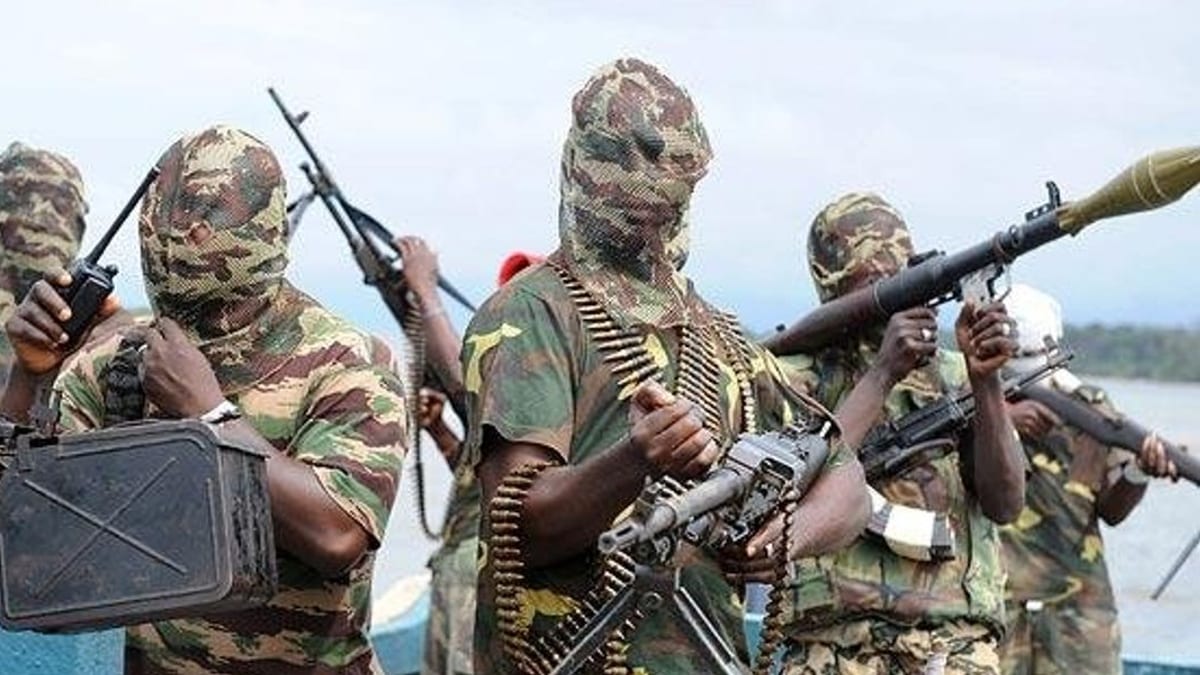
Image by gbnews.com
Foreign Office sharpens language on Islamist risk
Recent updates to publicly available FCDO travel advice reiterate that terrorism remains a persistent danger across Nigeria, with Islamist militant groups identified as a central concern. While the overall classification for the country has not shifted dramatically, the wording now places renewed emphasis on the potential for attacks against both locals and foreign visitors, including Britons.
The guidance points out that groups inspired by or aligned with Islamist ideologies continue to operate, particularly in the north and northeast, where long-running insurgencies have destabilised communities and strained security resources. This threat is described as unpredictable, with incidents capable of occurring without warning at locations frequented by civilians.
The update underlines that British nationals could be caught up in attacks even if they are not the intended targets. It advises anyone who chooses to travel to Nigeria to remain vigilant in crowded public places, transport hubs, markets, hotels and places of worship, and to keep abreast of local developments throughout their stay.
Travel industry coverage of the revised advisories notes that parts of Nigeria remain on informal “do not travel” watchlists for UK travellers, putting the country alongside other destinations where terrorism and violent crime are central factors in official risk assessments.
Recent attacks highlight volatile security landscape
The sharpened messaging follows a series of high-profile incidents that have drawn renewed attention to Nigeria’s security challenges. Reports compiled by international monitoring groups describe a pattern of deadly attacks in northern states, with Islamist militants linked to factions such as Boko Haram and Islamic State affiliates targeting both military positions and civilian communities.
In March 2026, coordinated bombings in the northeastern city of Maiduguri underscored the enduring reach of extremist networks. Human rights organisations documenting the blasts recorded dozens of deaths and scores of injuries after explosions struck a market area, roadside locations and the vicinity of a major teaching hospital. Analysts say such attacks demonstrate the capacity of militant cells to penetrate urban centres despite years of counterinsurgency operations.
Additional data from a recent edition of the Global Terrorism Index places Nigeria among the world’s most affected countries, noting a surge in terror-related fatalities and citing multiple large-scale assaults in the northeast over the past year. The report points to mass abductions, raids on rural communities and ambushes on security forces as continuing hallmarks of the conflict.
Security briefs circulated by risk consultancies also reference a wider pattern of armed violence, including banditry and kidnap-for-ransom activity, that often overlaps with or is exploited by Islamist factions. This fusion of criminal and ideological threats contributes to a complex risk picture that foreign visitors may find difficult to navigate without up-to-date information.
Implications for British travellers and expatriates
The Foreign Office advisory does not impose a blanket ban on travel to Nigeria, but it effectively urges Britons to treat many regions as high-risk, especially outside major commercial hubs where security is comparatively stronger. In practice, travel specialists say this means that non-essential leisure trips to remote or unstable areas are increasingly hard to justify.
For those who decide to travel regardless of the heightened warnings, the guidance recommends robust personal security planning. This includes arranging reliable airport transfers, avoiding unnecessary road journeys after dark, and considering secure transport and accommodation options vetted by reputable operators. Travellers are also encouraged to register their presence with trusted contacts and to share detailed itineraries in advance.
British nationals already living or working in Nigeria are being urged by travel-risk analysts to revisit their contingency plans, including communication protocols, safe-room arrangements and evacuation routes. Employers with staff on the ground are reviewing duty-of-care policies to ensure that risk assessments take account of the latest terrorism data and the evolving threat from Islamist groups.
Travel insurers, meanwhile, continue to scrutinise policies involving destinations with elevated terror risks. Industry commentary suggests that some underwriters may limit cover in areas where the FCDO advises against all but essential travel, making it crucial for policyholders to confirm exactly what is and is not included before departure.
Nigerian government response and regional context
Nigerian officials have consistently highlighted ongoing military and law-enforcement operations against extremist networks, while also pushing back on suggestions that the country is being overwhelmed by Islamist militancy. Recent statements from senior figures in Abuja stress that security forces are conducting targeted operations in the northeast and northwest, and that cooperation with international partners remains a central part of the country’s counterterrorism strategy.
At the same time, local and international observers point out that the scale and geographic spread of violence present formidable challenges. Recent reporting on attacks in Borno State and surrounding areas notes that militants have exploited difficult terrain, porous borders and long-standing socio-economic grievances to entrench their presence.
Across West Africa, governments are grappling with similar concerns as Islamist movements and criminal groups adapt to pressure in one area by shifting operations to another. Academic research on regional security trends indicates that travel advisories by external partners, including the UK, often reflect not only immediate incident data but also longer-term assessments of how extremist networks may evolve.
For Nigeria, this means that the international perception of an elevated Islamist terror threat sits alongside efforts by the authorities to promote investment, tourism and cross-border trade. The resulting tension between security warnings and economic ambitions is now a central feature of policy debates within the country and across the wider region.
Practical steps for would-be visitors
Specialist travel-risk firms advising corporate and NGO clients suggest that any Briton contemplating a visit to Nigeria in the current climate should begin with a careful review of the latest FCDO advisory, paying close attention to state-by-state guidance. Mapping proposed routes against known hotspots for Islamist and other armed activity is regarded as an essential first step.
Prospective visitors are urged to consult multiple open sources, including reputable news outlets, security briefings and independent risk indexes, to understand how conditions vary between the commercial centres of the southwest, the oil-producing Niger Delta, the Middle Belt and the conflict-affected northern states. Many commentators emphasise that security can shift quickly, and that information more than a few weeks old may no longer reflect realities on the ground.
Travel planners also highlight the importance of cultural and situational awareness training for those travelling to higher-risk regions. This typically covers how to move discreetly, recognise unusual activity, and respond calmly if faced with checkpoints, protests or signs of an unfolding incident.
While the refreshed Foreign Office warning underscores the seriousness of the Islamist terror threat in Nigeria, it also serves as a reminder of the broader global trend toward more granular, risk-based advisories. For British travellers, the message is clear: thorough preparation, flexible planning and constant monitoring of developments are now indispensable parts of any journey to the country.