

More news on this day
The UK Foreign, Commonwealth and Development Office has updated its 2026 travel advice for Dubai and Turkey as the Iran war disrupts air routes and heightens regional security risks, prompting tougher warnings that could invalidate insurance and force last minute holiday changes.
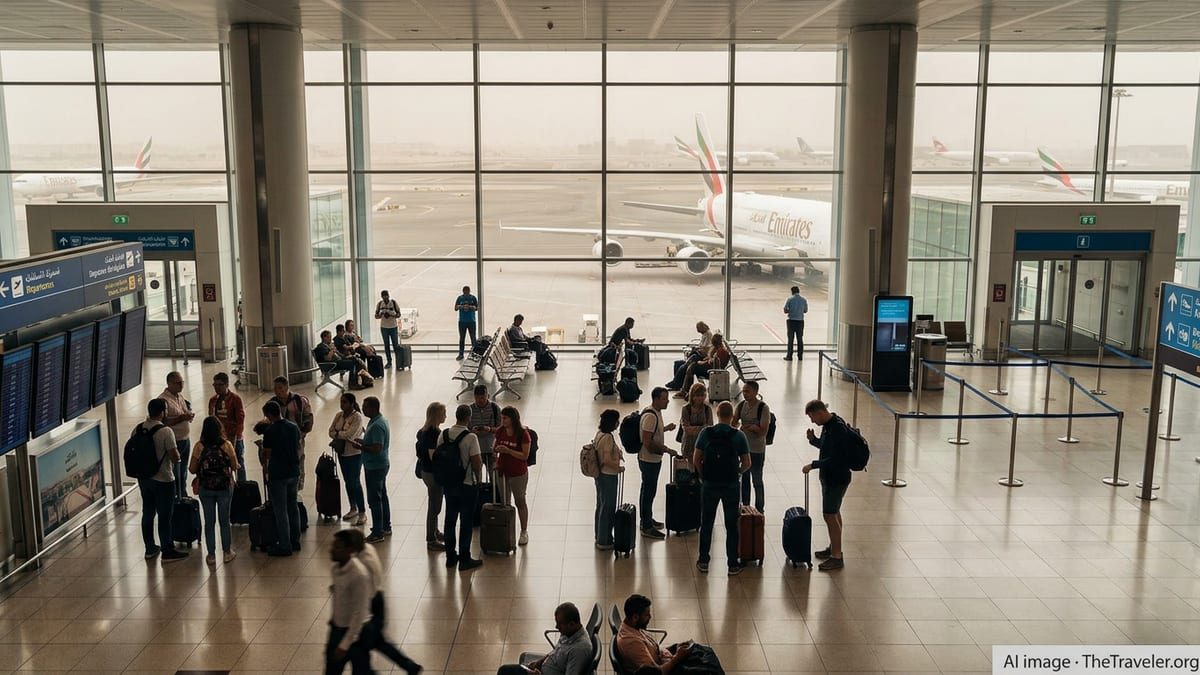
Foreign Office Tightens Advice as Iran War Widens
The escalation of conflict involving Iran since late February has rapidly reshaped official UK travel advice across the Middle East, with Dubai and Turkey now under much closer scrutiny. British officials have warned that airspace closures, missile and drone activity, and the potential for further regional escalation mean travellers should check guidance repeatedly in the days before departure.
For Dubai and the wider United Arab Emirates, the Foreign Office is currently advising against all but essential travel, a significant tightening compared with the routine security warnings that applied before the latest crisis. Although the UAE is not itself at war, it has been drawn into the conflict environment and has faced direct security incidents and severe disruption to flights.
Turkey has not been placed in the same highest risk category as Iran or parts of Iraq, but the Foreign Office has refreshed its detailed country briefing for March 2026, highlighting terrorism concerns, the proximity of some border regions to the Iran conflict and the possibility of sudden route and airport changes. Travellers are urged to pay particular attention to the regions they plan to visit and to avoid areas already subject to long standing no go advisories in the south east.
Officials stress that the situation remains fluid. Further updates are expected if the military or security picture changes, and British travellers are repeatedly being told that the authoritative source of information is the live Foreign Office travel advice, not airline schedules or social media updates.
Dubai: ‘Do Not Route Via UAE’ Becomes the New Reality
The sharpest practical impact for UK holidaymakers has been felt in Dubai, long one of the world’s busiest transit hubs. With the Foreign Office now advising against all but essential travel to the UAE, many British tour operators and insurers are treating Dubai as a no go routing point even when it is only a connection rather than a final destination.
Package firms have begun informing customers that they will no longer route trips through Dubai or other Gulf hubs where the advice is to avoid non essential travel, regardless of whether some flights are still operating. Travellers report being told they cannot use long booked itineraries via Dubai because doing so would breach Foreign Office advice and leave them without valid cover if something goes wrong.
At the same time, major airlines have reduced or suspended services linking the UK and Dubai because of airspace restrictions and operational uncertainty. While some flights continue, these are often limited, heavily overbooked and subject to last minute schedule changes as carriers attempt to avoid sensitive air corridors and coordinate with regional air traffic control.
For British nationals already in Dubai, the advice is to follow the instructions of local authorities, stay in close touch with airlines and register with UK consular services where possible. Travellers who can safely leave on commercial flights are being encouraged to do so, but are also warned to be prepared for delays or diversions as the situation evolves.
Turkey: Heightened Caution Rather Than Blanket Ban
While Dubai faces an effective stop sign for leisure routing, Turkey’s position in the latest UK travel updates is more nuanced. The Foreign Office’s March 2026 country briefing reiterates that there are specific provinces and border regions where it advises against all travel or all but essential travel, largely linked to terrorism and instability near Syria and Iraq.
However, the UK government has not extended that toughest category to Turkey’s main holiday destinations on the Aegean and Mediterranean coasts, nor to Istanbul. Instead, the advice emphasises the need for vigilance in crowded public places, around tourist attractions and at transport hubs, reflecting concerns about the possibility of terrorist attacks linked indirectly to the wider regional conflict.
Officials also flag the potential for disruption to flights that use Turkish airspace as carriers adjust routes around conflict zones to the east and south. Although Turkish airports remain open, changes to flight paths and schedules could have knock on effects for British travellers connecting through Istanbul or flying into popular coastal resorts.
Prospective visitors to Turkey are therefore being told to double check both their specific destination and their planned route. Those considering overland or multi country itineraries that pass close to the Syrian or Iraqi borders are being urged to rethink their plans or seek specialist advice before committing to travel.
Insurance, Airlines and What Travellers Should Do Now
The Foreign Office updates have immediate implications for travel insurance. Many UK policies state that cover will be limited or void if travellers go to a destination, or even transit through an airport, that the government advises against visiting. Insurers are now reminding customers that choosing to ignore the latest 2026 advice for the UAE or high risk parts of Turkey could leave them without protection for medical costs, cancellations or repatriation.
Travel companies are, in turn, reshaping their itineraries. Several tour operators have confirmed that they will not route customers through Dubai or other hubs covered by avoid travel warnings, even when this entails significant rerouting costs. Airlines continue to have discretion over whether they operate particular flights, but UK travellers are repeatedly being told that a scheduled departure is not the same as an official safety endorsement.
For holidaymakers and business travellers planning trips in spring and summer 2026, the message is to build flexibility into their arrangements. That includes booking changeable tickets where possible, checking Foreign Office country pages both when booking and shortly before departure, and speaking to insurers to confirm that any revised routing or destination remains fully covered.
With the Iran war still developing and the risk of further regional spillover far from resolved, UK officials are preparing for more short notice changes to their travel advice. For those with Dubai stopovers or Turkish beach breaks pencilled into their 2026 calendars, closely tracking official updates will be essential to avoid being stranded or uninsured abroad.