

More news on this day
British travellers have been urged to urgently reassess trips across the Middle East after the UK Foreign, Commonwealth & Development Office (FCDO) strengthened warnings for 13 states in response to the rapidly widening conflict between Israel, its allies and Iran.
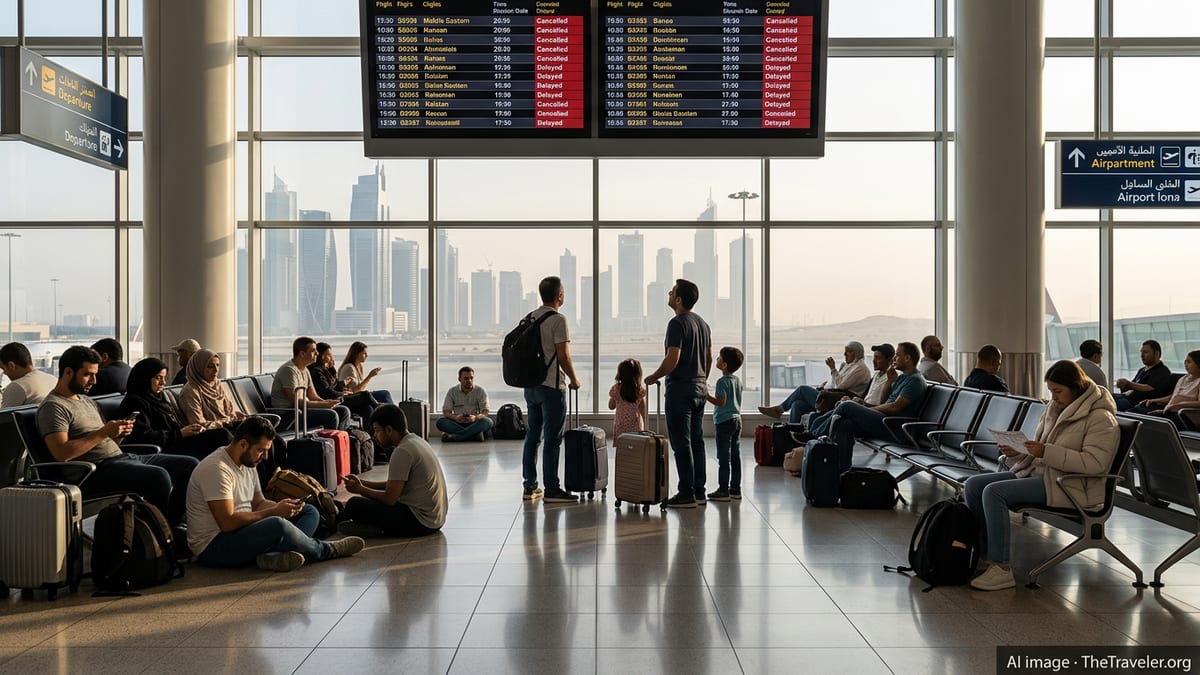
Escalating Conflict Triggers Sweeping FCDO Warnings
The latest FCDO travel advisories, updated in early March, follow a sharp deterioration in regional security since coordinated United States and Israeli strikes on Iran began on 28 February 2026. Subsequent missile and drone attacks, retaliatory strikes and cross border fire have expanded the conflict from Israel and Gaza into Gulf airspace and key energy and transport hubs.
In response, the FCDO has moved to its most severe levels of warning across much of the region. The highest risk areas remain Iran, Israel, Gaza and large parts of the West Bank, where the government already advised against all travel even before the latest escalation. Officials have now widened and toughened guidance for a further group of states, urging British nationals to leave where commercial flights remain available and to avoid non essential travel entirely elsewhere.
While travel advisories differ slightly by country, the pattern is clear: airspace disruptions, threats to civilian aviation, the risk of further missile attacks and the possibility of sudden border closures have combined to create what consular officials privately describe as the most volatile operating environment in the region in more than a decade.
For tour operators and airlines that had only cautiously rebuilt services after earlier phases of the Israel Gaza war, the new guidance represents a significant setback and a reminder that political risk remains a defining factor for travel across much of the Middle East.
Thirteen States Under Heightened UK Scrutiny
Although the FCDO does not publish a single grouped list under a “13 country” label, officials and airline risk teams point to a cluster of states now subject to the most stringent new warnings linked directly to the Iran conflict. These include Bahrain, Egypt, Iraq, Israel, Jordan, Kuwait, Lebanon, Oman, Qatar, Saudi Arabia, Syria, the United Arab Emirates and Yemen, many of which host key air corridors, energy infrastructure or foreign military bases.
In several of these countries, the FCDO is advising against all travel to border regions, areas near military installations or territories affected by active bombardment, and against all but essential travel elsewhere. In others, existing long running warnings about terrorism, civil unrest or kidnapping have been re framed against the backdrop of a wider regional war and the possibility of copycat or opportunistic attacks on Western targets.
Diplomatic sources say the clustering of these 13 states in UK and allied risk assessments reflects a combination of direct exposure to the conflict and their role as transit hubs. Gulf states such as the United Arab Emirates, Qatar and Bahrain, for example, are seeing intense pressure on airports and airlines, even where the immediate security threat is lower than in Israel or Iran. Neighbouring territories like Jordan and Lebanon are facing similar scrutiny because of their proximity to active fronts, refugee flows and cross border rocket fire.
For travellers, the practical effect is that large swathes of the Middle East now carry either a “do not travel” or “reconsider all but essential travel” style warning from major Western governments, complicating insurance coverage and making last minute plan changes increasingly likely.
Flight Cancellations, Closed Airspace and Stranded Holidaymakers
The most visible impact of the heightened warnings has been on aviation. Within hours of the first strikes on Iran, regional airspace closures rippled across the Gulf, with the United Arab Emirates, Saudi Arabia and other states temporarily suspending civilian overflights on several key routes. Long haul carriers rerouted aircraft away from Iranian and Iraqi airspace, stretching flight times between Europe and Asia and forcing mass schedule changes.
According to global flight tracking data, services in and out of major hubs such as Dubai, Abu Dhabi, Doha and Riyadh have been operating at sharply reduced levels since the weekend. Limited evacuation style flights have been permitted, but capacity has not kept pace with demand from holidaymakers, expatriate workers and business travellers attempting to leave the region before any further deterioration.
Airlines have been issuing rolling waivers, allowing passengers booked to or through affected cities to postpone or reroute their journeys without additional fees. However, conflicting advisories from different governments and the speed of the military escalation have left many travellers unsure whether to proceed with imminent trips or to abandon them entirely.
Travel insurers, meanwhile, are warning that once an FCDO advisory reaches a level of “advise against all but essential travel,” new policies will often exclude cancellation cover for those who decide to travel anyway, and may not respond to losses arising from war or civil commotion. For many British tourists with Easter and early summer bookings to the region, that creates a narrow window in which to cancel or switch destinations while retaining some financial protection.
British Nationals Told to Register and Prepare Contingency Plans
Beyond the headlines, the FCDO’s latest messaging has focused on practical steps for British nationals already in or transiting through the affected 13 states. Consular teams are encouraging travellers to register their presence through crisis portals, to monitor local media and official advice, and to maintain regular contact with family members at home in case communications networks are disrupted.
Officials stress that while charter or assisted departure flights may be arranged if commercial options collapse entirely, such operations are limited in scale and cannot be guaranteed for all. Travellers are therefore being urged to act early, rather than wait for a formal evacuation announcement that may come too late to secure seats.
Security specialists working with multinational companies advise staff to map out multiple exit routes, including overland options where borders remain open, and to maintain a “grab bag” of essentials such as travel documents, medication and emergency cash. In cities where protests or anti Western sentiment are expected to spike, employers are also reviewing curfews, work from home arrangements and the need to temporarily relocate non essential staff.
For independent travellers without corporate support, the emphasis is on flexibility: choosing refundable tickets where possible, remaining prepared to move hotels or even cities at short notice, and avoiding high profile tourist or diplomatic sites that could represent symbolic targets.
What the FCDO Advice Means for Future Middle East Travel
While the immediate focus is on keeping current visitors safe, the sweeping warnings for 13 states are also reshaping the outlook for travel to the Middle East over the coming months. Tour operators are bracing for a new wave of cancellations and rebookings, echoing previous downturns during earlier rounds of the Gaza war and other regional crises.
Industry analysts say demand is likely to pivot towards alternative winter sun and cultural destinations around the Mediterranean, North Africa and the Indian Ocean, at least until travellers perceive that missile and drone attacks have subsided and airspace has stabilised. Cruise lines with itineraries touching Gulf ports or the Red Sea are already revising schedules, substituting safer ports and adding extra sea days to keep ships away from potential flashpoints.
At the same time, some regional tourism boards are lobbying governments to calibrate warnings carefully, arguing that blanket advisories risk undermining areas that remain relatively calm. They point to previous episodes in which arrivals rebounded quickly once tensions eased and guidance was softened, suggesting that long term demand for destinations such as the United Arab Emirates, Oman and parts of Saudi Arabia could recover once the immediate conflict recedes.
For now, however, the FCDO’s severe warnings reflect a hardening consensus across Western capitals that the risk environment across at least 13 Middle Eastern states has fundamentally shifted. For British travellers, that means any trip to the region over the coming weeks will require far closer attention to official advice, insurance fine print and last minute operational changes than at any time in recent years.