

More news on this day
British tourists are being urged to abandon travel plans to Dubai and brace for disruption if already in the emirate, as the UK government escalates its travel warning in response to missile strikes, airspace closures and a fast-moving regional conflict across the Gulf.
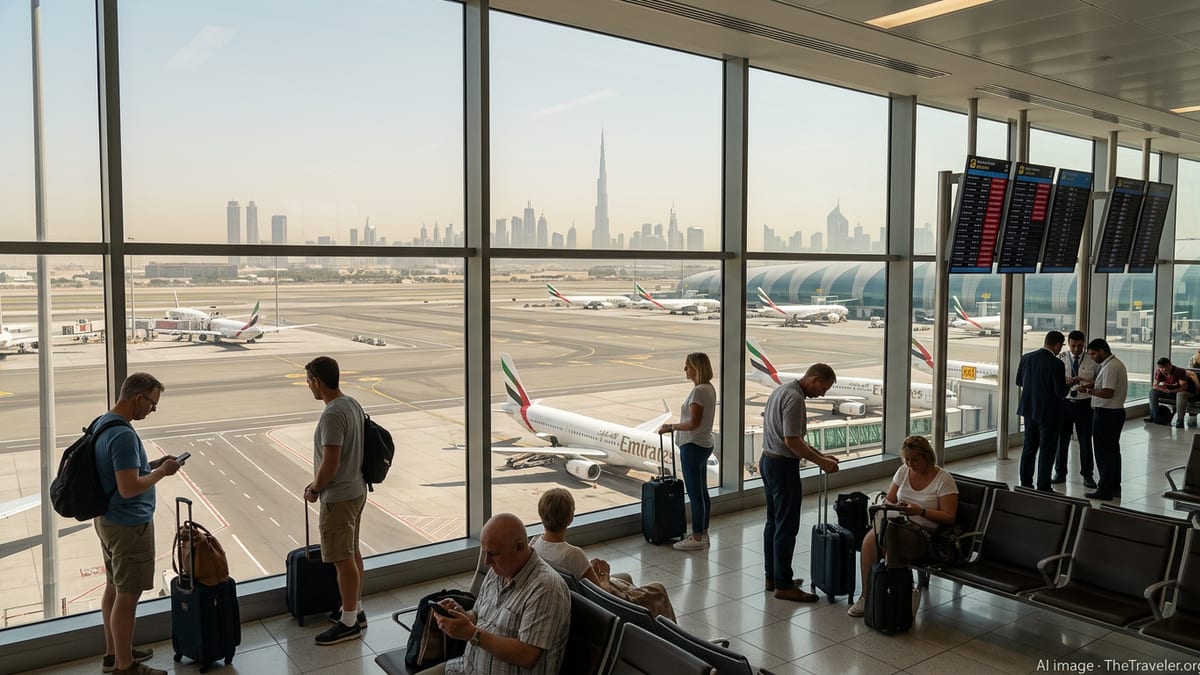
Foreign Office Raises UAE to Highest Alert Level
The UK Foreign, Commonwealth and Development Office has moved its advice on the United Arab Emirates, including Dubai and Abu Dhabi, to the toughest tier, warning against all travel as regional tensions linked to Iran spill across the Gulf. The shift follows several days of missile and drone attacks that have hit targets in and around major Emirati cities, shattering Dubai’s reputation as a reliably safe winter-sun destination.
Updated guidance issued in late February and reinforced on 2 and 3 March states that British nationals in the UAE should immediately shelter in place, remain indoors in a secure location, avoid all travel and follow instructions from local authorities. Officials cite “regional escalation” and “reported missile attacks” as the driving factors, stressing that the security situation can deteriorate with little or no warning.
Foreign Secretary Yvette Cooper has underlined that the safety of British nationals in the Middle East and Gulf is the government’s top priority, pointing to a 24-hour crisis centre and a registration system designed to keep citizens informed as the situation develops. With hundreds of thousands of UK nationals either resident in or visiting the wider region, the scale of the advisory is unprecedented in recent years.
Airspace Closures and Flight Disruption for Dubai Travellers
For British holidaymakers, the most immediate impact has been on air travel. Missile and drone strikes at the start of March forced the temporary closure of key Gulf hubs, including Dubai International and Zayed International in Abu Dhabi, triggering mass cancellations and diversions. Airlines such as Emirates, Etihad and flydubai have suspended many services, and for periods UAE airspace has been effectively shut to routine commercial traffic.
Some “limited” outbound flights have since resumed from Dubai and Abu Dhabi as operators test routes and adjust to evolving security assessments. The Foreign Office, however, warns that airspace restrictions can return at short notice and that new attacks or debris from intercepted missiles could again force airports to ground flights with little warning.
British Airways and other European carriers are attempting to assist stranded passengers via alternative routings, while the UK government is working with airlines and Gulf partners to increase capacity where security conditions allow. Officials have acknowledged that more than 100,000 British travellers and residents may be affected across the Gulf, and have not ruled out government-facilitated charter flights from nearby countries if safe corridors can be secured.
Prospective visitors from the UK face a different reality: with strong official advice against travelling to the UAE at all, many flights from Britain to Dubai have been cancelled outright, and those still scheduled remain subject to last-minute change. Travellers are being told to monitor airline communications closely and not to head to the airport unless their flight is confirmed as operating.
What the Advice Means for Booked Holidays and Insurance
The Foreign Office warning has major implications for British tourists who have already booked Dubai city breaks, family holidays or stopover stays. When the government advises against all travel to a destination, package holidaymakers are generally entitled to a full refund or an alternative trip under UK consumer protection rules such as ATOL, provided their tour operator cancels the arrangement.
Travel industry bodies and consumer groups are urging customers not to cancel independently before their airline or tour operator formally confirms that the trip will not go ahead. Doing so can weaken refund rights and may allow companies to treat the decision as a voluntary cancellation rather than a response to official government advice.
Insurance is another critical factor. Standard travel policies typically cease to provide cover for new trips booked to destinations under a “do not travel” advisory, and may also limit support for those who travel in defiance of official guidance. Insurers generally regard the Foreign Office warning level as a key trigger for deciding whether claims for disruption, medical costs or evacuation will be honoured.
For British nationals already in Dubai, many policies should remain valid for emergency medical treatment and evacuation where feasible, but travellers are being reminded to check policy wording carefully. Some insurers have established dedicated helplines for customers caught up in the crisis, while others are asking travellers first to seek assistance from airlines and consular services.
Guidance for Britons Currently in Dubai
With thousands of UK passport holders currently in Dubai for work or leisure, the focus of official messaging has shifted from discouraging new trips to protecting those on the ground. The core instruction is to shelter in place: remain indoors in a secure location, limit movements to essential needs, and be ready to move to designated shelters if local authorities issue such orders.
British nationals are being asked to register their presence with the UK government to receive real-time updates by text or email. Registration also helps consular teams assess where citizens are concentrated and which areas may require priority support if evacuation routes open or if the security picture worsens.
Travellers are being urged to keep essential documents and supplies ready, including passports, a small amount of cash, basic medicines and chargers, in case opportunities arise to leave at short notice. Officials say that while the UAE’s internal security remains comparatively strong, the threat from missile and drone strikes, as well as falling debris from interceptions, means the risk cannot be treated as purely theoretical.
The Foreign Office is advising that anyone who feels unsafe in their current accommodation should contact their airline, tour operator or hotel as a first step, and then reach out to consular services if further assistance is needed. Local emergency guidance issued by Emirati authorities, including air raid sirens or text alerts, should be followed immediately even if it conflicts with previous travel plans.
Regional Context and Outlook for UK Travel
The warning on Dubai is part of a broader tightening of UK travel advice across the Middle East following a sharp escalation in hostilities between Iran, Israel and Western forces. Recent weeks have seen missile and drone strikes on airports, oil facilities and urban areas in several countries, as well as retaliatory operations that have heightened fears of a wider conflict.
In parallel with the UAE advisory, the UK has told its citizens to avoid travel to other key regional destinations, including Qatar, Bahrain and Kuwait, and has strengthened its “against all travel” warning for Israel and Palestine. Officials caution that rapid changes in military activity and airspace restrictions could affect routing even for flights not destined for the Middle East, as airlines divert around high-risk areas.
Travel analysts say the outlook for leisure trips to Dubai is deeply uncertain in the short term. While Emirates and Dubai’s tourism authorities will be keen to restart normal operations once it is safe to do so, any sustained pattern of attacks or further regional escalation could undermine traveller confidence for months to come.
For now, the message from London is unambiguous: British tourists should not be planning new trips to Dubai, and those already in the emirate should prioritise safety, maintain close contact with airlines and the Foreign Office, and be prepared for a prolonged period of disruption to what was, until days ago, one of the world’s busiest and most reliable long-haul gateways.