

More news on this day
British holidaymakers planning Easter getaways to the United Arab Emirates, Turkey and Greece are being urged to reassess their plans as the UK Foreign, Commonwealth and Development Office (FCDO) updates travel advice in response to escalating regional tensions and recent military activity across the wider Middle East and Eastern Mediterranean.
Get the latest news straight to your inbox!
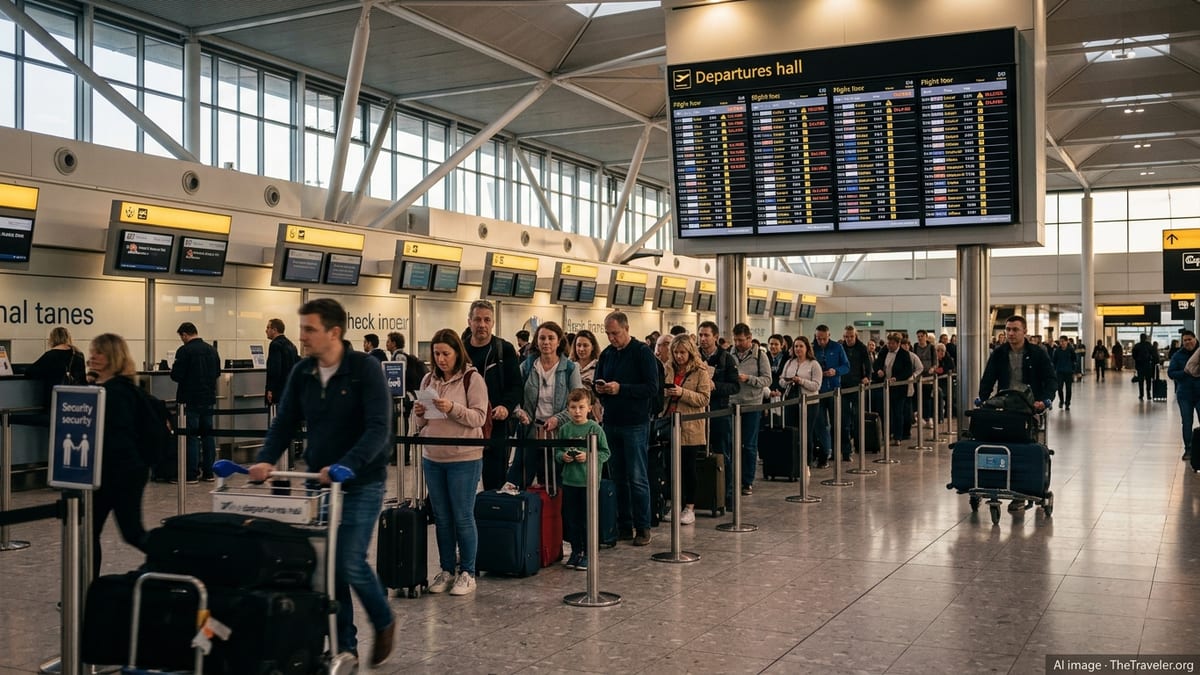
Regional Conflict Drives Urgent Rethink of Easter Travel Plans
The latest FCDO advisories ahead of the Easter holiday period highlight how the expanding conflict involving Iran, the United States and regional allies is reshaping risk assessments for popular sun destinations. Publicly available guidance shows that the UAE is under significantly heightened scrutiny following sustained missile and drone strikes linked to the 2026 Iran war, while Turkey and Greece are being monitored closely because of their proximity to flashpoints and growing military posturing in the Eastern Mediterranean.
Analysts tracking the conflict note that missile and drone attacks on the UAE since late February, including incidents affecting Abu Dhabi and Dubai, have underscored the potential for disruption to aviation and critical infrastructure. These developments, combined with the risk of sudden changes to airspace and flight operations, have fed into more cautious wording in travel advisories and have prompted insurers and tour operators to revisit their exposure ahead of the busy spring break period.
The FCDO guidance is being reviewed against a backdrop of wider regional unrest, from demonstrations in major Middle Eastern cities to drone activity around strategic bases in Cyprus. This broader picture is shaping how officials frame risks not only in conflict‑adjacent countries but also in destinations traditionally viewed as stable gateways to the region, such as Greece and parts of Turkey.
UAE: Popular Hub Grapples With Missile Strikes and Flight Disruption
The UAE, and Dubai in particular, remains one of the most sought‑after destinations for British travellers during Easter, but recent attacks have shifted the risk calculus. Public reporting on the Iranian campaign targeting sites across the Emirates describes extensive use of ballistic missiles and drones, with debris and interceptions affecting urban areas and transport hubs, including incidents near Dubai International Airport.
Travel risk bulletins and security advisories circulated to corporate clients in March warn that intermittent airspace restrictions, emergency diversions and temporary airport closures are possible if attacks continue. Some travellers have already experienced delays, last‑minute rerouting and a sharp increase in demand for seats on outbound flights as visitors attempt to leave during lulls in activity, according to media coverage and social media accounts from passengers.
Updated foreign travel guidance stresses the importance of monitoring local announcements, being prepared for rapid changes to flight schedules and following instructions from airlines and airport operators. British nationals already in the UAE are being advised in open‑source security briefings to keep travel documents readily accessible, maintain flexible itineraries and ensure that they have contingency funds and comprehensive travel insurance that explicitly covers travel to higher‑risk environments.
Although everyday life continues in key tourism centres, the cumulative effect of repeated alerts, visible air defence activity and emergency services responses around major cities has contributed to a more cautious tone ahead of the Easter peak. Industry observers suggest that families with young children and older travellers are among those most likely to postpone or rebook trips to alternative destinations.
Turkey: Balancing Strong Tourism Demand With Security Sensitivities
Turkey remains a mainstay of British package holidays, and advance bookings for coastal resorts have been strong. However, its geographical position, domestic security issues and close involvement in regional diplomacy have ensured that it features prominently in current risk assessments. Security forecasts produced for the corporate travel sector describe Turkey as a medium‑risk environment, highlighting the long‑running threat from terrorism and the potential for protests in major cities.
While there have been no widespread reports of direct attacks on Turkey linked to the latest Iran‑related escalation, the country’s role in the Eastern Mediterranean and its military posture around Cyprus have drawn attention. Reports on regional mobilisations describe Turkish deployments and statements regarding the defence of Northern Cyprus, raising concern among analysts about miscalculation or spillover from nearby drone and missile activity targeting regional bases.
For British visitors, the practical implications during Easter are likely to centre on situational awareness and itinerary planning. Travel security guidance recommends that tourists avoid political demonstrations, stay away from sensitive sites such as government buildings, and follow local media for updates on any short‑notice security measures. Night‑time travel in unfamiliar urban areas, particularly in larger cities, is commonly flagged as a point of caution.
Coastal holiday areas that rely heavily on international tourism have so far reported limited disruption, and many tour operators continue to market Turkish resorts as open for business. Even so, the FCDO’s emphasis on regional instability means travellers are being encouraged to verify that accommodation providers and tour companies have clear contingency plans for transport interruptions or localised unrest.
Greece: Eastern Mediterranean Tensions Shadow a Key EU Holiday Destination
Greece, one of the most visited European Union destinations for UK residents, is not directly involved in the Iran conflict but is nonetheless affected by shifts in the regional security environment. Its airspace and ports are central to NATO and European military movements in support of operations across the Eastern Mediterranean, and Greek air defences have reportedly been involved in intercepting drones near British bases on Cyprus since the latest escalation.
Travel specialists point out that this dual role, as both a tourist hotspot and a logistical hub, introduces a layer of complexity for risk planners. While Greek islands and mainland resorts remain far from any active front line, the possibility of increased military traffic, airspace adjustments or precautionary security measures has led to closer monitoring of flight paths and cruise operations in surrounding waters.
Domestic political sensitivities around migration, defence cooperation and relations with Turkey also contribute to periodic demonstrations in Athens and other major cities. Publicly available security assessments advise visitors to steer clear of protest areas, particularly near parliament buildings, central squares and university campuses, where rallies can sometimes escalate into clashes with police.
For families and independent travellers arriving over Easter, industry guidance stresses that routine urban precautions remain appropriate, but that itineraries should be kept flexible and registered with tour operators or accommodation hosts. Some travel insurers are beginning to highlight Eastern Mediterranean developments in their policy updates, underlining the need for customers to check coverage carefully before departure.
What British Travellers Should Do Before and During Easter Trips
The evolving situation has placed a spotlight on pre‑departure preparation. Consumer rights advocates and travel industry bodies are advising British holidaymakers to consult the latest FCDO country pages immediately before booking and again shortly before travel, as changes to advice levels can affect both insurance validity and refund options. Travellers who purchased packages are encouraged to confirm the position of their tour operator if official guidance tightens close to the departure date.
Experts in corporate and leisure travel risk management emphasise the value of redundancy and flexibility. Recommendations shared in recent security advisories include carrying both digital and hard‑copy travel documents, maintaining alternative payment methods, and keeping essential medication and a small emergency kit in hand luggage in case of sudden delays or diversions.
Once in destination, British nationals are encouraged to register contact details with their travel provider, routinely note the location of their nearest British embassy or consulate, and keep mobile phones charged and capable of receiving emergency alerts. In cities that may see demonstrations or heightened security measures, travellers are urged to build extra time into journeys to airports and transport hubs and to avoid areas where crowds are gathering.
With Easter fast approaching, the message from publicly available government and industry guidance is not a blanket call to cancel trips, but a clear signal that the risk environment for the UAE, Turkey and Greece is more complex than in previous years. British travellers who stay closely informed, understand the implications of changing official advice and plan for contingencies are most likely to navigate the holiday period with minimal disruption.