

More news on this day
Britons planning trips to Nigeria are being urged to reassess their plans and tighten personal security after the United Kingdom updated its foreign travel advice to highlight a heightened Islamist terror threat across parts of the country.
Get the latest news straight to your inbox!
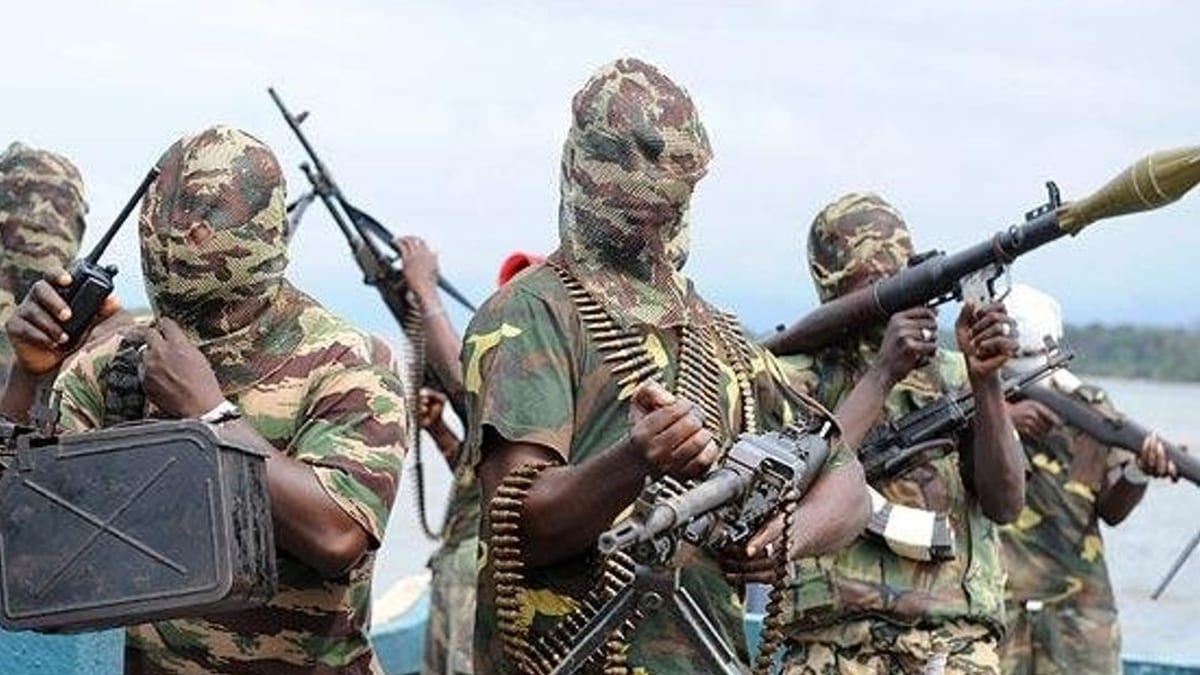
Image by GB News
Foreign Office Tightens Language on Terror Threat
The latest update to the United Kingdom’s foreign travel advice for Nigeria underlines the risk of Islamist terrorism, particularly in regions already affected by long running insurgencies. Publicly available guidance now stresses that terrorist attacks are considered very likely in parts of the country, and that foreigners, including British nationals, could be caught up in incidents targeting public places.
The refreshed wording follows a series of recent attacks and intelligence assessments pointing to the continued capability of groups such as Boko Haram and Islamic State West Africa Province. These organisations remain active in the north and northeast, where they have historically targeted security forces, marketplaces, transport hubs, religious sites, and crowded urban locations.
Travel advice compiled by the UK government already listed Nigeria among destinations where the threat from terrorism is persistent. The new emphasis brings the Islamist dimension of the threat into sharper focus, reflecting patterns in recent violence and wider concerns over extremist networks operating across the Sahel and Lake Chad basin.
For Britons, the guidance translates into a renewed call to keep itineraries under review, avoid high profile gatherings and stay alert in locations that attract expatriates, including international hotels, shopping centres, and major event venues.
Regional Hotspots and Recent Islamist Violence
The advisory distinguishes between different parts of Nigeria, highlighting that the level of risk is not uniform across the country. States in the northeast and parts of the north central belt are identified as the areas of greatest concern due to entrenched Islamist insurgencies and overlapping communal conflicts.
In Borno State, where Boko Haram and Islamic State West Africa Province have operated for more than a decade, reports indicate that militants continue to stage bombings and raids on communities. Recent coverage by international media has documented coordinated explosions in the regional capital Maiduguri, underscoring that even heavily guarded cities remain vulnerable to suicide attacks and improvised explosive devices.
Further west, analysts have drawn attention to a spread of jihadist-style violence into previously calmer states. Research organisations tracking Nigeria’s security landscape describe a pattern of Islamist cells and allied armed groups exploiting porous borders, forested hideouts, and gold-for-arms smuggling routes to sustain operations and acquire weapons.
While the commercial hub of Lagos and much of southern Nigeria experience a comparatively lower incidence of Islamist terrorism, the Foreign Office warning notes that attacks elsewhere in the country can have knock on effects, from temporary flight disruptions to heightened checkpoints and security operations that affect internal travel.
Implications for British Travellers and Expatriates
For British tourists, business travellers, aid workers, and expatriate families in Nigeria, the tightened alert is a signal to review risk management plans rather than an automatic instruction to leave. The guidance encourages travellers to consider whether journeys are essential, particularly to higher risk northern regions, and to remain in close contact with employers or sponsoring organisations.
Companies with staff based in Nigeria are being advised, through publicly available security briefings, to reassess movement policies, including restrictions on night travel, road journeys between cities, and visits to remote project sites. Travel security providers note that kidnap for ransom, banditry, and communal violence often overlap with jihadist activity, creating a fluid and unpredictable threat picture in several states.
Education providers and international schools catering to foreign nationals have also been urged to keep emergency procedures current. Recent bulletins from other foreign missions in Nigeria have referred to potential threats to Western linked facilities, prompting some institutions to revisit access controls, school run routes, and coordination arrangements with private security firms.
British nationals already in Nigeria are encouraged to ensure that their contact details are up to date with consular registration services and to monitor trusted local news sources for information on security incidents, curfews, and travel disruptions that could affect day to day movements.
Travel Planning, Insurance and Risk Mitigation
The Foreign Office update carries practical consequences for travel planning. Many UK based insurers use official government advisories when assessing policies, and a classification of areas as high risk or advised against travel can influence the validity of standard cover. Travellers are being urged to check policy terms closely, including clauses relating to terrorism, civil unrest, medical evacuation, and cancellation.
Specialist security consultants recommend that anyone who decides to proceed with travel to Nigeria conducts pre departure briefings that cover local security dynamics, safe route planning from airports, and contingency arrangements in case of sudden unrest or an incident near accommodation. Advice typically includes booking reputable drivers, avoiding unmarked taxis, varying daily routines, and limiting time spent in highly crowded public spaces.
Public information also highlights the importance of robust communication plans. This includes sharing itineraries with family or employers, agreeing regular check in times, and ensuring backup power and data options in case of network outages or fuel shortages that affect mobile connections.
For longer term residents, experts on duty of care emphasize the value of rehearsed shelter in place procedures, access to basic supplies, and coordination within residential compounds or neighbourhood associations. Such measures are designed to reduce exposure during short lived spikes in violence or security operations triggered by terror alerts.
Broader Security Context for Nigeria Travel
The sharpened UK warning sits within a wider debate about how governments should communicate terror risks without deterring all travel to high growth markets such as Nigeria. Academic research on foreign travel advice notes that Western governments increasingly highlight Islamist threats where intelligence and attack patterns justify consistent concern, even when visitors are not direct targets.
Nigeria remains a pivotal economy in West Africa, attracting energy investment, infrastructure projects, and a growing flow of business visitors. At the same time, international indices tracking global terrorism show that the country continues to rank among the states most affected by militant violence, reflecting both Islamist insurgencies and criminal networks that mimic jihadist tactics.
Security analysts argue that improved coordination between federal authorities, regional partners, and international allies will be crucial in reducing the operating space for extremist groups. Alongside military operations, initiatives aimed at strengthening border control, disrupting terror finance, and addressing local grievances are seen as essential to lowering the overall threat level over time.
For Britons, the Foreign Office update is a reminder that travel to Nigeria requires a higher degree of preparation and situational awareness than many other destinations. With Islamist groups retaining the capability to mount deadly attacks, the balance between opportunity and risk will remain a central consideration for tourists, investors, and expatriate communities assessing journeys to Africa’s most populous nation.