

More news on this day
The UK Foreign, Commonwealth and Development Office has issued an urgent update to its travel advice for Turkey, warning of a heightened terrorism threat in areas close to the Syrian border and parts of the country’s southeast, and urging British tourists to review their plans and stay vigilant.
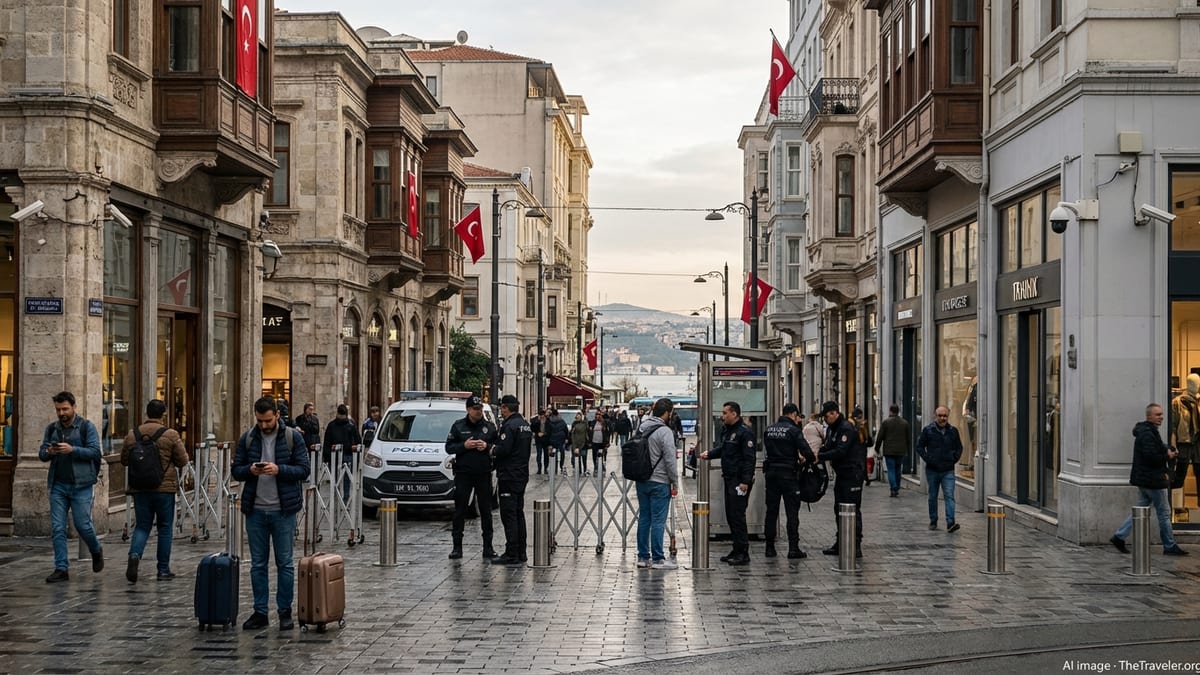
Foreign Office Tightens Advice on High-Risk Turkish Regions
In its latest update, the Foreign Office advises against all travel to areas within 10 kilometres of Turkey’s border with Syria, citing continuing hostilities in northern Syria and an increased risk of terrorist activity spilling over into nearby Turkish territory. The warning underscores longstanding security concerns in this frontier zone, where the conflict across the border has regularly affected towns and infrastructure on the Turkish side.
The updated guidance also urges travellers to exercise particular caution in parts of southeastern Turkey, where security forces have previously mounted large-scale operations against extremist and militant groups. While the main resort regions on the Aegean and Mediterranean coasts remain outside the areas covered by the strongest warnings, officials stress that the overall national terrorism threat remains elevated and that attacks could target popular public places frequented by visitors.
Officials say the move reflects a reassessment of current intelligence and recent developments near the Syrian border rather than a single specific incident. The updated advisory stresses that terrorists are considered likely to try to carry out attacks in Turkey, and that foreign tourists, busy urban centres and transport hubs could be among potential targets.
Which Areas Are Affected and How Travel Plans May Change
The Foreign Office now advises holidaymakers and business travellers to avoid any journey that would take them within 10 kilometres of the Syrian frontier, including segments of major highways and road links used by overland travellers transiting eastern Turkey. Border districts that have previously attracted adventurous travellers because of their proximity to historic sites and cross-border trade routes are now firmly off the safe list for British nationals.
Beyond the immediate border zone, authorities highlight ongoing security operations and the potential for sudden restrictions or curfews in parts of the southeast, including urban centres and rural districts where security forces maintain a visible presence. Travellers with itineraries that include overland tours, trekking routes or cultural visits in eastern and southeastern provinces are being urged to reassess their plans carefully, consult local operators and be prepared to reroute or cancel as conditions require.
Major Turkish cities such as Istanbul, Ankara and Izmir, along with key coastal destinations like Antalya, Bodrum and Dalaman, continue to see high volumes of British visitors. However, the elevated terrorism warning means travellers are being encouraged to factor security considerations into even routine city breaks, including choosing accommodation in well-secured areas and building extra time into journeys in case of checkpoints or heightened screening at airports and transport hubs.
Terrorism Threat: What British Tourists Are Being Told
The updated advisory notes that previous terrorist attacks in Turkey have targeted both security forces and civilian locations, including shopping districts, nightlife areas, religious sites and public transport. While there is no suggestion that tourists are being singled out, the presence of foreign visitors in crowded places such as markets, seafront promenades and major landmarks means they could be caught up in any incident.
The Foreign Office is urging British nationals in Turkey to stay alert in places where people gather in large numbers, such as popular squares, transport interchanges, concert venues and tourist attractions. Travellers are advised to pay close attention to local security guidance, remain aware of their surroundings and move away quickly from any situation that feels unusual or tense, particularly if they notice a sudden increase in security forces or road closures.
Officials also warn that attempted attacks may not always be preceded by clear public warnings. As a result, the guidance stresses the importance of keeping mobile phones charged, monitoring local and international news, and being ready to adjust daily plans at short notice if security advice changes or if local authorities temporarily close certain areas or venues.
Practical Advice for Staying Safe on the Ground
British travellers currently in Turkey are being encouraged to familiarise themselves with the layout of their hotel, nearby streets and emergency exits, and to keep copies of passports and key documents in a secure but accessible location. Travel experts recommend avoiding long periods in queues or exposed waiting areas when possible, especially around major bus terminals and train stations, and moving promptly through security checkpoints.
Visitors are being urged to avoid political demonstrations, rallies or large public gatherings, even if they appear peaceful, as these can quickly attract heavy policing or become unpredictable. In some southeastern areas, localised unrest or security incidents can lead to swift road closures and the deployment of additional forces, potentially disrupting travel plans far beyond the immediate scene.
The guidance also suggests that travellers maintain regular contact with family or friends in the UK, sharing basic details such as hotel names, flight numbers and daily plans. Those booking excursions or transfers are advised to use reputable operators who monitor security conditions and are prepared to adjust routes away from sensitive areas, especially when travelling inland from the main resort towns.
Impact on Bookings and What Travellers Should Do Next
The updated Foreign Office warning is expected to prompt many British travellers and tour operators to review itineraries that include eastern or southeastern Turkey, particularly trips that involve overland segments near the Syrian border. Industry analysts say package holidays concentrated in coastal resort regions are less likely to be directly affected, but they note that some travellers may still feel uneasy and seek clarity from airlines and tour companies.
Under standard industry practice, tour operators often follow UK government travel advice when deciding whether to operate trips or allow fee-free changes. Travellers whose holidays are focused on banned or strongly discouraged areas may find they are able to alter or cancel arrangements without penalties, while those booked to popular resort areas further from the affected regions may be offered date or destination changes on a discretionary basis.
For now, officials are emphasising that the updated guidance is intended to help travellers make informed decisions rather than to halt all leisure travel to Turkey. However, they are also clear that the terrorism risk remains serious, especially in and near the border regions, and that anyone planning a trip in the coming weeks should monitor official updates closely and remain prepared to adapt plans quickly if the security picture shifts further.