

More news on this day
Barbados is deepening its appeal to high-spending long-haul travelers as the United Kingdom joins the United States, Germany, France, Italy, Canada and dozens of other nations among 81 visa-free travel countries, coinciding with a fresh wave of record-breaking tourism figures for the eastern Caribbean island.
Get the latest news straight to your inbox!
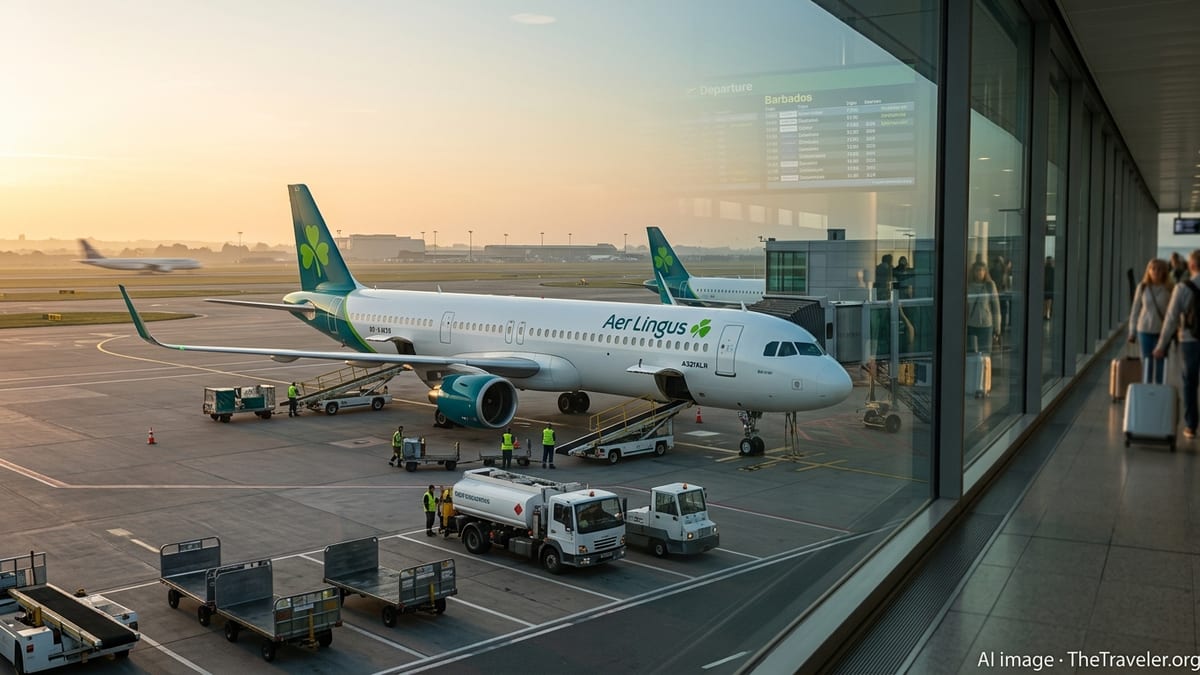
UK Added To Expansive Visa-Free List
Publicly available border policy information shows that Barbados now offers visa-free entry to citizens of 81 countries and territories, led by major outbound markets such as the United Kingdom, United States, Canada, Germany, France and Italy. The expanded access is positioned as a core pillar of the island’s strategy to stay competitive in a Caribbean region where simplified entry rules are increasingly being used to attract affluent travelers.
Citizens from these countries are typically permitted to stay in Barbados for several weeks to several months without obtaining a visa in advance, provided they meet standard entry conditions such as holding a valid passport and confirmed onward or return travel. Immigration guidance indicates that many of these visitors fall into the category of short-stay holidaymakers, a segment that continues to underpin the destination’s tourism earnings.
Travel industry analysts note that Barbados has moved in step with wider global mobility trends, as international indexes continue to highlight both the strength of the Barbadian passport and the island’s relatively open stance toward inbound visitors. The alignment of visa-free access with the island’s main airlift partners is viewed as particularly important for sustaining year-round demand.
Record Arrivals Underscore Tourism Momentum
Recent tourism statistics from Barbados point to a sharp rebound and subsequent expansion in stayover arrivals, with 2024 and early 2025 performance surpassing pre-pandemic benchmarks. Data compiled by national tourism and statistical agencies indicates that stayover visitor numbers in 2024 exceeded 700,000, eclipsing the previous record set in 2019 and signaling a full recovery of the sector.
Reports indicate that the United States, United Kingdom and Canada remain the three largest source markets for Barbados, together accounting for the majority of stayover visitors. While the exact ranking among these markets has shifted from year to year, the combination of frequent airline services and relaxed visa regimes has helped stabilize inflows, even amid changing economic conditions in North America and Europe.
Forward-looking indicators are also strong. Industry updates from hotel and tourism associations show that average hotel occupancy in early 2025 is tracking in the low- to mid-80-percent range for many properties, with some resorts reporting near full capacity during peak winter weeks. Market watchers say this performance is consistent with the island’s positioning as an upscale, high-repeat destination within the wider Caribbean.
Air Connectivity And Hotel Performance Strengthen
Barbados’s visa-free policy for key markets has developed alongside investments in airline connectivity from Europe and North America. Recent economic and tourism reports highlight expanded seat capacity from U.S. gateways in 2024, supported by major carriers operating from cities such as Miami, New York and Charlotte, in addition to long-standing links from London and other European hubs.
These airlift improvements are feeding directly into hotel performance metrics. Sector analyses referencing Barbados point to rising occupancy rates and strong growth in revenue per available room, particularly in the luxury and upper-upscale segments. Beachfront resorts on the south and west coasts have reported robust advance bookings from UK and European tour operators, complemented by increasing numbers of independent travelers from the United States and Canada.
Developers and brand operators have responded with a pipeline of new and upgraded accommodation, including boutique hotels, villa products and branded residences aimed at long-stay and repeat guests. Industry commentary suggests that the combination of seamless entry for major markets, sustained airlift and higher-spend visitors is helping to support broader investment confidence in Barbados’s tourism infrastructure.
Diversifying Source Markets Beyond Traditional Hubs
While the United Kingdom, United States, Germany, France, Italy and Canada remain central to Barbados’s tourism strategy, officials and private-sector stakeholders have placed increasing emphasis on diversification into other European, Latin American and regional Caribbean markets, many of which also benefit from visa-free access. Tourism statistics show incremental gains from non-traditional European countries and select Latin American cities as connectivity and marketing partnerships expand.
Regional travel within the Caribbean is another area of opportunity. Citizens of several neighboring states enjoy facilitated movement to Barbados, and recent Caribbean-wide tourism analyses describe a gradual rise in intra-regional leisure trips, short business visits and event-related travel. These segments contribute to smoothing seasonality, helping to fill hotel rooms outside the core winter season dominated by transatlantic arrivals.
Travel analysts caution, however, that growth from emerging markets is sensitive to airfare costs and global economic conditions. Barbados’s reliance on air travel for nearly all visitors means that fuel prices, airline capacity decisions and currency fluctuations can influence the pace at which newer markets scale up, even under liberal entry policies.
Balancing Growth With Sustainability And Community Impact
As Barbados celebrates record-breaking visitor numbers, discussions around sustainable growth have gained prominence. Publicly available government and industry reports emphasize the need to balance higher arrivals with environmental protection, coastal resilience and community well-being on an island with finite land and freshwater resources.
Initiatives highlighted in recent tourism and economic briefings include efforts to promote certified sustainable accommodations, encourage lower-impact marine activities and support cultural heritage experiences that channel tourism spending into local communities. Stakeholders describe these measures as essential for maintaining Barbados’s brand as a premium, environmentally conscious destination.
Observers note that visa-free access for 81 countries is likely to continue serving as a competitive advantage in the region, particularly as some rival destinations tighten entry rules or adjust tourism taxes. For Barbados, the challenge will be to convert easier access from the United Kingdom and other key markets into higher-value, longer-stay tourism that supports jobs, safeguards natural assets and sustains the island’s appeal over the long term.