

More news on this day
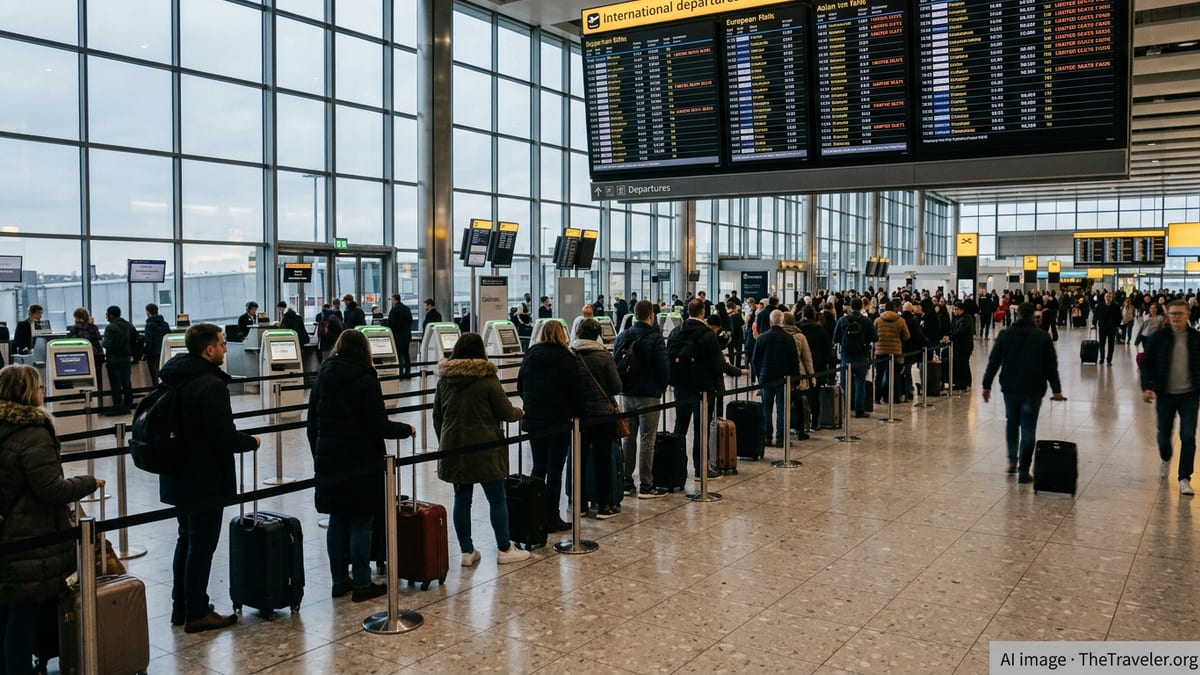
Travelers planning trips between Europe and Asia are facing a sharp and sudden spike in ticket prices, with fares from the United Kingdom and other major European countries to Asian hubs reportedly jumping by up to 260 percent as airlines grapple with a tightening jet fuel market and severe route disruptions linked to the Iran conflict.
Get the latest news straight to your inbox!
Fuel Shock and Route Disruptions Push Fares to New Highs
Airlines across Europe are rapidly repricing long-haul tickets as the fallout from the Iran war ripples through global energy and aviation markets. Jet fuel costs have soared after attacks and instability around key oil export routes in the Gulf, while refinery constraints have left Europe facing a widening deficit in aviation fuel supply. With fuel already one of the largest operating costs for carriers, the latest surge is being passed on directly to passengers in the form of higher base fares and emergency surcharges.
The pain is acute on Europe to Asia corridors, where flying time and fuel burn are high and schedules were already stretched by the continued closure of Russian airspace. Airlines are now adding detours around parts of the Middle East, extending flight times by hours on some routes, further increasing fuel consumption and crew costs. Industry trackers report that nonstop and one-stop itineraries from the United Kingdom, Germany, France, Ireland, Spain, Denmark and Sweden to major Asian destinations are among those seeing the steepest rises, with some direct economy fares more than tripling compared to typical pre-crisis levels.
Capacity constraints are amplifying the shock. Gulf super-connectors and Asian carriers are cutting or re-routing services as they navigate airspace restrictions and fuel availability issues, reducing the number of seats available between Europe and Asia at the very moment demand for spring and early summer travel is building. With fewer flights and more complicated routings, remaining seats on the most direct itineraries are being sold at a premium, driving headline increases of 200 to 260 percent on certain peak dates.
Regulators and airline executives across Europe and Asia are warning that if fuel prices remain elevated into April and May, further fare hikes and selective capacity cuts are likely. Some civil aviation authorities in Asia have already flagged the risk of local jet fuel shortages at key hubs, prompting airlines to review flight plans, investigate refuelling in alternative airports and consider trimming frequencies on fuel-intensive long-haul sectors.
How the UK and Key European Markets Are Being Hit
The United Kingdom has quickly joined Germany, France, Ireland, Spain, Denmark and Sweden in feeling the impact of the latest fuel shock on long-haul prices. From London, nonstops and one-stop itineraries to Bangkok, Singapore, Hong Kong, Tokyo and major Indian cities have all seen sharp spikes, especially for departures over the next six to eight weeks. Fare data from independent trackers and online travel agencies show that typical economy return tickets that were selling for mid-range prices only weeks ago are now pricing in multiples of their usual level on key school holiday and business-heavy dates.
Germany and France, both major Europe to Asia gateways, are experiencing similar patterns. Nonstop services from Frankfurt, Munich and Paris to East and Southeast Asia are heavily booked, particularly where passengers are trying to avoid routings that pass close to Middle Eastern conflict zones. Ireland and the Nordic markets, including Denmark and Sweden, are seeing their limited direct long-haul options fill rapidly, forcing many travelers onto complex itineraries involving multiple connections through continental hubs or North America.
Southern Europe is not immune. Spain’s main hubs are reporting very strong demand for long-haul seats, and some travelers from the United Kingdom and Ireland are even routing via Madrid or Barcelona in search of marginally lower fares or better availability, adding extra legs to their journeys. However, as more passengers pile into such workarounds, arbitrage opportunities between markets are closing quickly, leaving little relief for late bookers.
Corporate travel managers across the region are starting to adjust budgets and policies, warning staff that lead times for booking trips to Asia must be extended and that premium cabins are likely to be restricted to essential travel only. For leisure travelers, the sticker shock is arriving just as they try to firm up plans for Easter and early summer breaks, with many now reconsidering long-haul holidays in favor of shorter European trips reachable by rail or low-cost carriers.
What This Means for Travelers Booking Now
For anyone in the United Kingdom or elsewhere in Europe planning an Asia trip in the coming months, the key message is that volatility is here to stay, at least in the short term. Fares on many Europe to Asia routes are no longer following predictable seasonal patterns. Instead, they are being driven by day-to-day changes in fuel prices, airspace availability and airline scheduling decisions. Prices can jump from one day to the next as ticket inventory in lower fare classes sells out.
Travel agents and fare analysts advise that travelers who find a price they can tolerate for essential trips should be prepared to book quickly rather than waiting for a broad-based drop that may not materialize while the conflict and fuel constraints persist. Dynamic pricing models mean that once a certain threshold of seats sells on a flight, remaining inventory moves into higher fare buckets, locking in the new, higher price level. Brief price dips may still appear when airlines release additional inventory or adjust schedules, but these windows are typically short and unpredictable.
Flexibility is increasingly valuable. Travelers able to shift departure dates by even a day or two, fly from alternative airports, or accept additional connections can sometimes find significantly better fares, even in a high-price environment. Conversely, those tied to fixed dates from major hubs like London Heathrow, Frankfurt or Paris Charles de Gaulle are bearing the brunt of the surge, particularly on Friday and weekend departures.
Insurance and booking conditions also matter more than usual. With the risk of last-minute schedule changes and extended routings higher than normal, policies that cover trip disruption and allow some flexibility in changing dates or carriers can help protect travelers from the most severe cost and inconvenience if conditions worsen.
Key Steps to Take Before You Buy a Ticket
Before committing to an expensive long-haul ticket in the current environment, travelers should take a more methodical approach to shopping and planning. First, compare fares across multiple days and nearby airports instead of focusing on a single preferred itinerary; the spread between peak and off-peak days has widened substantially, and secondary airports can sometimes offer meaningful savings.
Second, scrutinize routing carefully. Itineraries that looked attractive on price alone a few months ago may now involve long detours, overnight connections or exposure to airports experiencing fuel supply stress. Travelers should pay close attention to total journey time, connection quality and the likelihood of further disruption on particular corridors, not just the fare shown at the top of a search result.
Third, check the fare rules and flexibility options in detail. Many airlines are reintroducing or tightening change fees and restricting refunds on lower-priced tickets as demand surges. Opting for a slightly more expensive fare with the ability to change dates at a modest cost can be a worthwhile hedge when fuel prices, war-related disruptions and potential fuel shortages at specific airports all raise the risk of plans being upended.
Finally, consider whether the trip is time-sensitive. If travel dates are fixed and essential, booking sooner rather than later may be prudent despite high prices. If plans are discretionary, some travelers may prefer to postpone non-urgent long-haul journeys until there is greater clarity on fuel markets and airspace conditions, focusing instead on destinations reachable within Europe where alternative transport modes offer more price stability.
Outlook: How Long Could the Price Shock Last?
How long Europe to Asia airfares remain at today’s elevated levels will largely depend on how quickly the Iran conflict stabilizes, how global oil and refined product markets react, and whether Europe can secure more reliable supplies of jet fuel. Analysts note that previous geopolitical shocks which disrupted key flight corridors, such as the closure of Russian airspace in 2022, led to months of elevated fares on affected routes, even after the initial panic in energy markets had receded.
If jet fuel prices ease in the coming weeks and airspace restrictions are gradually relaxed, airlines could start reinstating more direct routings and capacity, which would help bring fares down from their current peaks. However, Europe’s structural deficit in jet fuel supply and the continuing need for longer routings on many Asia services suggest that a return to pre-crisis price levels in the near term is unlikely.
For now, travelers from the United Kingdom, Germany, France, Ireland, Spain, Denmark, Sweden and other European countries should plan on a period of sustained volatility and elevated costs for trips to Asia. Monitoring prices regularly, booking early when travel is essential, and building flexibility into itineraries will be crucial strategies for navigating this turbulent phase in global aviation.
While airlines emphasize that safety and operational integrity remain paramount, they are also signaling that further adjustments to schedules and pricing may be necessary if fuel shortages deepen or new airspace constraints emerge. That means the only certainty for travelers looking east from Europe this spring and summer is that the cost and complexity of getting there are likely to remain higher than they have been in years.