

More news on this day
The United Kingdom is moving into line with a growing number of European destinations by introducing new visitor levies and tightening rules on tourism, as cities from Edinburgh to Amsterdam join Romania, Italy, Spain, Greece, Belgium and others in using taxes and caps to contain overtourism and fund more sustainable travel infrastructure.
Get the latest news straight to your inbox!
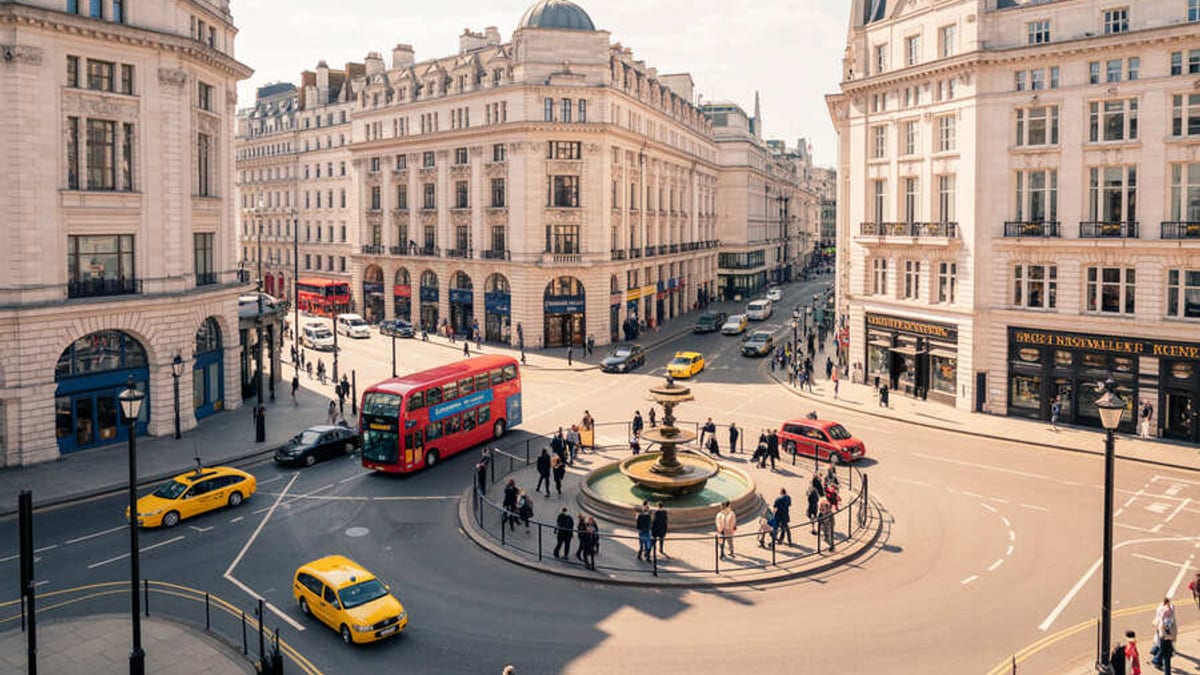
Image by Travel And Tour World
UK Rolls Out Visitor Levies And Entry Fees
Publicly available information shows that the UK is shifting from ad hoc measures to a more structured approach to taxing tourism. Manchester became the first British city to introduce a hotel-style visitor charge in 2023, applying a nightly fee to guests staying in city-centre accommodation. The scheme was framed as a way to support destination marketing and visitor services at a time of rising costs and record arrivals.
The policy direction has since widened. Reports indicate that Scotland is preparing to implement its own nationwide framework for visitor levies, allowing local councils to add a percentage charge to overnight stays. Edinburgh is expected to be the first Scottish city to apply the new power in summer 2026, with a planned 5 per cent charge on accommodation bills and a cap on the number of consecutive nights to which it applies. Local impact assessments suggest the measure could raise tens of millions of pounds annually for public realm improvements and tourism management.
At the border, the UK is also moving toward a more formalised pre-registration system for visitors. An Electronic Travel Authorisation is being phased in for non-visa nationals, adding a modest per-person fee to the cost of entry. While not branded as a tourist tax, travel analysis widely classifies the scheme as part of the same trend toward using visitor payments to offset the fiscal and environmental impacts of tourism.
Taken together, these steps place the UK among a fast-growing group of European countries that see visitor-specific charges as a central tool in balancing tourism’s economic benefits with pressure on housing, local services and the environment.
Italy, Spain And Greece Tighten Rules On Mass Tourism
Elsewhere in Europe, the shift is even more visible. Italy, Spain and Greece, long among the continent’s most-visited countries, have spent the past two years revising city taxes and experimenting with visitor caps in response to crowding at headline attractions and rising tensions with residents.
Italian cities have expanded longstanding overnight levies and introduced new limits at flagship heritage sites. Rome’s Colosseum now operates with stricter real-time capacity controls, and Pompeii has set daily entry caps after visitor numbers surged past four million in 2024. Municipal authorities in destinations such as Milan and Venice have either raised per-night hotel taxes or trialled additional access fees on peak days, explicitly linking the extra revenue to heritage conservation and crowd management.
Spain has taken a multi-layered approach. Tourist regions including Catalonia and the Balearic Islands continue to apply “sustainable tourism” taxes on hotel and apartment stays, with rates that vary by season, visitor age and accommodation category. Barcelona has raised its existing city tax and tightened rules on short-term rentals as part of a broader effort to curb noise, congestion and pressure on the local housing market. In some coastal hotspots, cruise passengers and day-trippers now pay dedicated levies that sit alongside overnight charges.
Greece has shifted its long-standing stayover charge toward more climate-focused branding, with a higher seasonal fee for guests in larger and more expensive properties. An additional levy for cruise ship passengers, introduced in 2025 and maintained into 2026, reflects concerns about port congestion and environmental stress on island communities. Analysts note that Greece’s visitor taxes are now explicitly framed around resilience to extreme weather and natural disasters, linking tourism directly to funding for adaptation.
Netherlands, Belgium And Romania Refine Local Tourist Taxes
Northern and Eastern European destinations are also recalibrating how they tax visitors. The Netherlands continues to stand out for the scale of local levies in Amsterdam, where the combined hotel tax includes both a percentage of the room rate and a per-night surcharge. Recent increases have pushed the city’s overall visitor tax burden to some of the highest levels in Europe, according to travel-industry surveys, as local leaders seek to steer demand away from the most fragile central districts.
Belgium’s major cities have expanded long-established tourist charges rather than creating entirely new systems. Brussels and other urban centres apply per-night fees based on hotel category and sometimes room occupancy, adding a predictable supplement to accommodation bills. Updates for 2026 include incremental increases in city-centre rates, justified in public documents as necessary to support cultural programming, street cleaning and public transport used heavily by visitors.
Romania, for its part, has been refining a patchwork of local city taxes that are often expressed as a percentage of the nightly room price. Surveys of European tourism taxes compiled in early 2025 show that a number of Romanian municipalities now apply rates in the range of 0.5 to 3 per cent, with coastal and spa towns among the first to raise tourism-specific revenues. While these charges are typically lower than those in Western Europe’s marquee destinations, experts view them as an early sign that Central and Eastern Europe is unlikely to remain a bargain refuge from tourism taxation.
Across these countries, the pattern is similar: visitor levies are being recalibrated to reflect both rising demand and the growing cost of managing that demand, rather than being treated as minor administrative fees.
Caps, Bans And Entry Systems Reshape The European Holiday
Tourist taxes are only one strand of Europe’s response to overtourism. Publicly available information from city councils and national tourism bodies shows a parallel rise in hard caps, time-based fees and restrictions on certain types of accommodation or transport.
Italy and Spain have been among the most active in experimenting with entry caps at specific attractions and in heritage districts. Visitor numbers at sites such as Pompeii and sections of central Venice are increasingly regulated through timed ticketing, daily quotas and seasonal access rules. Similar mechanisms are appearing in coastal areas where summer beach crowds are stretching local infrastructure to breaking point.
Several European countries are also tightening the regulatory environment for short-term rentals, often in tandem with new or higher tourism levies. Popular districts in cities like Barcelona and Amsterdam face stricter licensing rules and enforcement campaigns against unregistered properties, with local leaders arguing that managing visitor beds is as important as taxing them.
At the same time, new digital entry systems are reshaping how travellers plan and pay for trips. The European Union’s forthcoming travel authorisation scheme, alongside the UK’s own pre-entry requirements, will add modest fees and extra steps to the booking process for millions of visitors. While the amounts are small compared with total holiday budgets, industry observers say the cumulative effect of taxes, levies and permits is making the true cost of a European city break more complex to calculate.
Balancing Revenue, Resident Wellbeing And Sustainable Futures
Supporters of the new taxes argue that they represent a pragmatic response to a tourism boom that has outpaced investment in public services and environmental protection. Visitor levies, they note, create a dedicated revenue stream that can be earmarked for public transport, waste management, cultural preservation and climate adaptation projects in the destinations most affected by visitor pressure.
Critics, including some hospitality businesses and consumer groups, warn that the layering of local city taxes, national levies and regional charges risks confusing travellers and could eventually push price-sensitive visitors toward less regulated destinations. They also question whether proceeds are always ring-fenced for tourism-related projects, or whether they disappear into general municipal budgets.
For now, bookings data and tourism forecasts suggest that demand for Europe’s most popular cities remains resilient despite higher costs. Analysts point out that in many cases the increases amount to only a few euros per person per night, which may be less decisive in travel decisions than flight prices or currency movements. However, there is growing concern that frequent visitors, such as weekend city-break travellers, may begin to adjust their plans as the financial and administrative burden rises.
As the UK adopts visitor levies and aligns more closely with continental Europe on tourism charges, the broader picture is of a region trying to reset the terms of mass travel. The emerging model treats tourists as partners in funding the upkeep and resilience of the places they visit, with taxes and caps presented not only as deterrents to excess, but as instruments to secure a more sustainable future for the industry itself.