


More news on this day
The United Kingdom has tightened its travel warning for Kenya, sharpening its focus on border and coastal regions viewed as high risk while stressing that much of the country, including core safari circuits, remains open to visitors who follow safety guidance.
Get the latest news straight to your inbox!
Updated UK Advice Pinpoints High‑Risk Border Regions
According to the latest Kenya travel advice on the UK government website, reviewed on 11 September 2026, the Foreign, Commonwealth and Development Office (FCDO) now draws a sharper distinction between high‑risk areas and the rest of the country. The advisory highlights a band along the Kenya–Somalia frontier and parts of the north and northeast as locations where security conditions remain particularly volatile.
Publicly available information shows that the FCDO advises against all travel to Mandera County and to areas of Wajir and Garissa counties within 60 kilometres of the Somalia border. These zones have seen periodic incidents linked to armed groups based in neighbouring Somalia and are described in official mapping as carrying an elevated risk of terrorist attacks and kidnappings.
The advisory also flags parts of the northern corridor bordering Ethiopia and South Sudan as sensitive, in line with broader concern among international partners about unrest and armed activity around regional frontiers. Comparative tracking by independent risk aggregators notes that UK guidance for these northern and northeastern counties has hardened during 2026, bringing it closer to the more restrictive wording used by some other governments.
Travellers with plans that touch these regions are urged, in public guidance, to consider rerouting itineraries and to be aware that travel insurance purchased in the UK may not be valid if they enter areas where the FCDO advises against all travel or against all but essential travel.
Coastal Hotspots and Urban Centres Under Closer Scrutiny
The tightened UK advisory does not stop at the northern border. It also highlights parts of Kenya’s Indian Ocean coastline as areas where travellers should exercise increased caution, particularly in sections north of Malindi and around the Lamu archipelago, where the proximity to Somalia and a history of sporadic incidents have kept security on watch lists.
Travel risk trackers that compare UK advice with that of the United States, Canada and Australia indicate broad consensus that the combination of terrorism risk and kidnapping potential is highest along certain stretches of the northeastern coast. Australian and Canadian advisories reviewed in early November 2026 similarly point to coastal counties and remote beach areas near the Somali border as locations where travellers should avoid or limit non‑essential trips.
Nairobi and the major port city of Mombasa remain outside the UK’s no‑go zones, but they are called out for elevated crime risk. Publicly available advisories from several governments underline issues such as armed robberies, carjackings and opportunistic theft in dense urban environments, particularly after dark and away from main commercial districts. Visitors are encouraged to arrange airport transfers in advance, rely on reputable transport providers and avoid carrying visible valuables in busy streets.
Secondary cities like Kisumu, as well as popular coastal resort hubs around Mombasa and Malindi, appear in multiple international advisories as places where crime can affect tourists if basic precautions are not followed. The general tone of 2026 guidance stresses situational awareness in cities rather than blanket avoidance, aligning with Kenya’s continued efforts to promote urban tourism and conferences.
Safari Heartlands Remain Accessible With Routine Precautions
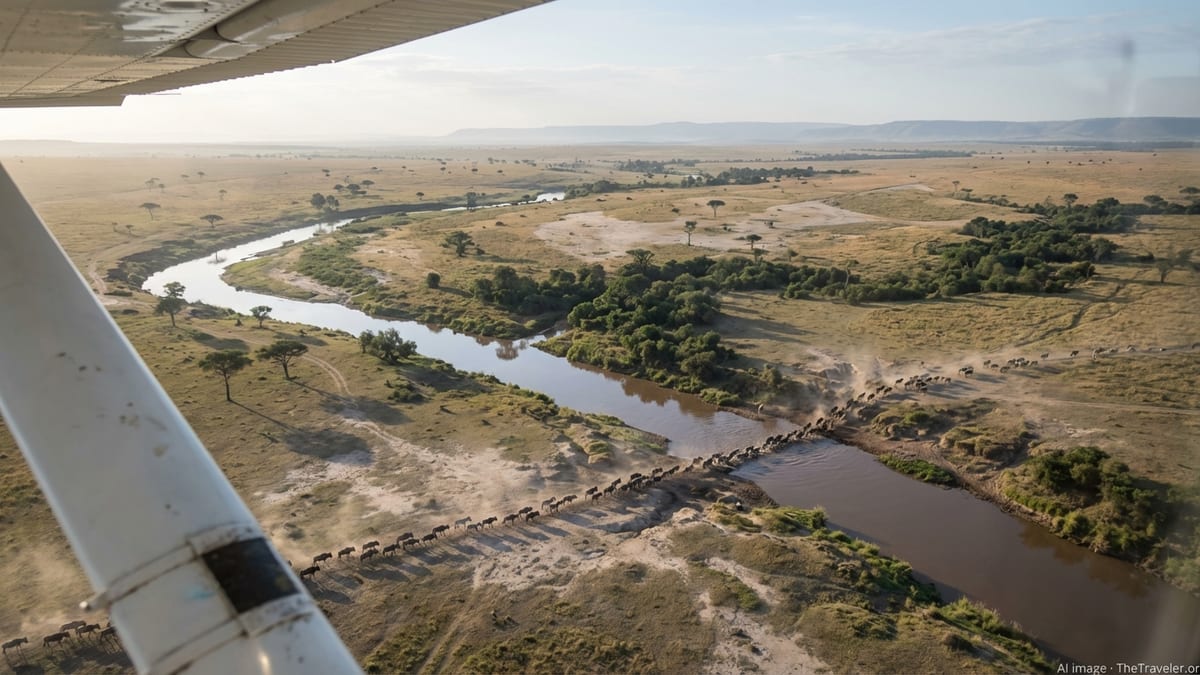
Despite the sharper language on border and coastal risk, the latest UK travel advice makes clear that many of Kenya’s best‑known tourism areas, including safari destinations, do not fall under the highest warning levels. Public summaries of the FCDO guidance note that flagship wildlife areas such as the Maasai Mara, Amboseli, Tsavo, Laikipia conservancies and most of the central highlands are not subject to “advise against travel” designations.
Tourism‑focused briefings that draw on the UK advisory emphasise that tour operators continue to run trips to these parks and reserves, often using dedicated transfer services and vetted accommodation. Industry assessments consulted in November 2026 describe demand from UK travellers as resilient, particularly for safari and beach combinations routed through lower‑risk coastal stretches south of Mombasa, which are not flagged in the strictest category of warnings.
Nonetheless, international advisories recommend that visitors to any part of Kenya stay alert, avoid political gatherings and demonstrations, and follow the safety guidance of their tour company. Periodic protests in Nairobi and other cities can lead to road closures and a heavy security presence, and there is concern that bystanders may be affected if confrontations escalate.
Travel insurance considerations are central to the new messaging. The UK government pages remind travellers that policies purchased in the UK may be invalidated if a trip involves areas where the FCDO advises against all travel or against all but essential travel. Travellers booking overland journeys that skirt the northern or northeastern fringes of popular parks are urged to double‑check that their routes remain within areas considered acceptable by their insurer.
New Health Insurance Rules and Entry Requirements
The tightening of risk language has coincided with new administrative rules that affect all international visitors. Entry guidance published by the UK government and mirrored in Canadian advisories notes that, from 5 October 2026, most travellers visiting Kenya for stays of under 12 months must hold travel health insurance provided through a Kenyan national scheme as part of the country’s electronic travel authorisation system.
Canadian government travel pages updated in early October 2026 also highlight this requirement, explaining that the mandatory local health cover is now integrated into the electronic travel authorisation application for many visitors. This change is intended to standardise minimum health coverage and to support Kenya’s public health measures, which include screening at points of entry and monitoring of travellers considered at higher medical risk.
For UK travellers, the extra layer of Kenyan health insurance sits alongside any private policies purchased at home. Advisory texts encourage visitors to ensure that their own policies continue to cover medical evacuation and travel in regions that are not subject to “advise against” notices, while recognising that conditions can change if security assessments are updated.
Travel health sections of the various national advisories point to additional considerations such as vaccination recommendations, mosquito‑borne disease prevention and contingency plans for medical care in remote safari areas. Prospective visitors are urged, in this public guidance, to review official health and entry information shortly before departure, as rules introduced in 2026 are still bedding in and may be refined.
How Travellers Are Adapting to the Revised Risk Map
Specialist risk dashboards that aggregate government advisories show that Kenya is now classified at a higher relative risk level than some other long‑haul safari destinations, largely because of the concentration of warnings around specific border and coastal counties. However, these same trackers underline that most of the country’s principal tourism corridors do not fall within the highest alert categories.
Published commentary from travel planners and safari experts indicates that visitors are increasingly tailoring itineraries to avoid the zones highlighted in the UK and allied advisories. This can involve opting for flights instead of long road transfers near border regions, scheduling extra nights in lower‑risk hubs like Nairobi and the central highlands, or selecting coastal stays along the more southerly beaches that are not marked as high risk.
Several advisory services encourage UK travellers to consult both the FCDO map and the detailed regional breakdowns provided by other governments before finalising bookings. By comparing the overlap in warnings, travellers can develop a clearer picture of which routes, towns and rural areas are viewed as higher risk at the government level and which remain in line with routine caution.
For now, the message across the main English‑language advisories is that Kenya remains a major African travel destination, but one where paying close attention to geography is critical. The newly tightened UK guidance effectively draws a brighter line around border and coastal pockets while leaving the door open to well‑planned journeys through the country’s renowned wildlife and cultural landscapes.