

More news on this day
UK holidaymakers heading for spring break in Cyprus, Turkey and the Maldives are being urged to check the latest Foreign, Commonwealth and Development Office travel advice as escalating conflict in the Middle East triggers airspace closures, flight disruptions and heightened security checks across popular sun destinations.
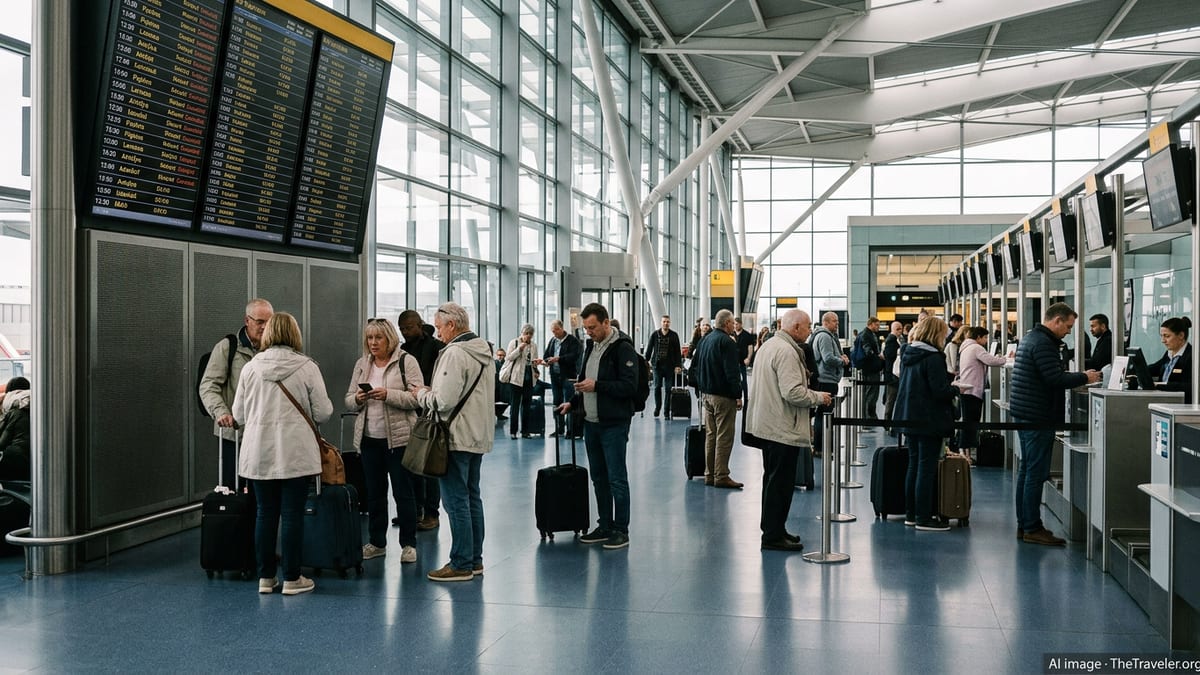
FCDO Tightens Language on Regional Risk but Keeps Routes Open
The Foreign, Commonwealth and Development Office has issued a series of March updates for Cyprus, Turkey and the Maldives that stop short of advising against travel but emphasise the knock on impact of the Iran war and wider Middle East instability on nearby routes and hubs. Officials have highlighted the possibility of sudden airspace closures, flight rerouting and delays even for trips that do not transit conflict states directly.
For Cyprus, the latest advisory follows a confirmed drone impact at the RAF Akrotiri base on the island at the start of March and subsequent reinforcement of British and allied forces in surrounding waters. The FCDO notes that the incident and any further regional escalation could cause disruption to flights and ferry services, while reiterating that tourist areas remain calm and that there is currently no advice against travel.
Guidance for Turkey continues to flag a long standing terrorism risk in certain border provinces and to parts of the south east, where the FCDO already advises against all or all but essential travel. The new updates link these warnings more explicitly to regional spillover, underlining that heightened tensions can lead to more visible security measures at airports and transport hubs during the busy Easter and Ramadan period.
In the Maldives, where UK visitors form one of the largest long haul markets, the FCDO has updated its language to focus on global aviation disruption. British tourists are being reminded that flights routed through Gulf and Middle Eastern hubs remain vulnerable to last minute schedule changes as airlines adjust to airspace restrictions and higher operating costs.
Cyprus: Safe Beaches, Military Activity in the Background
Cyprus is expected to be one of the most popular Mediterranean choices for UK families over the Easter school holidays, with airlines and tour operators reporting strong bookings to Larnaca and Paphos. On the ground, daily life and tourism activities continue largely as normal, from beachfront resorts to historic sites, but the FCDO is urging visitors to be aware of increased military movements associated with the British Sovereign Base Areas.
The updated advice highlights the drone impact at RAF Akrotiri and notes that additional aircraft and naval assets have been deployed to the region. Travellers may see or hear more low flying military jets and transport planes than in previous seasons, particularly along the south coast. Local authorities insist that tourist zones remain unaffected, and there is no indication of a direct threat to holidaymakers.
What British visitors are more likely to notice are operational changes at airports and ports. Security screening at Larnaca and Paphos has been stepped up, with passengers advised to arrive earlier than usual to clear check in and control points. The FCDO also warns that any further escalation in the wider conflict could lead to temporary rerouting or holding of flights using Cypriot airspace, which may translate into delays or missed connections for UK travellers.
Despite this, the government continues to describe Cyprus as a safe and friendly destination. The FCDO is encouraging tourists not to cancel trips solely based on headlines, but to stay informed via official channels, monitor local media once on the island and follow instructions from tour representatives and local authorities if the security posture changes.
Turkey: Popular Cities Open, Localised Warnings Remain
Turkey is another major beneficiary of the UK spring getaway, with Istanbul, Antalya, Bodrum and Dalaman all gearing up for an influx of visitors as temperatures rise. The FCDO advice confirms that these core coastal and city destinations remain open to tourists, and that airports and major resorts are operating normally despite the regional tensions.
At the same time, the Foreign Office continues to advise against travel to areas near the Syrian border and to certain parts of the south east, citing the enduring risk of terrorism and sporadic cross border incidents. These restrictions are not new, but in its March updates the FCDO has reminded travellers that security alerts can change rapidly and that demonstrations or political gatherings may be met with a strong police presence in some urban areas.
Holidaymakers flying into Turkey over the coming weeks are being told to allow extra time for airport security, particularly at Istanbul and other major hubs that serve as connectors between Europe and Asia. Carriers may also alter routings at short notice to avoid sensitive airspace, which can add time to journeys or require rebookings. Passengers are urged to keep contact details up to date with their airline and to check flight status on the day of travel.
The overall message from UK officials is that leisure travel to Turkey’s main resort regions can continue, provided visitors pay attention to local guidance and avoid any areas subject to FCDO warnings. Travellers are also reminded to review their insurance documents carefully to ensure they are covered for regions they plan to enter and for disruption related to security events.
Maldives: Long Haul Paradise Facing Airline Disruptions
The Maldives, a classic choice for honeymooners and high end spring break escapes, is feeling the impact of the Middle East conflict more acutely through its dependence on Gulf and regional transit hubs. Recent figures from Maldivian tourism authorities show a marked slowdown in arrivals in early March compared with last year, with officials attributing much of the decline to airspace closures and flight cancellations on key long haul routes.
The FCDO’s refreshed advice for the Indian Ocean archipelago focuses less on domestic security concerns and more on the wider aviation picture. With many British travellers connecting through Doha, Dubai or other regional hubs, any closure or restriction of Middle Eastern airspace can trigger cascading disruption for journeys to and from Malé. Some airlines have already trimmed frequencies or rerouted services, resulting in longer flight times and more complex connection patterns.
UK travellers planning Maldivian breaks are being urged to keep itineraries flexible and to budget extra time both at the start and end of their trips. Authorities in Malé have advised local resorts and guesthouses to stay in close contact with guests about any schedule changes and to be ready to adjust transfer timings for seaplanes and speedboats if international arrivals are delayed.
For British visitors, the practical implication is clear: monitoring airline communications is now as important as checking the weather forecast. The FCDO also recommends that travellers confirm that their insurance covers missed connections and extended stays caused by airspace closures or security related disruption along their route.
What UK Travellers Should Do Before and During Their Trip
As schools in England, Scotland and Wales approach the spring break period, the FCDO’s overarching advice for those heading to Cyprus, Turkey or the Maldives is to prepare for a more fluid travel environment than in previous years. Officials urge travellers to consult the relevant country pages shortly before departure and again while abroad, as security assessments and transport information are being refreshed frequently in response to events.
Checking airline and tour operator updates has become essential rather than optional. Passengers are advised to download carrier apps where possible, enable notifications and verify departure times before setting out for the airport. Many travel companies are allowing greater flexibility on date changes or destination switches when flights are caught up in regional disruption, but policies can vary significantly.
Insurance is another critical consideration. The FCDO reminds travellers that some policies may not provide cover if a person travels against official advice, or may exclude claims arising from war or terrorism. While the current guidance does not tell holidaymakers to avoid Cyprus, most of Turkey or the Maldives, the changing security backdrop means it is vital to read policy wording carefully and to consider upgrading cover where necessary.
Once in destination, British nationals are encouraged to register for FCDO email alerts and to keep copies of passports and key documents separate from valuables. Officials say that for the vast majority of visitors, spring break in these destinations should still mean beach days and city breaks rather than crisis management, but stress that staying informed and flexible will be the best way to navigate a season shaped by events far beyond the usual holiday brochure.