


More news on this day
The United Kingdom has tightened its travel advice for Kenya, warning against all but essential travel to the northern border town of Moyale after weeks of violence in neighbouring Ethiopia spilled across the frontier, disrupting trade routes and raising safety concerns for travellers.
Get the latest news straight to your inbox!
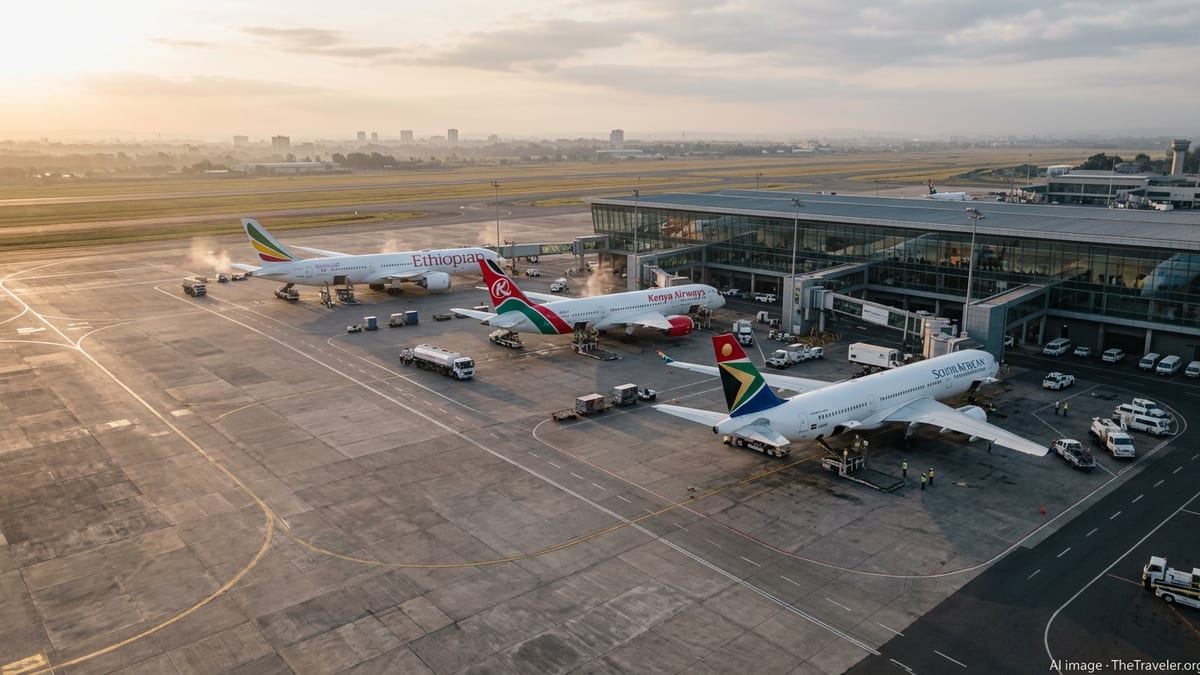
New UK Guidance Focuses On Moyale Border Corridor
According to updated Foreign, Commonwealth and Development Office (FCDO) guidance published on 6 November 2026, the UK now advises against all but essential travel to Moyale Town and an area up to 5 kilometres around it, including the border with Ethiopia. The change is highlighted among the main warnings on the Kenya country page and specifically flagged as a new restriction for the Kenya–Ethiopia frontier.
Regional risk mapping for Kenya on the FCDO site states that violence in the Ethiopian town of Moyale has affected the border area since October 2026, including on the Kenyan side. Publicly available information notes reports of stray gunfire, unexploded ordnance and projectiles landing in and up to 3 kilometres around the Kenyan town, causing fatalities and injuries. Travellers are advised that the security situation remains unpredictable and could deteriorate without warning.
The revised guidance sits alongside longer standing UK warnings covering other high‑risk regions, including areas near the Somalia border, parts of the north‑eastern counties and sections of the coast. However, Moyale is now singled out as a distinct hotspot on the northern corridor linking Nairobi and Addis Ababa, underlining how quickly localised conflict in Ethiopia is reshaping risk assessments on the Kenyan side.
Travel‑risk monitoring services summarising the update now list Moyale as an area to avoid except for essential reasons, echoing the UK government language and stressing that insurance cover may not apply if travellers deliberately enter areas subject to adverse official advice.
Cross‑Border Violence Disrupts Trade And Triggers Displacement
The tightening of the UK advisory follows a month of escalating clashes around Moyale on the Ethiopian side of the border. International media coverage describes sporadic but sustained gunfire around the town, with truck traffic backed up at the crossing and commercial movement along the corridor severely disrupted as drivers wait for assurances that it is safe to proceed.
Reporting from humanitarian agencies and news outlets indicates that tens of thousands of people have crossed into Kenya to escape the fighting. The Kenya Red Cross and United Nations bodies estimate that more than 50,000 people, mostly women and children, have sought safety in and around Moyale in recent weeks. Local leaders have publicly appealed for additional support to cope with the influx and to reinforce security along the frontier.
The Moyale crossing is the main official land border point between Kenya and Ethiopia on the strategic A2 highway. The road, fully paved north of Isiolo, is a vital trade route for both countries, carrying fuel, food and manufactured goods between Nairobi and Addis Ababa. Disruption at this single crossing therefore has outsize implications for regional supply chains and for overland travellers using the trans‑East African highway network.
While most of the violence has taken place on the Ethiopian side, the UK update reflects concern that stray fire and indirect projectiles are already affecting Kenyan territory close to the line of the border. Humanitarian briefings refer to reports of unexploded ordnance near settlements, prompting calls for people to avoid unfamiliar objects and for any clean‑up operations to be handled by specialist teams.
What The Advisory Means For UK Travellers
The FCDO’s shift to advise against all but essential travel has practical consequences for UK nationals planning overland journeys in northern Kenya. Public guidance on the government site notes that travelling to areas where such advice is in place is likely to invalidate standard travel insurance policies. Travellers are urged to check policy wording carefully and confirm with providers before entering any region subject to heightened official warnings.
For those who still need to cross the Kenya–Ethiopia border for essential reasons, including aid work or critical business, the UK travel advice highlights specific precautions. Vehicles using the Moyale crossing are told to remain on the A2 road and drive directly south to Marsabit before breaking their journey, reducing time spent close to the frontier and in smaller settlements where security conditions may be more volatile.
The update does not amount to a blanket warning against visiting Kenya. Popular tourism areas such as Nairobi, the central highlands and major safari destinations in the Maasai Mara and along parts of the coast remain outside the zones where the UK advises against travel, although visitors are still urged to exercise a high degree of caution and stay informed about regional developments. Other governments, including Canada, Australia and the United States, also maintain advisories that highlight elevated risks in northern border counties and encourage travellers to avoid non‑essential journeys in those regions.
Entry rules for Kenya themselves have not been substantially altered by the security situation around Moyale. However, separate regulatory changes now require most visitors staying for less than 12 months to hold Kenyan government‑provided travel health insurance, in addition to any cover purchased in their home country. Travellers are encouraged to confirm current health and entry requirements through official channels before departure.
Impact On Overland Routes Between Nairobi And Addis Ababa
The situation in Moyale is reshaping how overland travellers and operators think about the classic Nairobi to Addis Ababa route. The A2 and connecting roads through Isiolo, Marsabit and Moyale have, in recent years, become the primary corridor for freight, bus services and private vehicles moving between the Kenyan and Ethiopian capitals after extensive upgrades to the tarmac highway.
With reports of intermittent closures and delays at the Moyale crossing, some logistics firms have begun staggering departures or temporarily pausing services pending clearer security assessments. Overland tour operators with itineraries that would normally cross at Moyale are reviewing alternatives, including rerouting journeys entirely within Kenya or rescheduling cross‑border segments to later dates in the season.
For independent travellers, current public information suggests that detouring to another official land border is not a realistic short‑term option, since Moyale is the only major legal crossing point for vehicles between the two countries. Air travel between Nairobi and Ethiopian destinations therefore remains the most practical workaround for those who need to move between Kenya and Ethiopia while overland conditions remain unstable.
Travel‑safety specialists caution that journey planning in northern Kenya requires a high tolerance for change at short notice. Advisories emphasise the need to monitor updates from both Kenyan authorities and foreign governments, remain flexible with routing and timing, and avoid travelling after dark or without reliable local knowledge.
Staying Informed As The Situation Evolves
Given the fluid nature of the conflict near Moyale, the UK travel advisory for Kenya is described as under active review. The FCDO Kenya page carries a timestamp showing it was last updated on 6 November 2026, and travellers are encouraged to sign up for email alerts so they are notified if risk assessments change again before or during a trip.
Travel‑advice services that track multiple government sources note a broad consensus that the northern border region, particularly Marsabit County near Moyale, currently presents a higher risk profile than Kenya’s primary tourist circuits. Summaries produced by these services echo the call to avoid Moyale unless travel is essential and to treat the wider Kenya–Ethiopia border zone with heightened caution due to banditry, cross‑border clashes and the presence of armed groups.
Prospective visitors are advised to follow a layered approach to information, combining official advisories with reputable international and local news coverage in order to gain a clearer picture of developments on the ground. Where plans involve remote or high‑risk regions, many risk‑management providers also recommend working with operators who have recent experience in the area and contingency procedures for route adjustments or evacuations if conditions deteriorate.
While much of Kenya remains open to tourism and business travel, the tightening of UK guidance for Moyale underscores how regional conflicts can rapidly alter the risk landscape, particularly along sensitive border corridors. For now, travellers contemplating journeys through northern Kenya and into Ethiopia face a more complex planning environment, in which staying informed and maintaining flexibility are central to safe movement.