

More news on this day
UK tourists travelling to Spain over Easter 2026 are being warned to brace for potential airport strikes, lengthy border checks and knock-on flight disruption at some of the country’s busiest holiday gateways.
Get the latest news straight to your inbox!
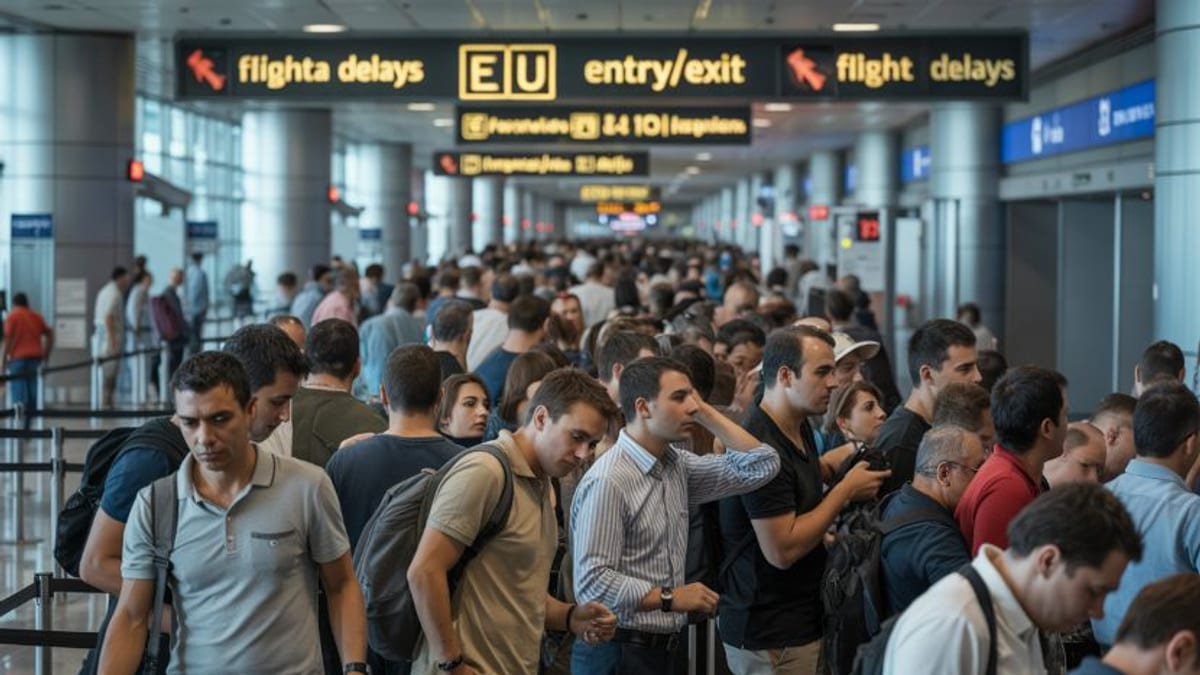
Image by Travel And Tour World
Ground staff strikes threaten peak Easter services
Industrial action by airport ground handling staff at major Spanish airports is expected to coincide with the peak Easter getaway, raising the risk of disruption for UK holidaymakers. Reports from Spanish media and travel outlets indicate that workers at handling companies including Groundforce and Menzies Aviation have called stoppages around the Easter Holy Week period, citing disputes over pay, staffing and working conditions.
According to recent coverage, Groundforce staff serving a dozen airports across Spain have announced an indefinite strike built around recurring stoppages on key travel days. Walkouts are scheduled in time bands covering early morning departures, busy midday waves and late evening services, a pattern that is likely to hit leisure flights linking the UK with Spain’s coastal resorts and islands.
The industrial action affects some of Spain’s most frequented airports for British visitors, including Madrid Barajas, Barcelona El Prat, Málaga Costa del Sol, Alicante Elche, Palma de Mallorca, Valencia and several Canary and Balearic island hubs. While Spanish regulations typically require a minimum level of service to be maintained, experience from previous disputes suggests that longer queues, delayed baggage and schedule changes are still possible.
Travel industry reports stress that not every flight will be cancelled or severely delayed, but the combination of Easter demand and reduced staffing on the ground makes the system more fragile. Even relatively small slowdowns in baggage loading, aircraft turnaround or stand allocation can trigger ripple effects through the day’s timetable.
Border checks and new EU systems add to queue concerns
On top of strike action, UK travellers are being advised to expect more time at passport control as Spain continues to adjust to new EU border procedures for non-EU nationals. Publicly available information on the roll-out of the EU’s Entry/Exit System and related biometric checks shows that trials and phased implementation are under way at several Spanish airports, with full use expected across the Schengen area in 2026.
Specialist travel advisories note that the first trip into the Schengen zone after the new system is activated usually involves biometric enrolment at a kiosk or staffed booth. For UK visitors, who are now treated as third-country nationals after Brexit, this can lengthen processing times at busy arrival banks until the system settles down.
Local media in Spain and traveller accounts have highlighted occasional bottlenecks at border gates during test periods and technical glitches, including temporary switchovers to manual passport stamping when automated systems fail. Concerns have been raised that similar issues over the Easter peak could translate into lengthy queues at popular island and coastal airports used heavily by British package tourists.
UK government travel advice for Spain continues to stress the need for valid passports that meet Schengen rules, and for passengers to allow extra time for border checks at busy periods such as Easter. Travel commentators suggest that, this year, the combination of holiday crowds and evolving technology could make passport control a particular pinch point.
Flight delays likely around Good Friday peak
Forecasts from aviation data firms and travel platforms point to Good Friday, 3 April, as one of the most disruption-prone days of 2026 at UK and European airports. Analysts tracking recent performance data and current strike calendars warn that high traffic volumes, unsettled spring weather and staffing disputes across the continent could converge during the Easter long weekend.
In Spain, recent storms and strong winds linked to this winter’s European weather systems have already forced air traffic control to slow arrivals and departures at times, creating backlogs at key hubs. Industry reports show that Spain has been among the countries most exposed to weather-related flow restrictions in recent seasons, with knock-on effects for short-haul networks linking British cities to Mediterranean destinations.
For UK travellers heading to or from Spain, this means that even flights not directly affected by ground staff strikes or local weather could still face delays if they rely on aircraft or crew coming from another disrupted airport. Tight turnarounds, full loads and congested airspace during the Easter rush leave little margin to absorb small schedule shocks.
Travel operators note that some carriers have added limited extra capacity for the season, but there is little indication of large-scale relief flights that could easily re-accommodate passengers in the event of major disruption. As a result, delays may translate more quickly into missed connections, curtailed short breaks and overnight stays when things go wrong.
What UK holidaymakers can do before they travel
Consumer groups and travel industry commentators are urging UK passengers bound for Spain to take practical steps in advance of their Easter trips. Airlines increasingly encourage customers to use mobile apps for real-time updates on gate changes, delays and rebooking options, which can be crucial during strikes and congestion.
Travellers are widely advised to arrive at the airport earlier than usual over the Easter period, particularly on days directly affected by Spanish ground handling strikes. Arriving three hours before departure is now frequently recommended for short-haul European flights at peak times, and some carriers are issuing their own guidance in booking confirmations and email reminders.
Where possible, travel experts suggest using cabin baggage only to reduce pressure on checked-in luggage systems that are vulnerable during industrial disputes. When bags must be checked, clearly labelling them and packing essential medication, travel documents and a change of clothes in hand luggage can soften the impact of any baggage delay.
UK tourists are also encouraged to review their travel insurance policies to confirm coverage for strike-related disruption, missed connections and additional accommodation costs. Industry comparisons show that policies vary in how they treat industrial action, so checking terms before departure can avoid unexpected gaps in protection.
Managing the arrival and return journey
Once in Spain, UK visitors may find that local conditions differ between airports, even on the same strike day. Reports from previous industrial actions show that some hubs experience only minor disruption while others endure long queues at security, check-in or passport control. Monitoring local news and airport updates can help travellers adjust their plans, such as allowing extra time for transfers back to the airport.
Border control queues are a particular concern on the return leg for flights from popular holiday islands and coastal resorts. Recent traveller reports from airports such as Málaga, Palma de Mallorca and Lanzarote describe busy afternoon and evening departure peaks where non-EU passport queues move more slowly than EU lines. Passengers are therefore advised not to rely on tight schedules when returning hire cars or travelling in from resort areas.
At UK airports, arrivals over the Easter weekend may also be affected by crowding and weather. Past windstorms and heavy rain have periodically reduced runway capacity at major British hubs, leading to holding patterns in the air and delays in disembarkation and baggage reclaim. With many flights from Spain arriving within narrow time windows, even modest hold-ups can produce long waits at immigration halls and taxi ranks.
Travel analysts recommend that returning passengers build in flexible onward plans from the airport, avoiding last-train cut-offs or fixed appointments shortly after scheduled arrival. Allowing a buffer of several hours can reduce stress if queues or delays materialise, especially on Good Friday and Easter Monday when public transport options may be more limited or operating on holiday timetables.