

More news on this day
British travellers already grappling with rising prices across Europe now face another financial hurdle, as Australia confirms a sharp increase in a key visa fee to AUD 4,600, intensifying global concerns about the soaring cost of international travel in 2026.
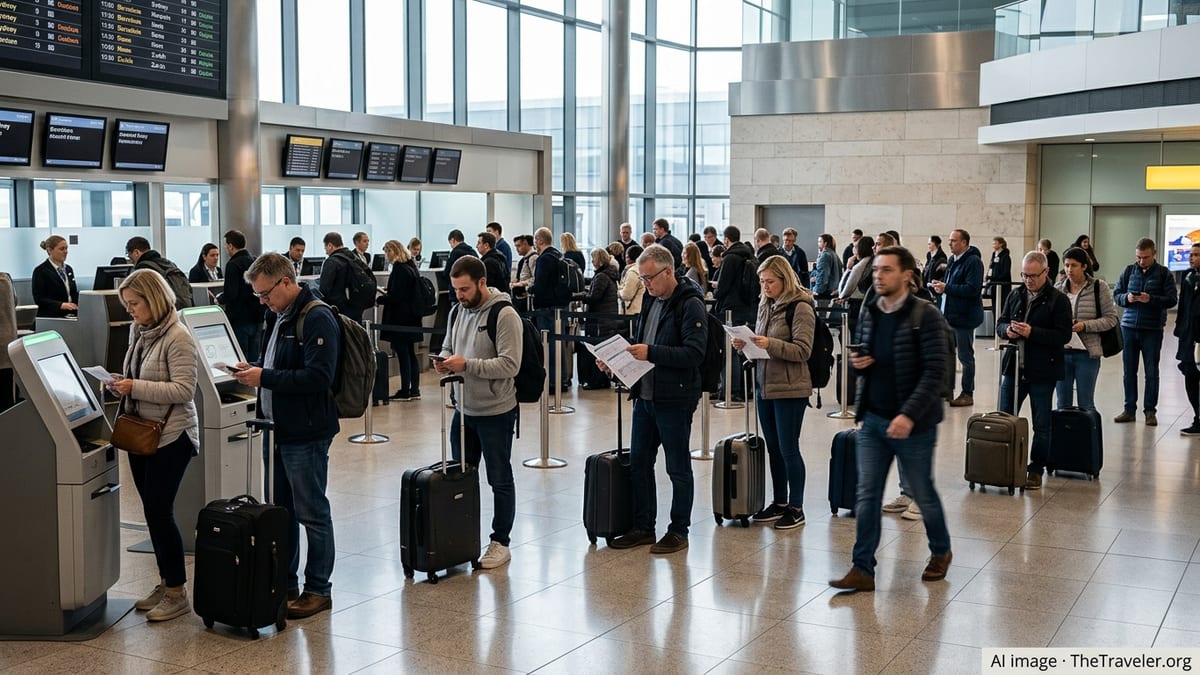
Australia’s AUD 4,600 Visa Fee Piles Pressure on Long-Haul Travel
Australia’s latest budget measures include steep increases to selected visa application charges, with business innovation and investment routes among those seeing surcharges of around 40 percentage points on top of recent indexation. While standard visitor visas remain far cheaper, the headline figure of AUD 4,600 for certain categories has sent a chill through the premium end of the market, reinforcing a wider narrative that cross-border mobility is becoming more expensive and exclusive.
Travel agents in London say the change is already prompting high-net-worth clients and would-be long-stay visitors to rethink or delay Antipodean itineraries. For families combining Europe and Australia in a single extended trip, the higher visa cost is now a noticeable line item in the overall budget, on top of rising airfares and accommodation rates. Tour operators report that some travellers are shortening their Australian stays to offset the added upfront cost.
The move comes as global governments seek to align visa and passport fees with inflation and administrative costs, but consumer advocates warn that sudden price spikes risk dampening demand from key markets such as the United Kingdom and Europe. In practical terms, the new charges are expected to have the greatest impact on longer, higher-value stays, even as Australia continues to court international visitors with a strong post-pandemic tourism rebound.
UK Holidaymakers Squeezed by Higher Prices at Home and Abroad
For British travellers, the Australian visa hike lands at a time when the cost of a traditional European holiday is already climbing. Industry data for 2025 and early 2026 show that package prices from the UK have risen significantly, with a typical seven-night all-inclusive break now frequently costing between £900 and £1,500 per person, depending on destination and season. Travel firms say many customers are surprised at how quickly costs have escalated compared with just a few years ago.
Higher airfares, fuel costs, and hotel rates across the continent are all feeding into British holiday budgets. While demand remains resilient, UK households facing domestic cost-of-living pressures are becoming more selective, often trading down on hotel category, trimming the length of stays, or choosing closer destinations to keep flight costs in check. Travel agents also note a stronger preference for early booking to lock in prices before further increases.
At the same time, new or impending taxes within the United Kingdom, such as a forthcoming visitor levy on overnight stays in Edinburgh, will add incremental costs for both domestic and inbound tourists. In a climate where every extra charge is keenly felt, the perception among UK travellers is that the financial barrier to international trips is rising on multiple fronts, from local tourist levies to distant visa counters.
Europe’s Tourism Powerhouses Wrestle With Inflation and New Taxes
Across mainland Europe, major destinations including Spain, Italy, Germany, Denmark, Switzerland, and Bulgaria are all contending with the twin forces of strong demand and persistent price pressures. Recent European Travel Commission and economic outlook reports highlight that travel spending in late 2025 grew faster than arrivals, indicating that visitors are paying more per trip even when overall numbers have stabilised.
Spain and Italy, which continue to rank among Europe’s top tourism earners, have seen accommodation prices and ancillary costs climb in popular regions such as Andalucia and coastal resort areas. Local authorities in parts of Spain have expanded or increased tourist taxes, particularly in cities and islands struggling with overtourism and housing pressures. Travellers report that everyday expenses such as dining out and car hire have become noticeably more expensive compared with pre-pandemic norms.
In Switzerland and Denmark, already among Europe’s higher-cost destinations, broader cost-of-living increases and wage growth have kept service prices elevated. Germany and Bulgaria, though very different in income levels, are also experiencing inflation-related strains, with transport, food, and hospitality all rising. Analysts note that while inflation has cooled from its peak, many tourism-facing businesses have locked in higher prices to cover energy, staffing, and financing costs, creating a new baseline that is unlikely to reverse.
New Levies and Entry Systems Add to the Cost Burden
Beyond headline accommodation and airfare increases, a growing patchwork of taxes and travel authorisations is adding complexity and cost for visitors. Across Europe, new or expanded tourist levies are being rolled out in response to surging visitor numbers and local budget constraints. In Spain, coastal and island regions apply nightly accommodation taxes, while other countries are discussing similar measures or modest surcharges on cruise calls and short-term rentals.
Looking ahead, the European Union’s upcoming travel authorisation system for visa-exempt visitors is expected to introduce a small but unavoidable additional fee for many non-EU travellers. While inexpensive compared with airfares or hotel stays, it will nonetheless be another line item in trip planning, particularly for frequent visitors who move in and out of the bloc several times a year.
Within the United Kingdom, city-level visitor levies are likely to become more common, inspired by long-standing city taxes in continental Europe. Edinburgh is preparing to apply a percentage charge on paid overnight stays from mid-2026, a move that hoteliers say will be carefully watched by other UK destinations. For travellers used to paying a single bundled rate, the proliferation of separate fees can make it harder to gauge the true total cost of a holiday from the outset.
Travellers Adjust Habits as Value Becomes the New Priority
The combined impact of Australia’s higher visa charges, rising European travel costs, and new tourism taxes is prompting travellers from the UK and across Europe to reassess how and where they spend. Industry surveys suggest more people are booking shoulder-season or off-season trips, opting for second-tier cities instead of headline capitals, and considering alternative destinations outside Western Europe that still offer good infrastructure but lower daily costs.
At the same time, there is growing interest in all-inclusive packages, which allow holidaymakers to lock in most of their spend in advance and shield themselves from on-the-ground price shocks. Travel professionals say that value, rather than the lowest possible price, has become the key decision driver, with customers scrutinising what is actually included and how flexible their bookings are if costs or circumstances change.
For now, the appetite for travel remains robust, with tourism boards in Spain, Italy, Germany, Switzerland, Denmark, Bulgaria, and the United Kingdom all reporting strong or recovering visitor numbers. Yet the escalation in fees and everyday expenses, exemplified by Australia’s AUD 4,600 visa charge at the upper end of the market, underscores a clear shift: international travel in 2026 is increasingly a premium purchase, requiring more planning, budgeting, and trade-offs from the average holidaymaker.