

More news on this day
The UK government has issued its starkest warning yet to British nationals in Israel and the Palestinian territories, urging them to leave immediately as regional conflict intensifies, airspace tightens and the risks to personal safety and consular support grow sharply.
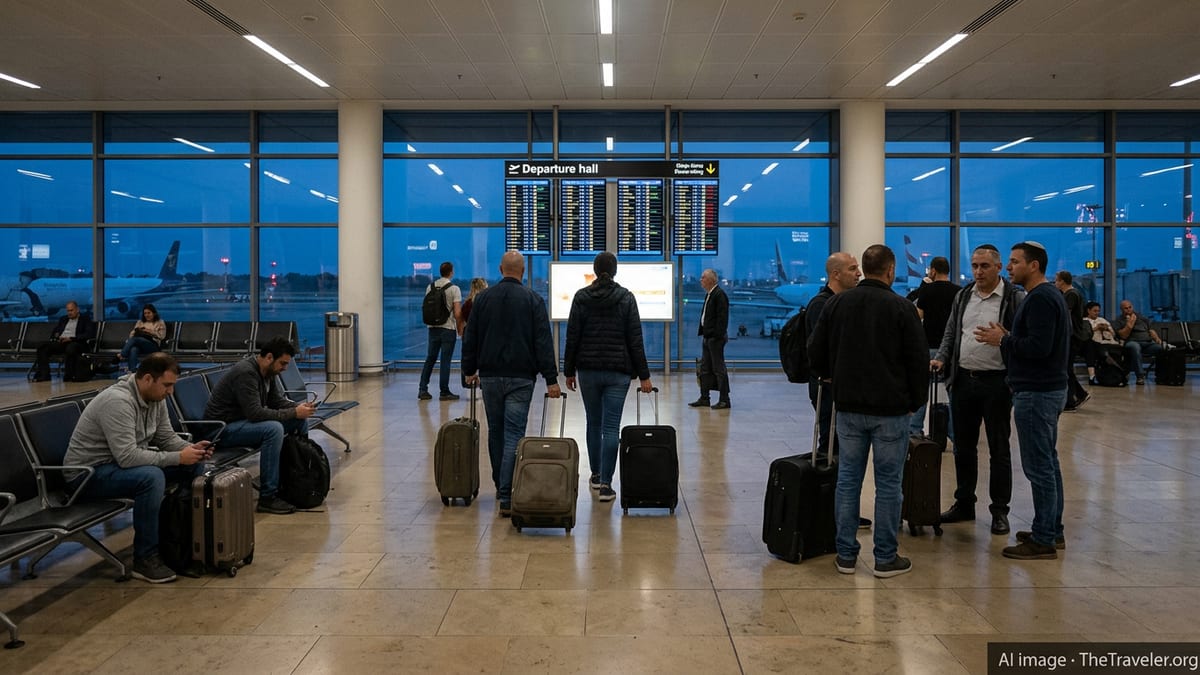
Foreign Office strengthens travel warning amid escalating conflict
The Foreign, Commonwealth and Development Office (FCDO) now advises against all travel to both Israel and Palestine, upgrading what had recently been guidance to avoid all but essential travel to large parts of the region. The shift follows days of intensified military action involving Israel and Iran, as well as wider regional tensions affecting neighbouring states.
Updated travel advice published in early March makes clear that the security environment has deteriorated to the point that the UK government considers any trip to Israel or the Palestinian territories to carry unacceptable risk. Officials point to the possibility of further missile and drone attacks, unpredictable flare-ups of violence on the ground and the potential for sudden restrictions on movement.
The FCDO stresses that the warning applies to all parts of Israel and the Occupied Palestinian Territories, including areas that tourists might traditionally consider safer, such as Jerusalem, Tel Aviv and popular religious and historical sites across the West Bank. Travel insurance may be invalidated if travellers choose to ignore official advice.
Ministers have repeatedly underlined that the UK government’s ability to provide emergency assistance could be severely limited if the conflict escalates further, particularly if key border crossings are closed or commercial flights are suspended at short notice.
British nationals told to leave now while commercial routes remain
Alongside the blanket warning against travel, the FCDO is urging UK nationals already in Israel or Palestine to leave as soon as it is safe to do so, using commercial routes where they are still operating. Officials caution that travellers should not wait for a government-organised evacuation, warning that such operations may not be possible if the situation deteriorates quickly.
Recent updates highlight the fragility of air links in and out of Israel, with Israeli airspace subject to periodic closures and international carriers reviewing or cancelling services at short notice. Travellers are being advised to check with airlines regularly, have flexible plans and be prepared for sudden changes to departure times or routes.
For those moving overland, the government notes that some crossings into neighbouring countries have become key pressure points and may be subject to long queues, sporadic closures and heightened security checks. A British embassy team has been deployed to the Egyptian side of the Taba border crossing to direct UK nationals towards onward travel options to Sharm El Sheikh Airport, underlining how limited and improvised exit routes may become.
The FCDO is also reminding British nationals to ensure their passports are valid, keep essential documents and medicines to hand, and travel with sufficient funds in case of extended delays or the need to rebook flights and accommodation at short notice.
Registering presence and following local instructions
British nationals who remain in Israel or Palestine are being strongly encouraged to register their presence with the UK government. This registration allows the FCDO to send direct security updates, track how many citizens are in affected areas and prioritise consular assistance if routes out of the region become more constrained.
Authorities emphasise that those on the ground must closely follow instructions from local security and emergency services, including shelter-in-place orders, curfews and guidance on avoiding specific areas. Israel’s Home Front Command has issued detailed advice on where to seek shelter during missile alerts, including the use of protected rooms and communal shelters where available.
Within the Palestinian territories, movement restrictions, checkpoint closures and local security advisories can change rapidly. The FCDO warns that travel between cities in the West Bank, and in and out of Gaza where movement is already severely curtailed, may be impossible at times. Travellers are urged not to attempt risky journeys or to rely on routes that may have been open only hours earlier.
Officials reiterate that all internal travel within Israel and Palestine is undertaken at personal risk, and that conditions can change faster than official travel advice can be updated, making real-time monitoring of local media and alerts essential.
Impact on tourists, business travellers and diaspora visitors
The strengthened travel warning has major implications for UK tourists, business visitors and members of the British Palestinian and Jewish diasporas who routinely travel to the region. Many have already seen their trips disrupted or cancelled as tour operators suspend itineraries, airlines adjust schedules and insurers reassess cover.
Travel industry sources report a sharp rise in calls from customers seeking to reroute journeys or claim refunds for planned visits during the busy spring period. Operators are closely tracking FCDO guidance, as official “do not travel” advisories often trigger policy clauses that allow travellers to rebook or cancel, depending on individual terms and conditions.
For those already in the region for family visits, religious pilgrimages or business engagements, the advice to leave at the earliest safe opportunity is creating difficult personal decisions. Some are weighing the risks of staying to support relatives against the possibility that exit routes could close without warning if the conflict broadens.
The FCDO acknowledges the emotional and practical strain on affected communities but maintains that the rapidly changing security picture leaves little room for complacency. Officials say the priority is to reduce the number of British nationals in areas where the UK government may soon be unable to offer meaningful assistance.
What travellers should do now
UK nationals currently in Israel or Palestine are being urged to act quickly: review their options to leave, contact airlines or travel agents, register their presence with the FCDO, and keep family and friends in the UK informed of their plans. Those who decide to remain, whether by choice or because they cannot yet secure a viable route out, are advised to prepare for extended disruption and limited consular access.
Prospective travellers who had booked trips for later in the year are being told not to travel until the FCDO advice changes. They should instead speak with tour operators, airlines and insurers about amendments or cancellations, keeping written records of all communications and checking the fine print of their policies.
Officials underline that the situation across the wider Middle East is fluid, with the potential for spillover effects on neighbouring countries and key transit hubs. British travellers with multi-stop itineraries involving the region are advised to reassess their plans even if their final destination is outside Israel and the Palestinian territories.
With the crisis still unfolding, the FCDO says its travel advice will remain under constant review. For now, however, the message to UK nationals is explicit and urgent: do not travel to Israel or Palestine, and if you are already there, leave while you still can.