

More news on this day
Planning a long haul escape in 2026 could cost significantly more before you even board a plane, as the United Kingdom joins Japan, Australia and the United States in rolling out higher visa, authorisation and border fees that will hit many international travelers’ budgets.
Get the latest news straight to your inbox!
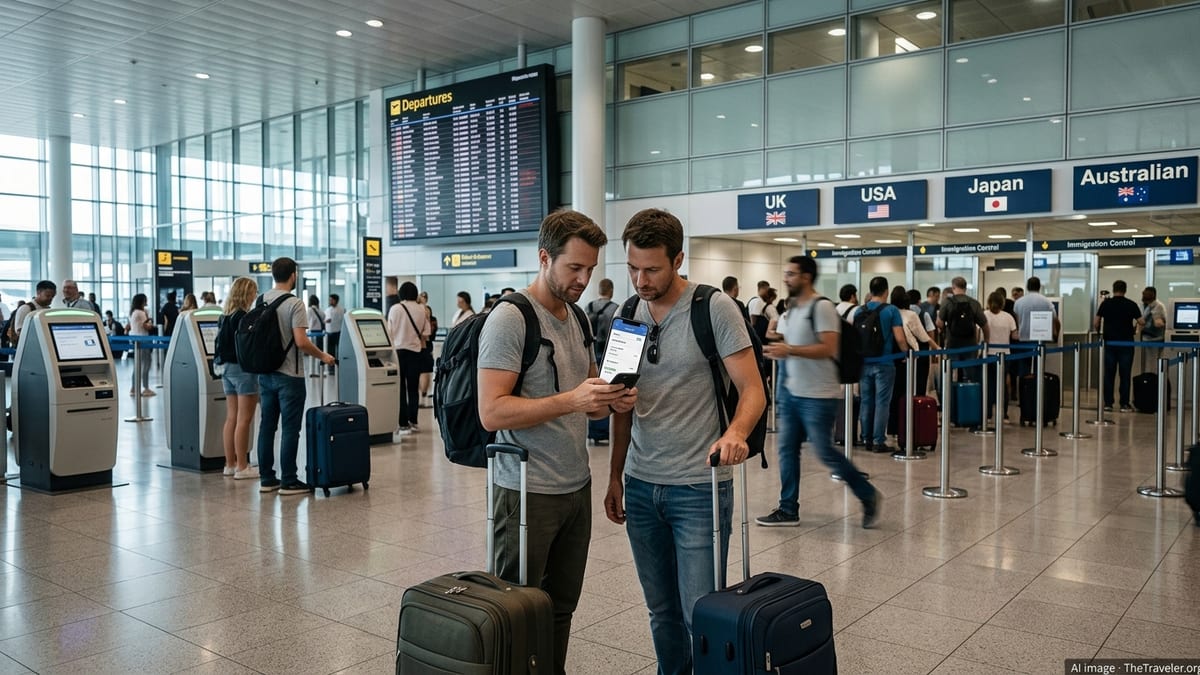
UK Tightens the Screws With Higher Visa and ETA Charges
The United Kingdom is moving ahead with a series of immigration and travel fee increases that will continue into the 2025 to 2026 period. Government documents and specialist immigration briefings indicate that most visa and nationality fees are rising from April 2025, with the Home Office explicitly linking higher charges to the goal of funding the system through user payments rather than general taxation.
Tourist and short stay visitors from visa free countries are not exempt from the trend. The new UK Electronic Travel Authorisation, which is being phased in for most non visa nationals, is scheduled to rise from 10 pounds to 16 pounds per traveler. Budgeting notes in the Spring 2025 fiscal publications show that this increase is part of a wider package of higher fees across visas, sponsorship and passport products running through the 2025 to 2026 financial year.
For travelers who do need a full visa, various published fee tables show increases across visit, work, study and settlement categories from April 2025. While the headline percentage jumps often look modest on paper, the absolute amounts can add up quickly for families applying together or for travelers who must pay additional health surcharges and biometric charges on top of the main visa fee.
With the UK signaling that fee uplifts are now a regular feature of its annual immigration updates, travelers planning trips into 2026 may face a steadily rising baseline cost simply to secure the right to enter the country, especially if they require longer stay or multi year permissions.
Japan Targets 2026 for Its First Major Visa Hike in Decades
Japan, which has enjoyed record breaking tourism numbers, is preparing its own step change in fees. Coverage in Japanese and international media in late 2025 reported that the government plans to raise visa issuance charges for foreign visitors in fiscal 2026, in some cases by up to five times the current level. Officials have framed the move as a way to bring Japan closer to United States and European price levels and to help manage overtourism pressures.
Reports indicate that the current 3,000 yen single entry visa fee could be substantially increased after remaining unchanged since the late 1970s. The planned hike would coincide with other revenue raising tools already in place, including Japan’s departure tax, which is added to most air tickets and has become an important stream as visitor numbers surged past pre pandemic records.
Media analysis suggests that Japan’s higher visa fees are part of a broader recalibration of how inbound tourism is taxed, particularly around popular hotspots where local communities have complained about crowding and pressure on infrastructure. Proposals for tiered hotel levies in major cities and resort areas would further increase the cost of a stay, particularly for those choosing premium accommodation.
For travelers considering Japan in 2026, these changes point to a more expensive entry process and pricier nights on the ground. While individual visa fee amounts may still look modest compared with airfare, they come on top of other incremental costs that collectively raise the threshold for budget conscious visitors.
United States Adds New Visa Integrity Fees on Top of Existing Costs
The United States has already implemented higher nonimmigrant visa application fees in recent years and is now preparing to layer on additional charges. Publicly available information on the B category visitor visa shows that the standard application fee for tourism and business travel is around 185 dollars in 2026, following a global increase that took effect in mid 2023.
In 2025, a wide ranging immigration and security law, sometimes referred to in coverage as the One Big Beautiful Bill, introduced a new visa integrity fee of 250 dollars for many nonimmigrant visa categories. Explanatory material and news analysis describe it as a refundable charge paid upfront with the visa application and returned only if the traveler complies fully with the terms of their stay. Travel industry briefings have warned that the measure could deter price sensitive visitors, particularly from emerging markets, in the run up to major events such as the 2026 World Cup in North America.
Alongside these measures, the United States has also raised various processing and premium handling fees, affecting travelers who rely on faster adjudication for work and exchange visas. While nationals of visa waiver countries continue to use the separate electronic travel authorization system rather than applying for a full visa, they too face periodic increases to authorization fees and security surcharges.
The resulting cost structure means that, for many travelers who need a visa, the upfront outlay in 2026 will be substantially higher than it was just a few years earlier, even before factoring in travel to consulates, courier fees or potential appointment rescheduling costs.
Australia Aligns With a Global Shift Toward User Pays Borders
Australia has long operated a user pays approach to migration and border services, and recent fee announcements indicate that this philosophy is being reinforced as global travel rebounds. Government budget papers and immigration consultancy analyses from 2024 and 2025 point to steady increases across popular visitor and working holiday visa subclasses, along with rises in citizenship and sponsorship charges.
Although not all 2026 figures have been finalized publicly, the direction of travel is clear. Visitor visa charges for many nationalities already sit well above the equivalent fees in some competing destinations, and periodic indexation has pushed them higher in line with inflation and cost recovery goals. For working holiday makers and students, the combined impact of visa, medical and ancillary fees can represent a sizable portion of their initial trip budget.
Travel industry observers note that Australia is unlikely to buck the broader international trend toward higher entry costs, particularly as governments look to recoup pandemic era spending and invest in digital border systems. For long haul travelers from Europe or North America, this means weighing up increasingly similar fee structures across several competing destinations when deciding where to spend an extended break.
As with the UK, Japan and the United States, Australia’s adjustments signal that visas and authorizations are now a central revenue tool rather than a minor administrative charge, with direct implications for how accessible the country feels to different segments of the global market.
What the 2026 Visa Price Surge Means for Your Next Trip
For individual travelers, the most immediate effect of these changes is higher upfront costs and less flexibility. A multi stop itinerary that includes, for example, the United Kingdom, Japan and the United States in 2026 could involve paying for a UK Electronic Travel Authorisation, a Japanese visa at a new higher rate and a United States visitor visa with a separate integrity fee stacked on top of the standard application charge.
The impact will be felt most acutely by families and travelers from countries that do not enjoy visa waiver arrangements. Four people applying together may need to budget hundreds of dollars more than in previous years once fees, service charges and potential new levies such as hotel occupancy taxes are added together. In some regions, these sums are equivalent to a month or more of average earnings, which can effectively price entire groups out of long haul holidays.
There are also subtler consequences. Higher fees tend to encourage travelers to stay longer in each destination to maximize value, which can alter traditional patterns of short city breaks or quick multi country hops. Some tourists may shift to destinations with lower or no visa charges, including parts of Southeast Asia, Latin America or the Western Balkans, while others may opt for domestic or regional trips that avoid visa processes altogether.
Travel planners recommend that anyone considering a major international trip in 2026 build visa and authorization costs into their early budgeting, rather than treating them as an afterthought. Checking current fee levels directly with official sources before booking flights, allowing extra time for application processing and considering whether a longer stay or multi entry option offers better value can help soften the blow of a world where borders are becoming more expensive to cross.