

More news on this day
Ukrainian drone manufacturer General Cherry is moving to expand its battlefield-hardened technology into the United States through a new production partnership with New Hampshire based Wilcox Industries, a development that reflects deepening industrial ties between the two countries and growing demand for low cost tactical drones.
Get the latest news straight to your inbox!
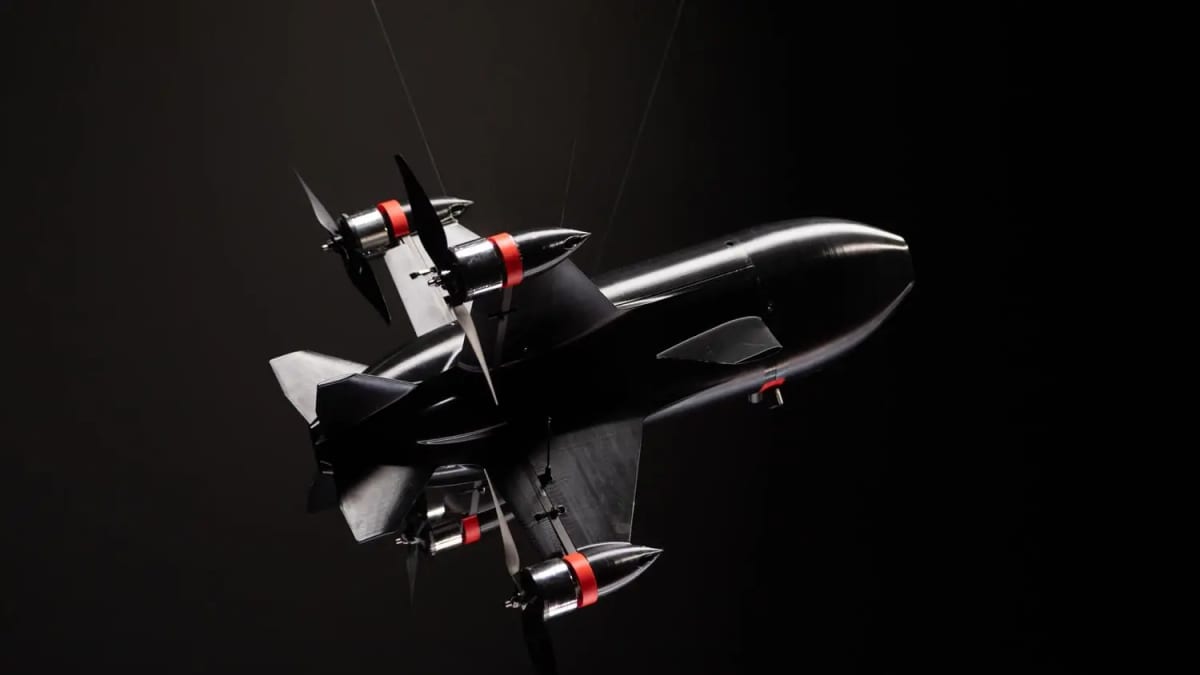
Image by Aviation News
Joint Venture Targets U.S. Defense Market
Publicly available information indicates that General Cherry and Wilcox Industries have agreed to form a joint venture focused on producing first person view and interceptor drones in the United States. The initiative is described in defense industry coverage as a new stage in cross Atlantic cooperation on unmanned systems, with a focus on meeting current and anticipated Pentagon requirements for small, expendable platforms.
The partnership aims to combine General Cherry’s experience designing and deploying drones in Ukraine’s high intensity conflict with Wilcox’s established engineering and manufacturing capabilities for U.S. defense customers. Reports suggest the joint venture will initially prioritize domestic defense procurement before exploring export opportunities that comply with U.S. regulations.
Coverage of the agreement points to the growing role of small, low cost drones in U.S. thinking about future battlefields. As lessons from Ukraine shape procurement priorities, American buyers are looking more closely at systems that have already been proven at scale in combat, particularly in roles such as strike, reconnaissance, and drone on drone engagements.
The new venture is entering an approval and structuring phase, during which the partners are expected to refine production plans, navigate regulatory requirements, and align the program with U.S. defense acquisition frameworks. Observers note that this stage will be critical in determining how quickly the first U.S. built General Cherry drones reach potential customers.
Localizing Production and Components in the United States
Reports indicate that a central goal of the partnership is to localize not only final assembly but also key component manufacturing inside the United States. This approach is intended to address supply chain security concerns and comply with legal and policy frameworks that increasingly favor domestically produced systems for sensitive missions.
Industry coverage notes that the joint venture is being structured to meet U.S. market standards often associated with defense oriented unmanned systems. This includes attention to cybersecurity, communications security, and traceable parts sourcing, areas that have become more prominent as small drones move from commercial adaptation toward purpose built military platforms.
By embedding production in the U.S. industrial base, the companies are positioning the project to benefit from quicker logistics, streamlined maintenance support, and closer interaction with American end users. Analysts suggest that this proximity could accelerate iterative improvements as operational feedback flows directly into design and manufacturing teams.
The decision to manufacture on American soil also reflects a broader trend of diversifying drone supply chains away from low cost imports from rival states. As concerns about foreign manufactured components grow, efforts such as the General Cherry Wilcox venture are being framed as contributions to a more resilient and secure ecosystem for unmanned systems.
From Ukrainian Battlefields to U.S. Testing Grounds
General Cherry is part of a wider wave of Ukrainian drone makers that have emerged since the full scale invasion, a sector that has rapidly iterated designs under intense combat conditions. Analytical reports on Ukraine’s defense industry list the company among several domestic manufacturers contributing to a high tempo production environment for small unmanned aircraft.
These companies have refined specialized roles for their drones, from precision first person view strike missions against armored vehicles to reconnaissance and aerial adjustment of artillery fire. Observers often highlight Ukraine’s distributed and experimental approach to drone innovation, where feedback cycles between frontline operators and engineers are measured in weeks rather than years.
For U.S. defense planners, partnerships with firms such as General Cherry are seen as a way to incorporate that battlefield experience into domestic programs. The new joint venture is expected to adapt designs that have performed in Ukraine to U.S. technical standards and mission profiles, potentially leading to systems tailored for American doctrine while retaining lessons learned from ongoing combat.
Participation in U.S. based trials and exercises would also give the company exposure to additional use cases beyond the current war, including training scenarios, testing ranges, and potential integration with larger unmanned and manned platforms. Industry commentators suggest that this cross pollination of ideas could influence how both countries think about swarming tactics, counter drone operations, and rapid fielding of new variants.
Blue UAS Ambitions and Regulatory Hurdles
Public information on the venture indicates that the partners are aiming for compatibility with the U.S. government’s Blue UAS framework, a designation associated with platforms cleared for use by federal agencies and the armed forces. Achieving this status typically requires demonstrating compliance in areas such as data security, supply chain transparency, and interoperability with approved communications systems.
Analysts note that pursuing such certification would position the joint venture to compete for a wider range of U.S. government contracts, including programs that require adherence to strict cybersecurity baselines. This could be particularly important if the drones are intended for roles that involve sensitive targeting data or integration with existing intelligence networks.
At the same time, the regulatory path is expected to be complex. Any transfer of technology from a wartime environment to U.S. production lines must satisfy export control rules, intellectual property considerations, and security vetting. Coverage of similar projects stresses that aligning legal, technical, and policy requirements can take considerable time, even when there is political support for deeper cooperation.
Observers describe the current stage of the General Cherry Wilcox initiative as preparatory, with attention focused on securing the necessary approvals and formalizing the new corporate structure. How quickly these steps are completed will shape the timeline for when American made versions of the company’s drones can participate in official testing and procurement processes.
Implications for Transatlantic Drone Cooperation
The move by General Cherry to establish production in the United States through Wilcox Industries is being interpreted as part of a broader shift in transatlantic defense industrial cooperation. Ukraine’s rapidly growing drone sector is increasingly seen as a source of practical innovation, while U.S. partners provide capital, industrial capacity, and access to large procurement markets.
Defense policy analyses point out that such joint ventures fit into a wider effort to embed Ukraine’s defense industry within Western supply chains. By building shared projects and manufacturing footprints, stakeholders aim to create long term ties that endure beyond current emergency aid packages and support Ukraine’s economic resilience.
For the United States, localized production of Ukrainian designed drones offers a way to diversify suppliers and draw on systems tested against a peer adversary. It may also influence future multinational programs, as other allies explore similar arrangements to bring Ukrainian drone designs into their own industrial ecosystems.
Travel and business observers note that this type of partnership can also have regional economic impacts inside the United States. Facilities involved in advanced manufacturing of unmanned systems tend to attract a specialized workforce, follow on suppliers, and occasional visits by international delegations, contributing to the evolving landscape of defense focused industrial hubs.