

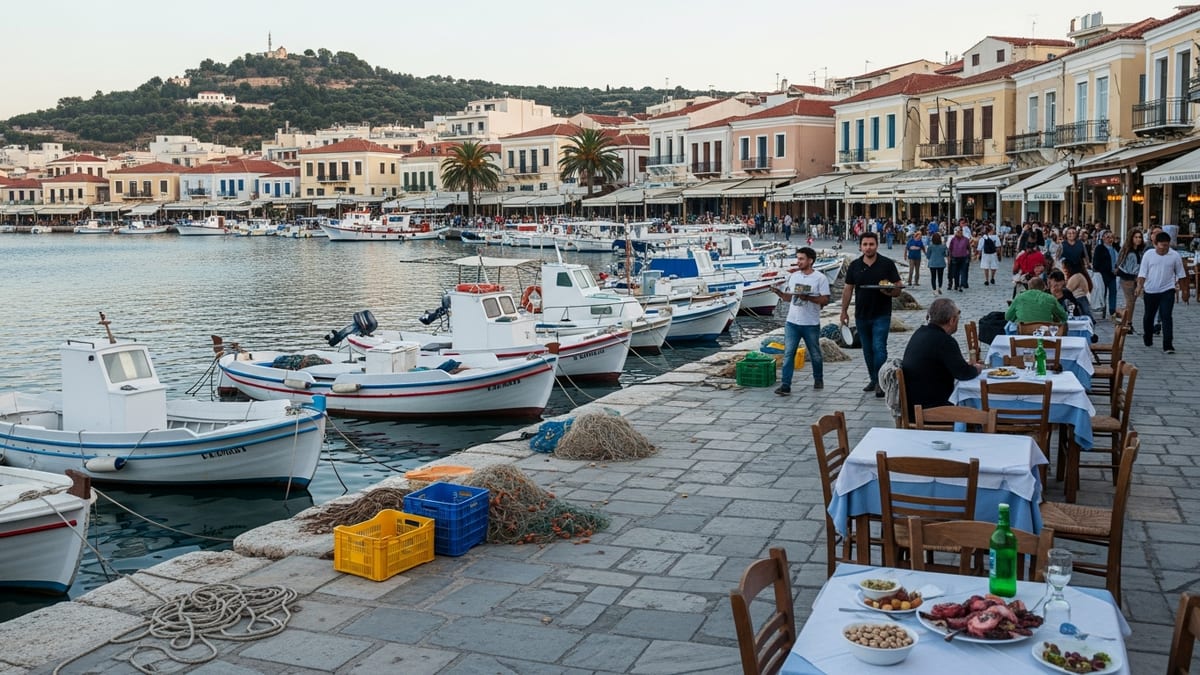
Aegina is one of those rare islands that feels both refreshingly close and worlds away. Less than an hour from Athens by ferry, it offers a slower rhythm, graceful neoclassical streets, fragrant pistachio groves, and one of the most atmospheric ancient temples in Greece.
Whether you are escaping the capital for a quick day trip or planning a longer stay, Aegina rewards you with easygoing beaches, village tavernas, and a surprisingly rich history. This guide brings together the latest practical information with on-the-ground insight so you can plan your time on the island with confidence.
Getting to Aegina and Around the Island
Aegina sits in the Saronic Gulf, southwest of Piraeus, and is one of the most accessible islands from Athens. Ferries run year round, with more frequent services in the warmer months. Conventional car ferries and high-speed catamarans link Piraeus to Aegina Town, as well as the island’s other ports such as Agia Marina and Souvala. In peak season you can expect dozens of crossings a day, with the earliest departures from Piraeus around 06:30 and the last ferries in the early evening. Average journey time is roughly 40 minutes on a high-speed vessel and between 1 hour 10 minutes and 1 hour 30 minutes on regular ferries, which makes Aegina ideal for spontaneous getaways.
Several companies operate on the Piraeus to Aegina route, including Hellenic Seaways with its Aero Highspeed services, Saronic Ferries, Aegina Ferries, San Lorenzo Ferries, Remezzo Maritime Company and others. Recent fare data indicates that one-way tickets for foot passengers generally start from around 10 euros on conventional ferries and up to about 19 or 20 euros on faster hydrofoils, depending on season, demand and time of day. Booking ahead is highly recommended for summer weekends, Greek holidays, and August in particular, when Athenians flock to the Saronic Islands.
On arrival at Aegina Town, you can explore much of the waterfront and historic center on foot. For wider exploration, public buses connect the main settlements, including the Temple of Aphaia, Agia Marina, Perdika and Souvala. Buses are inexpensive but schedules can be limited outside the summer season, so always confirm times locally the day before you travel. Taxis are readily available around the main port and are a simple option for short hops. Many visitors also rent scooters, small cars, or bicycles to move around at their own pace, especially if they plan to combine beach time with visits to inland villages and archaeological sites.
If you are bringing a car from the mainland, check vehicle ferry availability and pricing in advance, as not every high-speed service carries vehicles. Keep in mind that the narrow streets in older parts of Aegina Town and fishing villages like Perdika can be tight and parking is limited at popular beaches in July and August. For most short stays, relying on a mix of taxis, buses and walking works very well.
Top Sights and Cultural Highlights
Aegina’s compact size belies the depth of its history. One of the star attractions is the Temple of Aphaia, standing on a pine-covered hill above the resort of Agia Marina. This remarkably preserved Doric temple dates from around 500 BC and forms a visual triangle with the Acropolis in Athens and the Temple of Poseidon at Cape Sounion. From its podium you can gaze across the Saronic waters, sensing how ancient sailors would have used these monumental landmarks for navigation. Recent information from local guides and tourism sources indicates that in the main season the archaeological site usually opens from morning until late afternoon or early evening, with last entry well before closing, and with a modest admission fee for adults and discounts for concessions.
Closer to Aegina Town, the Kolona archaeological site and the island’s Archaeological Museum offer an illuminating look at Aegina’s early role as a maritime power. Only a single standing column remains of the ancient Temple of Apollo, yet the surrounding excavations, fortifications and the museum’s finds speak to a city that traded and competed with Athens. As of recent seasons, the museum has typically operated from Tuesday to Sunday during daytime hours, with a separate ticket that is still very reasonably priced, though visitors should always confirm the latest schedule locally, as museum hours in Greece can shift between winter and summer.
Aegina also has strong ties to modern Greek history. In the early 1820s, during the War of Independence, the island briefly served as the first capital of the modern Greek state. Around the port, you can see public buildings from that era, including the house associated with Ioannis Kapodistrias, Greece’s first governor. Walking through the backstreets reveals a blend of neoclassical mansions, simple island homes and churches, along with small workshops where artisans still craft traditional goods.
Religious and spiritual heritage forms another layer of the island’s identity. The Monastery of Agios Nektarios, dedicated to one of the most venerated modern Greek saints, draws pilgrims year round. The complex includes the older monastery, where the saint lived, and a grand newer church with multiple domes that can be seen from afar as you approach the island’s interior. Respectful dress is expected, and photography inside the church may be restricted. Even if you are not religious, the atmosphere and views from the surrounding hills make the visit worthwhile.
Beaches, Nature and Outdoor Activities
Aegina is not famous for postcard-perfect stretches of white sand, but it offers a pleasing mix of accessible, family-friendly beaches and quieter coves, many backed by pine trees or simple tavernas. On the eastern side, Agia Marina is one of the largest and most developed resort areas, with a long sandy beach, shallow waters ideal for children, and a string of beach bars and cafes. It can be busy in high season, but its size means you can usually find a spot, and its proximity to the Temple of Aphaia makes it a convenient base for combining swimming with sightseeing.
Closer to Aegina Town, there are smaller beaches within walking distance of the port, including organized stretches with sunbeds and unserviced spots where locals slip into the sea before work. The southern fishing village of Perdika offers rocky coves and clear waters that attract snorkelers. From Perdika’s little harbor, boats shuttle across to the uninhabited islet of Moni in the summer, where you can swim in exceptionally clear water, hike short trails among pine trees, and sometimes spot peacocks and deer that live semi-wild on the island. To the north, Souvala and Vagia have more low-key beaches with a relaxed, village feel and views back toward the mainland.
Beyond the shore, Aegina rewards those who lace up their walking shoes. Trails crisscross the island’s interior, passing by chapels, terraced fields and old stone farmhouses. One of the best-known walking areas is around the so-called Palaiochora, the island’s medieval hillside settlement, now largely in ruins but dotted with small churches decorated with fading frescoes. Hiking up from the modern road gives a sense of stepping back in time and, on clear days, views reach across the Saronic Gulf to surrounding islands and the Peloponnese.
Cycling is also growing in popularity on Aegina, although the island’s roads are narrow and can be busy in peak months. Confident cyclists enjoy riding the coastal loop around the island, while more leisurely riders may prefer shorter stretches, especially around the quieter northern coastline. Sea kayaking, stand-up paddleboarding and small boat rentals are available in the main resorts in summer, offering another way to explore hidden coves and the island’s rockier shoreline.
Food, Pistachios and Local Flavors
Aegina’s culinary identity is tied closely to the sea and to its famous pistachios. Long before the island became a popular weekend escape for Athenians, it was known across Greece for producing high-quality pistachio nuts, and you will see the low trees in groves across the island. The pistachios of Aegina have protected designation status, and local producers sell them roasted, salted, honey-glazed or ground into pastes used in sweets and ice cream. If you visit in early autumn, you may coincide with the Aegina Fistiki Fest, a multi-day celebration of the pistachio harvest that typically features food stalls, live music, and cultural events along the waterfront.
Seafood is another highlight, particularly in Aegina Town and the fishing village of Perdika. Tavernas set out tables by the water and serve fresh fish caught in the Saronic Gulf, along with classic meze plates such as grilled octopus, fried calamari, marinated anchovies, and fava purée. Prices vary depending on catch and season, but you can expect good value compared to more heavily touristed islands. As always in Greece, ask to see the fish and check whether it is priced by the kilo before ordering.
Traditional Greek dishes feature prominently on menus across the island. Look for slow-baked lamb or goat in the oven, moussaka, stuffed tomatoes and peppers, and oven-baked gigantes beans. In cooler months, heartier stews and soups appear, especially in tavernas catering to locals rather than day-trippers. The island’s pistachios make their way into both sweet and savory recipes, from pistachio-crusted fish to baklava-style pastries and simple cakes topped with chopped nuts.
Cafes and patisseries line the main promenade in Aegina Town, where locals sip Greek coffee or freddo espresso as ferries come and go. It is worth seeking out small bakeries in the backstreets for koulouri (sesame bread rings), cheese pies and pistachio cookies. As night falls, a few bars and all-day cafes transform into informal nightlife spots, especially in summer, offering cocktails and local wine with views over the harbor lights.
Where to Stay and How Long to Spend
The island’s compact size allows for a range of stay lengths, from a quick day trip to a full week. A single day gives a taste of Aegina’s atmosphere, but staying overnight lets you enjoy the quieter hours after the last excursion boats and many day-trippers have left. Two or three nights are often ideal for first-time visitors who want to combine beaches, the Temple of Aphaia, the Archaeological Museum, and leisurely meals without rushing. Longer stays suit travelers using Aegina as a base to explore other Saronic Islands or those seeking a calm, semi-residential feel compared to larger Greek islands.
Aegina Town is the most practical base if you are arriving without a car or plan to use buses and taxis. You will be within walking distance of the ferry port, shops, cafes and the island’s most varied dining scene. Accommodation options range from small family-run guesthouses in restored neoclassical buildings to mid-range hotels and self-catering apartments. Many places open from spring through autumn, but a core of hotels and rooms operates all year to serve both locals and weekend visitors from Athens.
Agia Marina, on the eastern side of the island, is popular with families and travelers looking for an easy beach holiday. The resort has a broad selection of mid-range hotels, studios and simple pensions, most within walking distance of the shore and the main strip of restaurants, beach bars and shops. It is also the closest hub to the Temple of Aphaia, which makes it convenient for travelers keen to visit the ancient site early in the morning or at the end of the day.
Smaller settlements like Perdika, Souvala and Vagia offer a quieter feel and are particularly appealing for repeat visitors or those who prioritize peace over proximity to nightlife. Accommodation in these villages tends to be in the form of small hotels, rental apartments and rooms above tavernas. When booking, always check whether your chosen property is near a bus stop or if you will need your own transport. In the high season of July and August, availability across the island can tighten, so reserving accommodation well ahead of time is strongly advised.
When to Go and What to Expect in Each Season
Aegina is a year-round island, but the experience changes significantly with the seasons. From late June through early September, the island is at its busiest and warmest. Daytime temperatures routinely climb into the high 20s and low 30s Celsius, and the sea is comfortably warm for swimming. Ferry schedules are at their most frequent, beaches are lively, and nearly all hotels, tavernas and tourist services are open. This is the best period if you want a classic Greek summer atmosphere, though you should budget for higher prices and more crowds.
Spring, particularly April and May, and early autumn in September and the first half of October can be ideal times to visit. The weather is usually mild to warm, wildflowers or late-summer blooms dot the hillsides, and the sea retains enough warmth for swimming, especially in sheltered bays. Crowds are thinner, accommodation prices are often more favorable, and it is easier to move around and find space on popular beaches. Cultural events, such as the pistachio festival in September when held, add extra interest without the intensity of mid-summer.
Winter on Aegina is calm and can be surprisingly atmospheric. Many tourist-centric establishments close, yet the island remains connected to Piraeus by regular ferries, and daily life continues. Temperatures are cooler, with occasional rain and windy days, but there are also bright, clear periods when you can hike, visit monasteries and archaeological sites, and enjoy an almost exclusively local scene in the cafes and tavernas that stay open year round. Travelers visiting between roughly November and March should check in advance which accommodations and restaurants operate off-season and be flexible regarding ferry times in case of weather-related disruptions.
Whenever you visit, it is wise to check the latest ferry timetables and any special announcements from ferry operators before finalizing your plans. Schedules can change based on seasonal demand, maintenance, and national holidays. For archaeological sites and museums, opening hours are generally longer in the summer period and shorter in winter, and occasional closures can occur on major public holidays. Confirming hours locally a day or two before your intended visit will help you avoid disappointment.
Practical Tips, Etiquette and Responsible Travel
Aegina is relaxed, but a few practical points and local customs will help your trip run smoothly. The island uses the euro, and while card payments are widely accepted in hotels, many restaurants, and shops in Aegina Town and main resorts, it is sensible to carry some cash for small purchases, rural tavernas or kiosks. There are ATMs in Aegina Town and larger settlements, though they can occasionally be out of service, particularly during busy weekends, so withdrawing a reasonable amount when you first arrive is prudent.
Language is rarely a barrier. Greek is the official language, but English is widely spoken in tourism-related businesses. Learning a few basic phrases, such as greetings and thank you, is appreciated. Tipping in restaurants follows typical Greek practice: rounding up the bill or adding around 5 to 10 percent for good service is customary but not obligatory. In cafes and bars, leaving small change is welcome. When visiting churches and monasteries, dress modestly, covering shoulders and avoiding very short shorts. Photography inside religious buildings may be restricted, so look for signs or ask discreetly.
As with any island environment, responsible travel practices help preserve Aegina’s character and nature. Avoid leaving litter on beaches or in the countryside, and use designated bins. Tap water in many parts of Greece varies in quality; in Aegina, locals often rely on bottled water, though you can also ask your accommodation for guidance. Using refillable bottles and larger containers reduces plastic waste. When swimming, respect safety flags and local advice, particularly on windy days or at unguarded coves.
Finally, be prepared for a change of pace. Compared to some larger Greek islands, Aegina’s nightlife is relatively low-key, and operations can feel unhurried. Buses may not adhere strictly to published times, and shops may close in the afternoon hours, especially outside high season. Leaning into this slower rhythm, planning a bit ahead, and allowing buffer time between activities will make your visit more enjoyable.
The Takeaway
Aegina offers an appealing blend of proximity and escape. Its easy ferry links from Piraeus make it one of the most straightforward islands to reach from Athens, whether you are visiting Greece for the first time or you are a seasoned traveler wanting a quick island interlude. Once there, you will find a place where everyday Greek life continues alongside gentle tourism, ancient columns rise above pine forests, and pistachio groves roll down to a sea dotted with small fishing boats.
By combining a few headline sights such as the Temple of Aphaia, Kolona and the Monastery of Agios Nektarios with simple pleasures like swimming off a village beach, wandering Aegina Town’s backstreets and lingering over a seafood dinner at a quayside taverna, you can create a richly layered experience in just a few days. With a bit of planning around ferry schedules, opening hours, and seasonal patterns, Aegina becomes not just a convenient side trip, but a destination with enough character to stand on its own.
FAQ
Q1: How long is the ferry from Athens to Aegina?
The ferry from Piraeus to Aegina typically takes around 40 minutes on a high-speed catamaran and between about 1 hour 10 minutes and 1 hour 30 minutes on a conventional ferry, depending on the operator and exact route.
Q2: Do I need to book ferry tickets to Aegina in advance?
Outside peak periods you can often buy tickets on the day of travel, but from late June through early September, especially on weekends and around public holidays, booking ferry tickets in advance is strongly recommended to secure your preferred departure time.
Q3: Is Aegina good for a day trip from Athens?
Yes. Because the crossing is short and services are frequent, many travelers visit Aegina as a day trip, combining a stroll around Aegina Town with a swim and perhaps a visit to the Temple of Aphaia. However, staying one or two nights allows you to enjoy quieter evenings and explore more of the island.
Q4: Can I get around Aegina without a car?
It is entirely possible to explore Aegina without a car. Aegina Town is walkable, and buses and taxis connect it with major villages and sights like Agia Marina, Perdika, Souvala and the Temple of Aphaia. Renting a scooter or bicycle is another popular option for short stays.
Q5: When is the best time of year to visit Aegina?
The most comfortable periods are spring, from about April to May, and early autumn in September and early October, when the weather is warm but not extreme and crowds are lighter. July and August offer peak summer energy and the warmest sea, but also higher prices and more visitors.
Q6: Are there sandy beaches on Aegina?
Yes. Agia Marina on the east coast is the island’s main sandy beach and is well suited to families. Other areas, such as parts of Souvala and some coves near Aegina Town, offer smaller sandy or mixed sand-and-pebble stretches alongside rockier spots ideal for snorkeling.
Q7: What is Aegina famous for besides beaches?
Aegina is renowned for its pistachios, which have protected designation status, and for the Temple of Aphaia, one of the best-preserved ancient temples in Greece. The island also played an important role in early modern Greek history and is a significant site of pilgrimage due to the Monastery of Agios Nektarios.
Q8: Is Aegina expensive compared with other Greek islands?
In general, Aegina is moderately priced. Accommodation and dining can be more affordable than on some of the most famous Aegean islands, although prices rise in high season and in prime waterfront locations. Eating where locals dine and visiting outside the peak of summer can help keep costs in check.
Q9: Is the water safe to drink on Aegina?
Locals often rely on bottled or filtered water, and visitors commonly do the same. While you may find places where tap water is deemed potable, many travelers prefer to drink bottled water and use tap water for washing and brushing teeth. Using refillable bottles and larger containers helps reduce plastic waste.
Q10: Is Aegina suitable for families with children?
Aegina is well suited to families. The short ferry journey from Piraeus, shallow waters at beaches such as Agia Marina, a low-key atmosphere, and a choice of family-run accommodations make it an appealing option for those traveling with children.