

Athens is a city that wears its history in plain sight. From the marble columns of the Acropolis to café terraces humming past midnight, the Greek capital blends ancient wonder with a lived-in, contemporary energy. Whether you are coming for a long weekend or building a bigger Greek itinerary around it, Athens deserves more than a rushed stopover. This guide brings together the latest practical details with on-the-ground insight so you know what to see, how to get around, and what to expect before you go.
Understanding Athens: Layout, Vibe, and First Impressions
Athens is larger and more modern than many first-time visitors expect. The metropolitan area spreads around the Saronic Gulf, ringed by low mountains, with the Acropolis rock rising almost theatrically from the center. Neighborhoods flow into one another, but for visitors the city effectively revolves around the historic core, the central shopping and business districts, and the coastal suburbs known as the Athens Riviera.
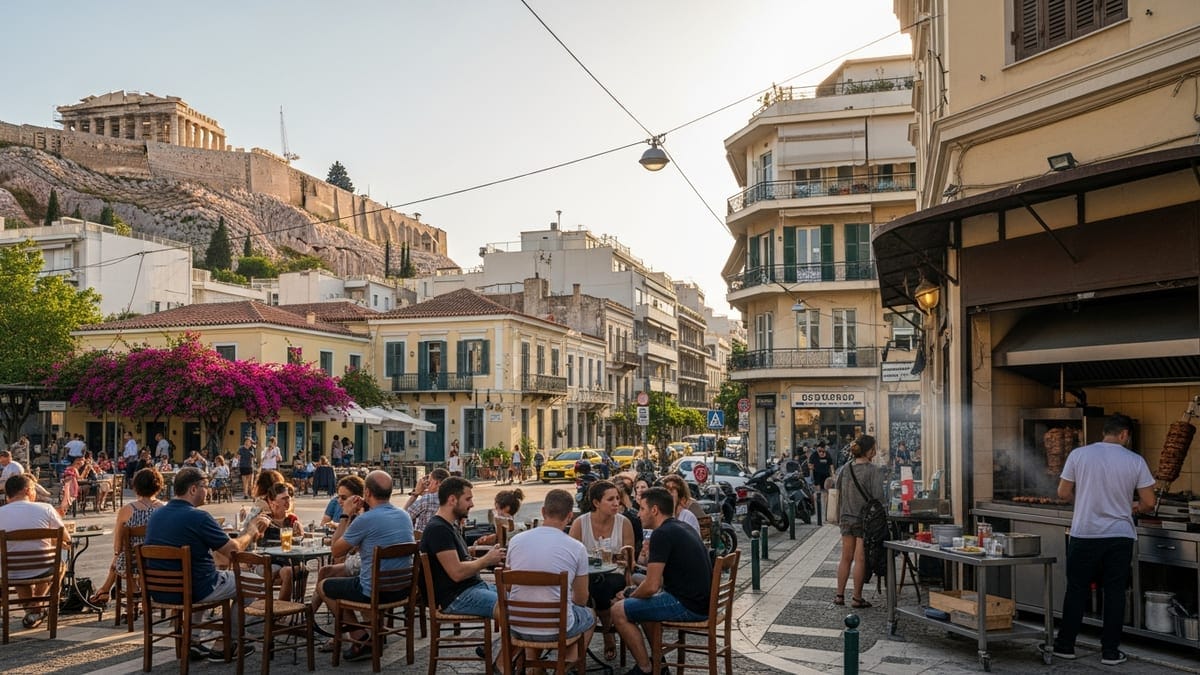
The historic heart comprises Plaka, Monastiraki, Thiseio and Makrygianni, all within walking distance of the Acropolis. This is where you find neoclassical townhouses, pedestrian alleys, archaeological sites and many of the city’s major museums. Just north lies Syntagma, the political center anchored by Parliament and the main square, while upscale Kolonaki climbs the slopes of Mount Lycabettus with designer boutiques and café culture. To the southwest, the neighborhoods of Koukaki and Petralona have evolved into creative, residential districts that feel more local but remain very convenient for sightseeing.
The first impression of Athens can be sensory overload: traffic, graffiti, intense light, the smell of grilled meat from a corner souvlaki shop, and glimpses of marble ruins between apartment blocks. Give it 24 hours and the rhythm starts to make sense. Sidewalk tables fill in the late afternoon, when Athenians linger for coffee, and dinners begin well after 9 p.m. The city’s greatest asset is not only its monuments but also this lived-in vitality, which makes it rewarding to simply walk, look and sit in a square for a while.
English is widely spoken in the tourism industry and by younger Athenians, while signs on major streets, in the metro and at cultural sites use both Greek and Latin characters. You can comfortably navigate with basic English and a map app, though learning a few Greek phrases for greeting and thanks is appreciated. As in most big cities, you will find pockets that feel upscale and polished next to streets that are more rough around the edges, but central Athens is generally easy to explore on foot with normal urban awareness.
Top Sights: Ancient Athens and Beyond
The Acropolis is the unmissable landmark around which much of the city’s story revolves. Perched on a limestone hill, the complex includes the Parthenon, the Erechtheion with its famed Caryatid statues, the Propylaea gate and the small Temple of Athena Nike. Timed tickets and capacity limits are now the norm in high season, so it is wise to reserve your entrance slot in advance through official channels and plan your visit for early morning or late afternoon to avoid crowds and summer heat. The site can close temporarily in periods of extreme temperatures, particularly in July and August, so checking same-day updates is essential if you are visiting in peak season.
Just downhill, the Acropolis Museum is one of Europe’s standout cultural institutions. Its glass and concrete design aligns galleries directly with the ruins above, displaying sculptures and architectural fragments found on the Acropolis slopes. The museum operates different opening hours in winter and summer, with longer evenings on Fridays when it stays open until 10 p.m., and general admission is currently one of the better-value cultural tickets in Europe given the caliber of the collection. The excavated ancient neighborhood visible beneath the museum’s glass floors adds another dimension, making it easy to spend several hours here.
Beyond the Acropolis, a network of archaeological sites traces the life of ancient Athens. The Ancient Agora stretches northwest of the hill, once the city’s civic and commercial heart. Here you can walk among foundations of stoas and temples, with the remarkably preserved Temple of Hephaestus standing on a rise. To the east, the Olympieion boasts the towering columns of the Temple of Olympian Zeus, while the Panathenaic Stadium nearby, rebuilt in marble in the 19th century, occupies the footprint of the ancient arena that hosted the Panathenaic Games. A combined ticket covering several sites often makes sense during a multi-day visit, especially if you intend to see the Roman Agora and Hadrian’s Library as well.
Athens is also rich in museums that move beyond classical antiquity. The National Archaeological Museum in the Exarchia area is a must for those interested in the full span of Greek prehistory and art, from Mycenaean gold to Hellenistic bronzes. The Byzantine and Christian Museum and the Museum of Cycladic Art showcase later eras and regional cultures. Taken together, these institutions can easily occupy a full day and provide context for ruins you encounter across the country. For something more contemporary, the National Museum of Contemporary Art, housed in a former brewery, offers rotating exhibitions that connect Athens to global artistic conversations.
Neighborhoods to Explore: From Plaka to the Athens Riviera
Plaka is usually the first neighborhood most visitors experience. Nestled on the northern and eastern slopes of the Acropolis, it is filled with narrow streets, small squares, tourist shops and tavernas. Although it can feel crowded and commercial in peak months, there are quiet corners, especially in Anafiotika, a tiny whitewashed enclave built in the 19th century by island craftsmen. Wandering side streets in the early morning or late at night reveals why this area has charmed visitors for generations.
Monastiraki and Psyrri, just to the northwest, offer a different atmosphere. Around Monastiraki Square you find a flea-market district that mixes souvenir stalls with antique stores and streetwear boutiques. Rooftop bars here are among the best places for classic postcard views of the Acropolis at night. Psyrri, once rougher, has reinvented itself as a hub for bars, live music venues and small restaurants, drawing both visitors and locals. Evenings can be lively and loud, but daytime reveals a neighborhood of workshops, street art and bakeries tucked between galleries.
Koukaki, south of the Acropolis Museum, has become a favorite base for travelers who prefer a slightly more local feel within easy walking distance of major sights. Tree-lined streets host casual wine bars, specialty coffee shops and relaxed eateries that stay open late. To the north, Kolonaki feels more polished, home to embassies, designer boutiques and a high concentration of cafés. From here you can ride the funicular or hike up Mount Lycabettus, the city’s highest point, for panorama views over the sprawl to the sea and the surrounding mountains.
If you have more than a couple of days, consider spending time along the Athens Riviera. The coastal tram from central Athens brings you to seaside suburbs such as Palaio Faliro, Alimos and Glyfada, where palm-lined promenades, marinas and beach clubs create a different city personality. Farther south, areas like Vouliagmeni offer coves for swimming in the warmer months and upscale seaside dining. This stretch is particularly atmospheric at sunset, when the light softens over the Saronic Gulf and locals gather on waterfront promenades.
Getting In, Getting Around, and Practical Essentials
Most international visitors arrive at Athens International Airport, located about 35 kilometers east of the city center. The airport is linked to central Athens by metro, suburban railway, express buses and taxis. The metro Line 3 runs between the airport and central stations such as Syntagma and Monastiraki; travel time is roughly 40 minutes and tickets are priced higher than standard urban fares because of the airport supplement. Express buses operate 24 hours between the airport and key points including Syntagma Square and Piraeus port, useful for late-night or early-morning arrivals and departures.
Within the city, public transport is an efficient and cost-effective way to move between neighborhoods. The network consists of three metro lines, suburban rail, trams to the coast and an extensive bus and trolleybus system. Integrated tickets and passes allow unlimited transfers within a given time period, with options for 90 minutes, 24 hours or multiple days that can be good value if you are exploring widely. Ticket validation at the start of your journey is crucial, as random inspections do occur and fines for non-validation are steep. The metro is generally reliable, with announcements in Greek and English.
Taxis and app-based ride services are widely available and comparatively affordable by European capital standards. Official taxis use meters, and fares increase at night and for trips to or from the airport or port. It is good practice to confirm that the meter is on and to have a general sense of your route on a map app, especially during busy seasons. In central, flat areas, walking is often the easiest way to get around, although summer heat can make midday strolls tiring. Many main attractions are linked by pedestrianized streets such as Dionysiou Areopagitou and Apostolou Pavlou, creating an almost continuous scenic walkway around the Acropolis and the historic core.
Athens uses the euro, and card payments are widely accepted at hotels, restaurants and larger shops. Small cash amounts remain useful for kiosks, some taxis and smaller local businesses. Tap water is safe to drink in the city, so carrying a refillable bottle saves money and plastic. Smoking regulations technically restrict smoking indoors in public places, though enforcement is variable; most venues now provide designated outdoor seating areas for smokers. Respectful clothing is expected at religious sites, especially churches and monasteries, where shoulders and knees should be covered.
When to Visit, Weather Patterns, and Crowds
Athens is a year-round destination, but the experience changes significantly with the seasons. Summers, particularly from late June through August, are hot and dry, with daytime temperatures frequently above 32 degrees Celsius and heatwaves occasionally pushing conditions much higher. During extreme heat, outdoor archaeological sites may close for a few hours in the early afternoon, and visiting the Acropolis or open-air ruins is far more comfortable early in the morning or close to sunset. Evenings, however, can be wonderful, with long twilight hours and a busy outdoor café scene.
Spring and autumn are often the most pleasant times for sightseeing. From late March through May and again from late September through early November, temperatures are milder, generally ranging between the mid-teens and mid-twenties Celsius, and there is usually more greenery in parks and on hillsides. These shoulder seasons still draw many visitors, especially during Easter and school holiday periods, but crowds are more manageable than in peak summer. Museums and restaurants operate on full schedules, and the weather cooperates for both city wandering and day trips to nearby islands or archaeological sites.
Winter in Athens, from December through February, tends to be relatively mild compared with northern Europe, though it can be damp, with occasional cold snaps and rare snowfall. This is the quietest time for tourism, which means lower hotel rates, shorter lines at iconic sites and more space in popular restaurants. Some coastal businesses and island services scale back operations in the coolest months, but in the city itself life goes on. The Acropolis and other outdoor sites may close temporarily during severe weather, and shorter daylight hours call for more targeted planning.
Beyond climate, timing your visit should also consider national holidays and major events. Greek Orthodox Easter, which often falls on different dates than Western Easter, is a particularly atmospheric period, with processions, church services and family gatherings; however, some shops and sites close or operate on reduced hours around key religious dates. August is when many Athenians leave the city for the islands or countryside, so while tourist areas remain active, some smaller neighborhood businesses shut for part of the month. If your schedule is flexible, choosing dates in April, May, late September or October offers a good balance of weather, activity and crowd levels.
Safety, Scams, and Local Etiquette
Athens is generally safe for travelers, including solo visitors, but it shares the same petty crime concerns as other major European capitals. Pickpocketing is the most common issue, particularly on crowded metro lines, in busy squares such as Omonia and Monastiraki, and around major archaeological sites. Using a cross-body bag that closes securely, keeping phones and wallets in front pockets, and staying aware in crowds goes a long way toward avoiding problems. It is wise to avoid displaying large amounts of cash or expensive jewelry in busy tourist areas.
Scams tend to be low-level and opportunistic. In nightlife districts, you may encounter overly friendly strangers who steer people toward particular bars or clubs where drink prices are inflated. Politely declining and choosing venues independently usually avoids this. Unofficial ticket sellers around major sites can offer tours or entrance at inflated prices or through channels that are not authorized. Buying tickets only at official counters or recognized platforms is both safer and more predictable, especially for high-demand attractions like the Acropolis and Acropolis Museum.
Local etiquette in Athens is informal but grounded in courtesy. Greetings are appreciated, and saying a simple “kalimera” for good morning or “kalispéra” for good evening when entering a shop or café sets a friendly tone. Service in restaurants can feel more relaxed than in some northern European or North American cities; staff may not check back frequently after bringing your order, and you usually need to ask for the bill when ready to leave. Tipping is customary but modest, often rounding up the bill or leaving 5 to 10 percent in restaurants, and small amounts for taxi drivers or hotel staff are welcome.
Religion remains an important aspect of Greek life, especially in smaller communities and among older generations. When visiting churches or monasteries, dressing modestly, speaking quietly and avoiding photography during services shows respect. Public displays of anger or loud confrontation are frowned upon, even in frustrating situations such as traffic or bureaucracy. A calm, patient approach usually yields better results. Finally, protests and demonstrations do occur, particularly around Syntagma Square and major government buildings. These are mostly peaceful and well-managed, but it is wise to avoid large gatherings and follow local advice if you encounter one.
Food, Drink, and Nightlife in Athens
Athenian food culture mixes traditional Greek home cooking with a wave of contemporary creativity. Classic tavernas, many family-run for generations, serve grilled meats, seafood, seasonal vegetables and meze such as tzatziki, fava, dolmades and saganaki. Portions are often generous and designed to be shared. In recent years, a new generation of chefs has elevated local ingredients in modern bistros and fine-dining venues, some of which have garnered international recognition. You can eat very well at many price points, from simple souvlaki stands to tasting-menu restaurants.
Breakfast in Athens is typically light, with coffee at center stage. Koulouri, a ring-shaped sesame bread sold from street carts, and pastries from bakeries are common starts to the day. Coffee culture is strong and social: you will see people sipping freddo espresso or freddo cappuccino, Greece’s preferred iced coffee styles, at almost any hour. Traditional Greek coffee, brewed slowly in a briki pot, remains popular in old cafés and among older generations. Ordering coffee to stay and watching the city flow around you is part of the experience of being in Athens.
Nightlife in Athens is famously late. Many locals do not sit down to dinner before 9 or 10 p.m., and bars and clubs in districts such as Gazi, Psyrri and parts of Exarchia can be busy well into the early hours. Live music is a particular strength, from small venues hosting rembetiko, Greece’s bluesy urban folk music, to larger stages with contemporary bands and DJs. Rooftop bars around Monastiraki, Syntagma and Koukaki provide views of the illuminated Acropolis and city skyline, making them popular choices for a first evening in town.
Alcohol is part of social life but is usually consumed in a food context rather than as stand-alone heavy drinking. Local wines, both from Attica and other Greek regions, pair well with meze, while ouzo, tsipouro and raki appear as digestifs or small shared pours. Tap beer and craft brews are also readily available. As in any major city, keep an eye on your drink in crowded venues and do not accept beverages from strangers. Most nightlife districts feel secure, but using common sense around late-night transport and staying with companions where possible is advisable.
The Takeaway
Athens rewards travelers who give it time. Beyond the bucket-list visit to the Acropolis lies a multifaceted city where ancient ruins intersect with everyday life on street corners, in markets and along café terraces. Understanding its layout, rhythm and seasonal patterns helps you move from overwhelmed newcomer to confident urban explorer in just a couple of days. Public transport, walkable historic districts and neighborhoods with distinct personalities make it easy to tailor your stay to your interests, whether that means art and history, food and nightlife, or day trips to sea and countryside.
Preparing with realistic expectations about summer heat, occasional site closures and the normal petty-crime cautions of a big city allows you to relax into the experience once you arrive. When you combine those practicalities with openness to local culture, unhurried meals and chance discoveries on back streets, Athens becomes far more than a gateway to the islands. It is a destination in its own right, one that lingers in memory long after you have left its sunlit hills and marble silhouettes behind.
FAQ
Q1. How many days do I need in Athens?
For a first visit focused on main sights such as the Acropolis, Acropolis Museum, Ancient Agora and a few neighborhoods, two full days can work, but three to four days allow for slower exploration, museum time and a possible half-day coastal or island excursion.
Q2. Is Athens safe for solo travelers and at night?
Athens is generally safe for solo travelers, including women, with busy central areas active late into the evening. Normal big-city precautions apply, especially against pickpocketing on public transport and in crowded areas, and it is wise to stick to well-lit streets and established venues at night.
Q3. Do I need to book Acropolis tickets in advance?
Advance booking is strongly recommended, especially from spring through autumn, to secure a time slot and reduce time spent in ticket lines. Timed entries and visitor caps are used in busy periods, and popular morning and late-afternoon windows can sell out on peak days.
Q4. What is the dress code for visiting the Acropolis and other sites?
There is no strict dress code for most archaeological sites, though comfortable shoes with good grip are important because marble surfaces can be slippery. For churches and monasteries, covering shoulders and knees is recommended out of respect, and carrying a light scarf or shawl is useful.
Q5. Can I drink the tap water in Athens?
Yes, tap water in Athens is considered safe to drink, and many locals use it daily. Carrying a refillable bottle is practical for long sightseeing days, particularly in warm weather, and reduces reliance on single-use plastic bottles.
Q6. What is the best way to get from the airport to central Athens?
The metro and express buses are the main public options, with Line 3 connecting the airport to central stations like Syntagma and Monastiraki in around 40 minutes. Buses operate around the clock and can be convenient for late flights, while taxis and car services offer door-to-door comfort at a higher cost.
Q7. Is Athens expensive compared with other European capitals?
Athens is generally more affordable than many Western European capitals, especially when it comes to food and public transport. You will find a range of prices for accommodation, with peak-season rates higher, but eating in local tavernas, using transit and choosing midrange hotels or apartments keeps costs reasonable.
Q8. Do I need cash, or are cards widely accepted?
Cards are widely accepted in hotels, restaurants, supermarkets and most shops, and contactless payments are common. Carrying some cash in euros remains useful for small purchases at kiosks, bakeries, markets or for certain taxis and smaller local businesses.
Q9. What time do people usually eat and go out?
Athenians tend to eat later than in many countries. Lunch often starts around 2 p.m., and dinner rarely begins before 9 p.m., especially in social settings. Bars and nightlife pick up after 11 p.m. and can stay busy well into the early morning hours, particularly on weekends.
Q10. Can I visit the beach while staying in central Athens?
Yes, the coastal suburbs along the Athens Riviera are easily reached from the center by tram, bus or taxi in roughly 30 to 45 minutes depending on traffic. Areas such as Palaio Faliro, Alimos and Glyfada offer organized beaches, promenades and seaside cafés, making a half-day at the sea an easy addition to an urban itinerary.