


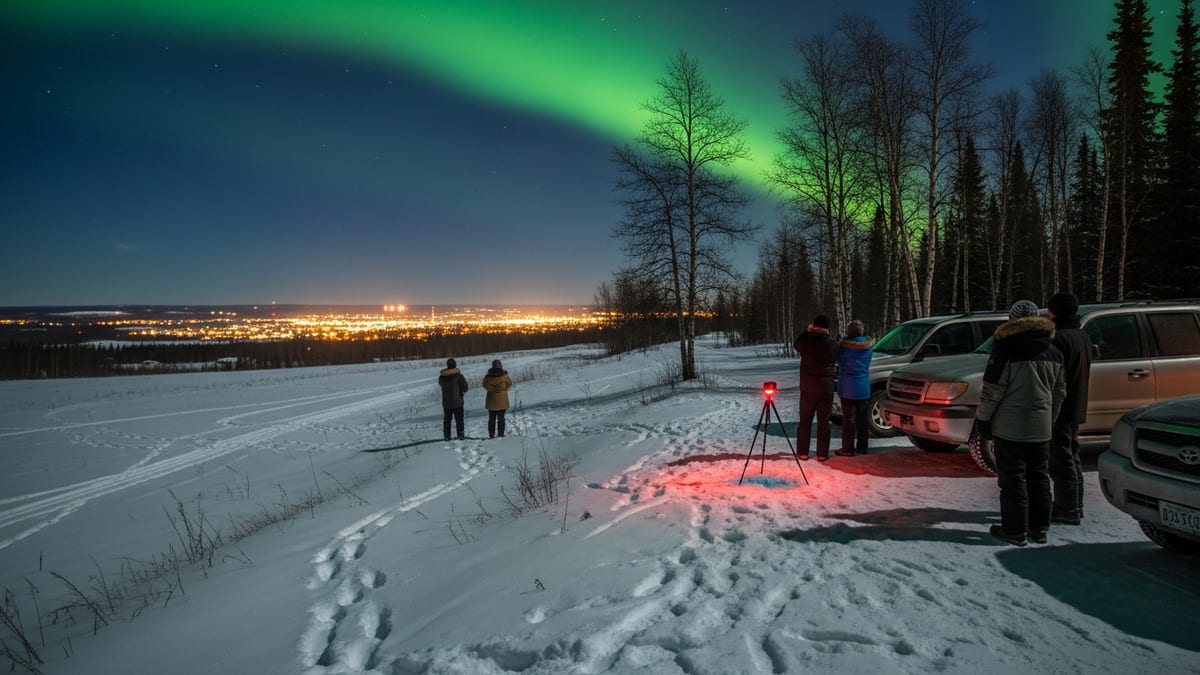
Fairbanks is a city of extremes, where summer sunlight lingers past midnight and winter skies blaze with the aurora borealis. As the main hub of Alaska’s Interior, it blends frontier history with a surprisingly creative food scene, strong Indigenous culture, and easy access to some of the state’s wildest landscapes.
Whether you come for the northern lights, the midnight sun, or a base for exploring the Arctic, Fairbanks rewards travelers who arrive prepared for its climate, distances, and seasonal quirks. This guide covers what to see and do, along with practical details you should know before you go.
Understanding Fairbanks and When to Go
Fairbanks sits just below the Arctic Circle in Interior Alaska, firmly inside the “aurora oval” that circles the polar regions. Winters are long, intensely cold, and dark, while summers bring almost continuous daylight. This dramatic seasonality shapes every aspect of travel, from what you pack to the activities available, and choosing the right time to visit is the single most important decision you will make.
The northern lights season in the Fairbanks region typically runs from late August through mid April, with peak viewing chances from October to March when nights are longest and darkest. Many tour operators note that clear, cold nights between about 10 p.m. and 2 a.m. offer the most consistent conditions for aurora viewing. Travelers who prefer less severe cold often target the shoulder months of September and March, which still offer long nights and frequent auroras but with slightly milder temperatures and more manageable road conditions.
Summer, from roughly late May through August, is defined by the midnight sun. This is the time for riverboat cruises on the Chena, hiking, paddling, flightseeing and enjoying the city’s outdoor festivals and events. Long daylight hours support a full schedule of activities, but there is no aurora viewing; the sky simply does not get dark enough. Early summer is cooler and greener, while late July and August can feel surprisingly warm, with locals out in shorts and t shirts.
Spring and fall shoulder seasons offer a blend of experiences. In late April and early May, snow lingers but daylight grows quickly, so winter tours begin winding down while summer operations ramp up. In late August and September, you can experience fall colors, lingering summer activities and the return of dark skies for early season auroras. If you are flexible and comfortable with variable weather, these transitional periods can be especially rewarding and less crowded.
Top Attractions in and Around Fairbanks
For a city of just over 30,000 people, Fairbanks offers an impressive range of attractions, many of them focused on Alaska’s natural environment, Indigenous cultures and frontier history. Some destinations are walkable from downtown, while others require a car or tour.
The University of Alaska Museum of the North is widely regarded as one of the state’s premier museums. Perched on a hill overlooking the city, the museum houses extensive collections on Alaska’s natural history, Native cultures, art and geology. Visitors can see everything from gold rush artifacts and traditional Athabascan clothing to exhibits on Arctic climate and wildlife. Give yourself at least 1.5 to 2 hours to appreciate the galleries.
In town, the Morris Thompson Cultural and Visitors Center combines a comprehensive visitor information hub with engaging exhibits on Interior Alaska’s Indigenous cultures, seasonal lifestyles, and wilderness. It is an excellent first stop for orientation, maps and local advice. Families will find the Fairbanks Children’s Museum downtown, and Pioneer Park offers historic buildings, small museums, a narrow gauge train ride and playgrounds in a compact, walkable space that comes alive in summer.
For something different, the Fountainhead Antique Auto Museum showcases dozens of meticulously restored vintage vehicles, some adapted for early Alaskan conditions with sled runners and massive tires. Car enthusiasts and casual visitors alike tend to be surprised by the quality and breadth of the collection. Meanwhile, the nearby town of North Pole delivers whimsical Christmas themed charm year round, with the famous Santa Claus House and candy cane striped streetlights drawing families for photos and holiday shopping regardless of season.
Chasing the Northern Lights
Fairbanks is one of the most reliable aurora viewing bases in the world thanks to its location under the auroral oval, clear interior skies and strong local tourism infrastructure. On average, in the heart of the season, auroras can be visible somewhere in the region on most clear nights, but seeing them still requires patience, realistic expectations and the right strategy.
Many visitors choose to join organized tours, which provide transportation away from city lights along with heated cabins, yurts or lodges where you can wait comfortably. Operators commonly pick up guests at their hotels in the evening and return in the early morning hours, timing outings around the most promising forecasts. Locations such as Chena Hot Springs, Cleary Summit, Murphy Dome and the Chena Lake Recreation Area are popular because they offer wide open horizons and minimal light pollution, though winter driving to higher elevation domes can be challenging and is often discouraged by rental companies.
If you are comfortable self driving in winter, you can watch for auroras closer to town. Creamer’s Field Migratory Waterfowl Refuge on the north side of Fairbanks is a frequent choice, offering open skies and comparatively little light. Even parking lots on the city’s edge sometimes yield surprising displays when the activity is strong. The key is to monitor aurora forecasts, dress in serious winter layers and be prepared to stay out for several hours, as activity can pulse and shift throughout the night.
One of the most memorable ways to see the northern lights is from Chena Hot Springs Resort, located about 60 miles northeast of the city. Visitors soak in the geothermal outdoor rock lake while scanning the sky, or ride up to dedicated viewing areas on higher ground with heated yurts for breaks between showings. The resort and various tour companies coordinate aurora excursions here in winter, combining ice museum visits, hot springs soaking and lights chasing in a single long evening.
Hot Springs, Ice Art and Winter Adventures
Winter in Fairbanks is not just about the aurora. Temperatures routinely plunge well below zero Fahrenheit, but with proper clothing and a sense of adventure, you can enjoy experiences that define Interior Alaska’s cold season.
Chena Hot Springs Resort is the region’s signature winter playground. The outdoor rock lake, fed by natural geothermal water, steams in frigid air as snow piles on surrounding boulders. Guests slip through a sheltered passageway from the indoor pools, then soak surrounded by ice and stars. On site you can also tour the Aurora Ice Museum, a year round complex made of sculpted ice and snow. Its interior features ice carvings, an ice bar serving drinks in carved ice glasses and elaborate sculptures that are refreshed regularly by champion ice artists.
Back in Fairbanks, seasonal ice art festivals and sculpting events showcase the work of international carvers who transform massive ice blocks into intricate, illuminated installations. Depending on your exact travel dates, you may be able to visit large ice parks, crawl through ice mazes or watch artists at work. Some attractions offer limited access beyond major festivals, including small scale ice museums that let summer visitors briefly experience subzero temperatures.
Dog mushing is another classic winter activity. Local kennels around Fairbanks offer everything from short introductory rides to half day and full day excursions through snowy forest trails pulled by enthusiastic sled dog teams. Visitors can often tour the kennels, learn about dog care and racing, and sometimes time trips to coincide with local sled dog races. Snowmobile tours, cross country skiing, snowshoeing and fat tire biking round out the menu of outdoor adventures, while indoor museums and cultural centers provide warm interludes between forays into the cold.
Summer Under the Midnight Sun
From late May into August, Fairbanks pivots to an entirely different rhythm. Instead of waiting for nightfall, locals work, play and socialize under skies that barely dim. For travelers, this means full, flexible days with time for both sightseeing and lingering at riverside patios, festivals and neighborhood trails.
Downtown’s Golden Heart Plaza becomes a focal point on summer evenings, with events, food vendors and locals gathering by the Chena River. From here you can walk across the bridge to Pioneer Park, where historic cabins, small museums, shops, playgrounds and casual eateries create a family friendly environment. The Alaska Native displays, aviation exhibits and small art galleries in the park give a sense of Fairbanks’ layered past.
Summer is also festival season. The Midnight Sun Festival, typically held around the June solstice, fills downtown with live music, vendors and performances that stretch well past what would be midnight elsewhere. The Midnight Sun Baseball Game, an annual June tradition, begins late in the evening and plays out entirely under natural light. July brings Golden Days, a weeklong celebration of the city’s gold rush heritage that culminates in a parade, street fair and quirky events such as rubber duck races on the Chena River. The Tanana Valley State Fair, usually held from late July into early August, offers rides, livestock, live music and local food on the outskirts of town.
Outdoors, the possibilities multiply with the daylight. You can paddle the Chena River through town, hike local trails with views of the Alaska Range on clear days, or join flightseeing tours that range over the Yukon River, Arctic Circle and even into the fringes of the Brooks Range. Nearby Chena Lake Recreation Area, popular in winter for aurora watching and snow sports, transforms into a hub for canoeing, swimming, picnicking and camping. With wildlife active around the clock, it is not unusual to spot moose, waterfowl and beavers at hours that would feel like the middle of the night anywhere else.
Culture, Food and Local Life
Fairbanks may be remote, but it has a surprisingly diverse and cosmopolitan feel, shaped by University of Alaska students, military families, long time locals and visitors from around the world. This mix is evident in its cultural institutions and food scene as much as in the swirl of languages you hear downtown during peak travel seasons.
Indigenous cultures are central to understanding Interior Alaska. In addition to the University of Alaska Museum of the North and the Morris Thompson Cultural and Visitors Center, look for performances, artisan markets and storytelling events that highlight Athabascan and other Alaska Native traditions. Many tours and cultural programs focus on seasonal subsistence lifestyles, traditional crafts such as beadwork and skin sewing, and contemporary efforts to sustain language and culture in a rapidly changing North.
Fairbanks’ dining landscape reflects both local resources and international influences. You will find seafood and game on many menus, often featuring salmon, halibut or reindeer, alongside hearty comfort foods well suited to the climate. The city is also known for an unusually high number of Thai restaurants relative to its size, a legacy of migration patterns linked to the construction and operation of the Trans Alaska Pipeline. Coffee shops, bakeries, food trucks and diners cater to early morning workers and late night aurora chasers alike.
In recent years, Fairbanks has developed a small but energetic craft beverage scene, with breweries and distilleries offering locally made beer, spirits and tasting rooms that double as social hubs. Many operate year round, providing warm gathering spaces in winter and patio seating in summer. Spending an evening at a local brewery or pub is an easy way to connect with residents, hear about current conditions and pick up informal advice about trails, events and road trips.
Practical Tips: Getting There, Getting Around and Staying Safe
Reaching Fairbanks is straightforward, but its remoteness and climate demand more planning than a typical city break. Most visitors arrive by air at Fairbanks International Airport, which has year round connections to Anchorage and seasonal nonstop flights from several major U.S. cities. In winter, schedules are more limited, so it is wise to build some flexibility into your itinerary to account for weather related delays. Some travelers arrive by rail on the Alaska Railroad, especially in summer, or by road on the Parks Highway from Anchorage or via the Alaska Highway from Canada.
Within the city, a rental car provides the greatest flexibility, especially if you plan to visit Chena Hot Springs, side trips like the Arctic Circle, or outlying aurora viewing spots. Winter driving presents specific challenges, including icy roads, limited daylight and occasional extreme cold that can affect vehicles, so confirm with your rental company what equipment is included and whether there are restrictions on certain roads or domes. The local MACS Transit bus system connects many parts of town during the day, but service is limited in late evenings and does not cover remote attractions.
Accommodation options range from full service hotels and chain properties to bed and breakfasts, hostels, cabins and aurora focused lodges outside the city. In peak aurora season and around major events or festivals, rooms can book out months in advance, so reserving early is strongly recommended. When comparing options, think about whether you want to prioritize city convenience, direct aurora visibility from your door, access to hot springs or proximity to specific activities.
Safety and comfort in Fairbanks mostly come down to preparation. Winter travelers should pack serious cold weather gear: insulated boots, thermal base layers, a down or synthetic parka, windproof outer layers, warm hats, mittens or gloves and face protection for the coldest nights. Frostbite and hypothermia are real risks if you are outside for long periods without proper clothing. In summer, be ready for mosquitoes, variable temperatures and sudden weather changes. Regardless of season, let someone know if you will be driving remote roads, heed local advice on wildlife, and check road and weather information before heading into the backcountry.
The Takeaway
Fairbanks is not a casual detour; it is a destination that rewards travelers who lean into its extremes. Winter brings some of the world’s best northern lights viewing, hot springs steaming in subzero air, dog sleds rushing through silent forests and ice art that glows against the long night. Summer replaces darkness with unending light, outdoor festivals, river adventures and the simple joy of walking the riverfront at midnight under a sun that refuses to set.
By understanding the seasons, planning your logistics carefully, and approaching the city with respect for its Indigenous cultures and harsh but beautiful environment, you can craft a trip that feels deeply Alaskan rather than just another stop on an itinerary. Whether you leave with photos of dancing auroras, sun drenched hikes, or both, Fairbanks has a way of getting under your skin and pulling you back north again.
FAQ
Q1. When is the best time to visit Fairbanks for the northern lights?
Most travelers aim for late August through mid April, with the highest chances generally between October and March when nights are longest and darkest. Shoulder months like September and March can be ideal if you want auroras plus somewhat milder temperatures.
Q2. How many days should I spend in Fairbanks?
A minimum of three nights improves your chances of seeing the aurora if that is your priority. Many visitors stay four to six nights to combine lights chasing with hot springs, museums, and at least one day trip beyond the city.
Q3. Is Fairbanks safe in winter for first time cold weather travelers?
Yes, as long as you prepare properly. Fairbanks is accustomed to extreme cold, and local businesses, hotels and tour operators are set up to help visitors manage it. Bring or rent serious winter clothing, limit alcohol intake when outside in low temperatures and follow local safety advice.
Q4. Do I need a rental car in Fairbanks?
You can get by without a car if you base yourself in town and rely on tours for aurora viewing, hot springs and major excursions. However, a rental car offers more freedom for exploring and is especially useful in summer. In winter, be sure you are comfortable with icy roads and confirm any driving restrictions with your rental company.
Q5. Can I see the aurora from downtown Fairbanks?
It is possible during strong activity, but city lights reduce visibility. Your odds improve dramatically if you travel even a short distance out of town to darker areas such as Creamer’s Field or designated viewing locations, or join a tour that takes you to aurora lodges and cabins.
Q6. What should I pack for a winter trip?
Plan on insulated boots, thick wool or synthetic socks, thermal base layers, warm mid layers, a heavy parka, windproof pants, a hat that covers your ears, insulated gloves or mittens, a neck gaiter or balaclava, and hand and foot warmers. Many tour operators can provide or rent outerwear, but base layers and proper footwear are still essential.
Q7. Are there things to do in Fairbanks if the weather is bad?
Yes. Museums such as the University of Alaska Museum of the North and the Morris Thompson Cultural and Visitors Center, the antique auto museum, indoor ice exhibits, coffee shops, breweries and cultural performances all make good backup plans when auroras are obscured or temperatures drop lower than you would like to handle outdoors.
Q8. How expensive is Fairbanks compared with other U.S. destinations?
Costs are generally higher than the national average due to the city’s remote location and freight costs. Accommodation and tours can be significant line items, especially in peak seasons. You can control your budget by visiting in shoulder seasons, booking early, choosing midrange lodging and mixing paid tours with self guided activities.
Q9. Is Fairbanks a good base for visiting the Arctic Circle?
Yes. Several companies run long day trips and overnight excursions from Fairbanks to the Arctic Circle via the Dalton Highway, often including stops at viewpoints, pipeline crossings and small roadside communities. These trips are full days and can be weather dependent, so allow flexibility in your schedule.
Q10. Do I need to worry about wildlife in and around Fairbanks?
Moose are the most commonly encountered large animals, sometimes even within city limits, and they should be given plenty of space. Bears are less frequently seen in town but are present in the region, particularly in summer. Follow posted guidelines on trails, do not approach or feed wildlife and store food properly when camping or staying in rural areas.