

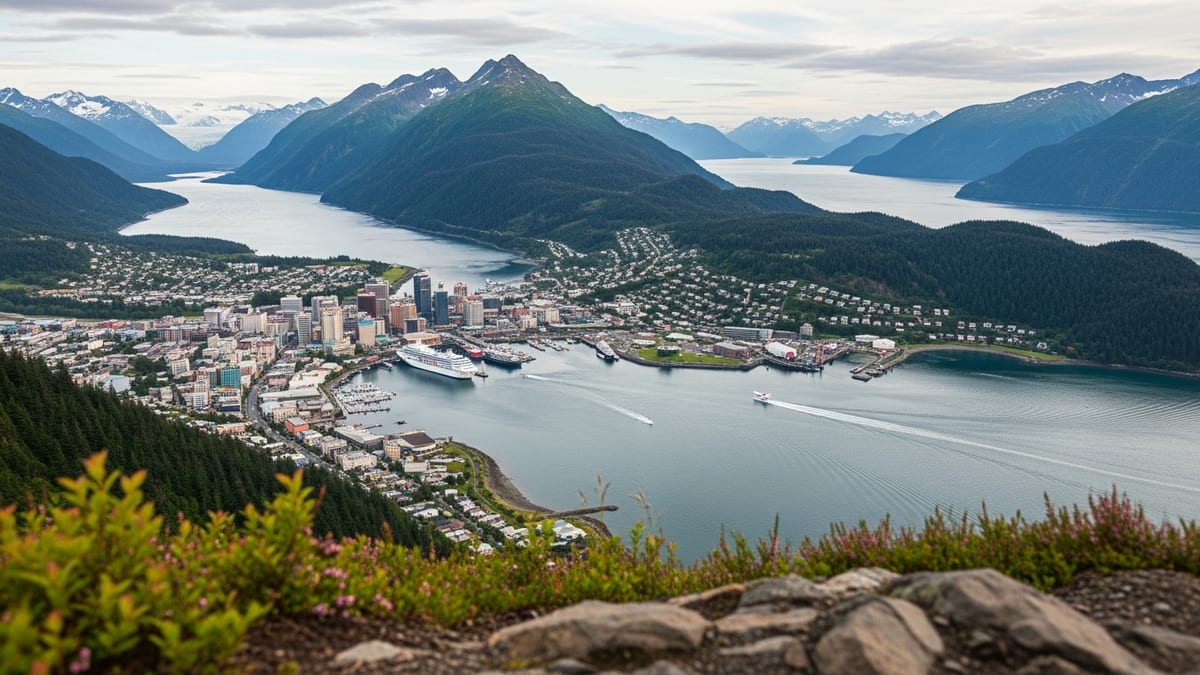
Ringed by mountains, glaciers, and the island-studded Inside Passage, Juneau is one of North America’s most spectacular small capitals. It feels part frontier town, part cruise port, part backyard wilderness.
Whether you arrive by ship, plane, or ferry, the reward is the same: close encounters with glaciers, whales, rainforest trails, and a distinctive Alaskan culture shaped by the sea and the Tlingit people. This guide covers what to see and do in and around Juneau, plus practical advice on when to go, how to get around, and what to know before you land in Alaska’s only roadless capital.
Orientation: Getting to Know Juneau
Juneau sits on the Gastineau Channel in Southeast Alaska, hemmed in by the Coast Mountains and the vast Tongass National Forest. The compact downtown hugs the waterfront, where cruise ships dock in summer and floatplanes buzz in and out of the harbor. Across the channel, Douglas Island offers quieter neighborhoods, forested trails, and views back toward the city and its surrounding peaks.
There are no roads connecting Juneau to the rest of Alaska or Canada. Travelers arrive by air through Juneau International Airport, by sea on the Alaska Marine Highway ferry system, or on cruise ships that call from late spring to early fall. Once you are there, local roads do extend along the shoreline, but the wilderness quickly takes over and the feeling is that of a small town at the edge of a vast landscape.
Historically, Juneau grew from a late 19th-century gold-mining camp into a regional hub. Remnants of this mining era still shape the cityscape, from steep hillside stairways and narrow streets to historic buildings in the downtown core. Overlaying that is a strong Indigenous presence, from Tlingit clan houses and totem poles to contemporary Native art and cultural centers that make it easy for visitors to engage respectfully with local heritage.
Geography and climate play an outsized role in daily life. Juneau’s setting in a temperate rainforest means lush greenery and abundant rainfall, especially in fall and winter. Snow covers the mountains well into late spring. The Juneau Icefield, stretching across the mountains behind town, feeds dozens of glaciers and helps create the dramatic scenery that draws visitors from around the world.
Top Natural Highlights: Glaciers, Whales, and Wilderness
Mendenhall Glacier is Juneau’s marquee attraction and the most accessible outlet of the Juneau Icefield. Located about 13 miles from downtown, it terminates in a lake ringed by forest, waterfalls, and viewpoints. Well-maintained trails lead to overlooks and to Nugget Falls, a powerful cascade that tumbles near the glacier’s face. Even as the ice has retreated significantly in recent decades, the setting remains one of the most striking in Alaska and offers an up-close look at how a warming climate is reshaping the landscape.
Visitors should be aware that the Mendenhall Glacier Visitor Center building is undergoing renovations and is scheduled to be closed until mid-April 2026, although the surrounding trails and outdoor viewing areas remain open daily. That means you can still experience the glacier, Nugget Falls, and lakeshore paths, but interpretive exhibits and indoor facilities are limited during the construction period. Check local information in the weeks before you travel for the latest on hours and any temporary trail closures or detours.
Out on the water, Juneau is one of the premier whale-watching hubs in Alaska. In summer, humpback whales feed intensively in nearby channels, sometimes bubble-net feeding cooperatively in groups, while orcas patrol the straits. Half-day boat trips typically depart from Auke Bay or the main harbor and often include sightings of sea lions, harbor seals, porpoises, and bald eagles. Late spring through early fall offers the most reliable whale activity, and many operators work with onboard naturalists to interpret what you are seeing.
Beyond whales and glaciers, Juneau opens quickly into wilderness. Short drives lead to trailheads that climb into alpine meadows or follow salmon streams shaded by spruce and hemlock. Nearby islands, fjords, and inlets can be explored on guided kayak tours or flightseeing trips. For many visitors, the appeal of Juneau lies not just in one marquee sight but in the cumulative effect of being surrounded by raw, easily accessible nature.
Essential Experiences in and Around Juneau
Riding the Mount Roberts Tramway is one of Juneau’s signature experiences. The aerial tram ascends from near the cruise docks up the steep slopes of Mount Roberts to an upper station around 1,760 feet above sea level. On clear days the views over Gastineau Channel, downtown, and the surrounding peaks are expansive. At the top, you will find short hiking loops, a nature center, and often cultural presentations or live performances that highlight local traditions
For a deeper mountain experience, hikers tackle the longer trails that climb toward the summits of Mount Roberts and Mount Juneau themselves. These routes are steep and often muddy, with significant elevation gain, but reward fit and prepared hikers with alpine scenery, wildflowers, and chances to spot marmots, grouse, or black bears. Weather in the high country changes fast, and snow can linger into early summer, so good footwear, layers, and situational awareness are essential.
Glacier flightseeing and helicopter tours appeal to travelers who want an aerial view of the Juneau Icefield or the chance to set foot on remote ice. Options range from short scenic flights to flights that include guided glacier treks or summer dog-sledding experiences on snowfields high above town. These premium trips are weather-dependent and can sell out in peak season, so advance reservations are wise if this experience is high on your list.
On the water, sea kayaking in protected coves and channels offers a quieter counterpart to motorized excursions. Guided outings may explore the coastline near town or launch closer to the Mendenhall Glacier viewpoint area for lake or coastal paddling. For something different, bear-viewing flight tours from Juneau hop to nearby islands, where brown bears fish for salmon in season. These trips are highly regulated and usually operate in small groups, emphasizing both safety and respect for wildlife.
Downtown, Culture, and Everyday Juneau
Juneau’s downtown core is small but densely packed with shops, galleries, bars, and restaurants. In peak cruise season, the waterfront streets can feel crowded during the day, especially when multiple large ships are in port under the city’s daily ship caps. Early morning and evening, after ships depart, reveal a more relaxed pace, with locals running errands, walking dogs, and catching up in cafes and pubs.
Public art and historic architecture give the center character. Colorful wooden storefronts, stair-stepped residential streets, and murals inspired by both Tlingit art and contemporary motifs line the hillsides. The state capitol and various government buildings remind visitors that this is the seat of Alaska’s political life, even if it looks more like a coastal town than a capital city. Wandering downtown on foot is the best way to soak up the atmosphere, with short side trips to neighborhood viewpoints and staircases for elevated city and channel views.
Across the Douglas Bridge, the neighborhoods on Douglas Island have a more residential feel, with trailheads leading into forested hills and beaches along the channel. Mayor Bill Overstreet Park, near the base of the bridge on the Juneau side, has become a favorite for visitors and locals alike, with a dramatic breaching whale sculpture and walking paths along the waterfront. It is an especially photogenic spot at sunset or when low clouds and mist add drama to the channel views.
Cultural experiences range from visiting museums and cultural centers to attending live performances and seasonal events. Exhibits often explore themes like Indigenous history and sovereignty, the gold rush era, commercial fishing, and contemporary life in Southeast Alaska. Galleries showcase both traditional and modern Alaska Native carvings, prints, and jewelry, alongside landscape photography and paintings inspired by the region’s coastal light.
When to Visit and What to Expect From the Weather
Juneau’s main visitor season runs from May through September, with cruise calls, tour schedules, and daylight all peaking in mid-summer. May and early June tend to be cooler but can bring clearer skies and fewer crowds. July and August have lush green vegetation and warmer temperatures, but also higher chances of rain and busier streets and attractions. September offers fall colors, cooler air, and fewer visitors, although some seasonal services begin to scale back later in the month.
Winter in Juneau, from roughly November through March, is quieter and can be rewarding for travelers prepared for short daylight and wintry conditions. Snow caps the surrounding mountains, and occasional cold snaps bring crisp, clear days. Not all tours operate, and some attractions scale down hours, but local life continues, and there is a more intimate feel in shops, museums, and neighborhood hangouts. Shoulder seasons in April and October can be unpredictable, with a mix of rain, wet snow, and occasional sunshine.
Regardless of when you visit, prepare for variability. Juneau’s marine climate produces frequent cloud cover and precipitation, with light layers of drizzle often punctuated by heavier showers. Temperatures in summer usually hover in the 50s and 60s Fahrenheit, with cooler conditions near glaciers or on the water. In winter, temperatures often sit near or just below freezing, although maritime influences moderate extreme cold compared with interior Alaska.
The key to comfort is thoughtful layering. Bring a waterproof shell, insulating mid-layers, and quick-drying base layers you can add or remove throughout the day. Lightweight gloves and hats are useful even in summer on boat decks or exposed overlooks. Comfortable, water-resistant footwear with good traction is important for both city walking and easy trails, given the likelihood of damp surfaces and occasional slick roots or rocks.
Practical Tips: Getting Around, Safety, and Local Etiquette
Once you arrive in Juneau, getting around is relatively straightforward. The downtown area is walkable, and local buses connect the core with outlying neighborhoods, the Mendenhall Valley, and Auke Bay. Taxis and rideshare services can be used for specific trips such as reaching trailheads or the Mendenhall Glacier parking area when bus schedules do not align. Many excursion operators provide shuttle transportation from cruise docks and major hotels to their departure points.
Wildlife and weather are the two big safety considerations. On trails, learn basic bear-aware habits: hike in small groups when possible, make noise in dense brush, secure food and scented items, and consider carrying bear spray if heading into more remote areas. Respect posted closures or advisories around salmon streams and berry patches, where bears are more likely to be feeding. In the mountains, be mindful of steep, muddy sections, the potential for loose rock, and rapidly shifting visibility when low clouds move in.
Glacier and river hazards deserve special attention. Mendenhall Glacier and its surroundings have seen accidents in recent years involving fast-moving streams, unstable ice, and steep terrain. Stay on marked trails, heed warning signs, and do not attempt to climb on glacier ice or approach close to calving faces or ice caves without a qualified guide and proper equipment. Along the Mendenhall River, glacial outburst floods have become a recurring summer concern; if you are staying or recreating near the river, follow local alerts during the warm months and obey any evacuation or closure notices.
Local etiquette in Juneau hinges on respect. Residents are proud of their home but sensitive to the influx of large visitor numbers in peak season. Give right of way on narrow sidewalks and trails, keep noise down in residential areas, and pack out trash from beaches and forests. When engaging with Indigenous art, performances, or cultural sites, listen to local guidance about photography and sharing, and whenever you can, support Native-owned businesses and artists directly.
Sustainable Travel and the Cruise Conversation
Tourism, especially cruise tourism, is central to Juneau’s economy, but it is also a source of debate. In recent years, passenger numbers have hit record highs, with more than 1.7 million cruise visitors in a single season. This has prompted the city to negotiate new limits on the number of ships and daily passenger counts, aiming to balance economic benefits with quality of life for residents and the health of local ecosystems.
As a visitor, you can contribute positively by being mindful of your impact. If you arrive on a cruise, consider exploring beyond the main souvenir strip: visit local galleries, independent cafes, or neighborhood parks. Book excursions with companies that emphasize small groups, naturalist interpretation, and low-impact practices, and be wary of operators that encourage unsafe behavior around wildlife or wilderness areas. If you stay overnight in town, your spending on lodging, dining, and local services helps diversify the tourism economy beyond the cruise model.
Environmental concerns extend beyond crowding. Climate change is reshaping the Juneau area through glacier retreat, rising temperatures, and the increasing frequency of glacial outburst floods linked to meltwater basins high above Mendenhall Lake. Visitors can learn about these changes at interpretive sites and through guided tours that explain how scientists and local agencies are monitoring and adapting to new realities. Supporting operators and organizations that prioritize conservation and education helps ensure that future travelers will experience the same dramatic landscapes you see today.
Finally, simple choices like carrying a refillable water bottle, declining single-use plastics when possible, and staying on established trails make a difference. In a relatively small community like Juneau, infrastructure for waste management and trail maintenance is finite, so the cumulative effect of many small, considerate actions by visitors is significant.
Planning Your Stay: Lodging, Food, and Trip Logistics
Juneau offers a mix of lodging options that reflect its dual identity as both a cruise port and a year-round community. In and near downtown, you will find midrange hotels, historic inns, and small guesthouses within walking distance of the waterfront and major attractions. Farther out in the Mendenhall Valley and Auke Bay areas, a selection of motels, bed-and-breakfasts, and vacation rentals caters to travelers who prefer quieter neighborhoods or easy access to specific activities such as whale watching or lake trails.
Because Juneau’s visitor season is short and demand high, booking early is important, especially for stays in June, July, and August. If your schedule is flexible, consider visiting in May or September, when room availability is often better and prices can be more moderate. Shoulder-season visitors should, however, confirm which tours and attractions are operating on their chosen dates to avoid disappointment.
The city’s dining scene, while compact, offers a satisfying range of options centered on local seafood and regional ingredients. Salmon, halibut, crab, and spot prawns feature prominently on menus, alongside hearty soups, chowders, and dishes reflecting Alaska’s diverse influences. Food trucks and casual cafes serve everything from reindeer sausages to vegan specialties, while pubs and cocktail bars pour local craft beers and spirits. In peak cruise season, popular spots can become crowded during midday and early evening, so consider dining slightly off-peak or making reservations when possible.
Logistically, factor in Juneau’s weather and transportation quirks when planning. Flight delays are not uncommon in periods of low visibility or storms, and ferry schedules can be affected by marine conditions. Build a cushion into your itinerary if you have critical connections in or out of Juneau, and avoid planning tightly stacked activities on arrival day. If you are renting a vehicle, remember that road distances are short and parking in the very center can be limited at busy times; many visitors find that combining walking, buses, and occasional taxis works perfectly well for seeing the main sights.
The Takeaway
Juneau brings together many of the elements that define an Alaska journey: glaciers and whales, dense rainforest and soaring peaks, Indigenous cultures and frontier history, a working harbor and a remote small-town feel. Its lack of road connections, often-cool skies, and sometimes-damp weather are not inconveniences so much as reminders that you are visiting a place shaped by nature first and human endeavor second.
With some thoughtful planning, a flexible mindset, and respect for the people and landscapes that make this region unique, you can experience Juneau at its best. Stand in the mist of a glacier-fed waterfall, watch a humpback’s fluke vanish beneath the surface, follow a forest trail where ravens call overhead, and then return to a harborfront cafe to warm up and reflect. Whether you stay for a day or a week, Juneau offers a memorable immersion into the coastal heart of Alaska.
FAQ
Q1: What is the best time of year to visit Juneau?
Most visitors come between May and September, when days are longest and most tours and attractions operate. July and August are busiest, with lush greenery and active wildlife, while May, early June, and September can offer fewer crowds and, at times, clearer skies and better availability.
Q2: How many days should I plan to stay in Juneau?
A minimum of two full days allows time for Mendenhall Glacier and a whale-watching or flightseeing tour. Three to five days gives you room to hike local trails, explore downtown more deeply, and potentially add side trips such as bear-viewing flights or extended kayaking excursions.
Q3: Can I visit Juneau without taking a cruise?
Yes. Many travelers fly in or arrive by Alaska Marine Highway ferry and use Juneau as a base for land-based exploration. Independent visitors have more flexibility with timing, can experience downtown when ships are not in port, and often find it easier to connect with local life beyond the main cruise corridors.
Q4: Is it safe to walk around downtown Juneau?
Downtown Juneau is generally safe and walkable, especially during daylight and early evening. As in any busy port, use normal urban common sense: keep valuables secure, be aware of traffic and bus congestion near the docks, and respect residential areas on the steep streets above the main commercial blocks.
Q5: Do I need special gear for visiting Mendenhall Glacier?
For standard visits to the lakefront viewpoints and Nugget Falls, sturdy walking shoes with good traction, a waterproof jacket, and warm layers are usually sufficient. If you plan to hike more rugged trails or join a guided trek on the ice, outfitters typically provide specialized equipment such as crampons or helmets, but you should still bring appropriate clothing and footwear.
Q6: Will I definitely see whales on a Juneau tour?
While sightings can never be absolutely guaranteed, Juneau’s summer whale-watching success rates are very high, and many operators offer some form of sighting guarantee during the core season. Peak whale activity generally runs from late spring through early fall, with humpbacks commonly seen feeding in nearby channels.
Q7: How do I get from downtown to Mendenhall Glacier?
The glacier area is about 13 miles from downtown. Options include local buses that stop within walking distance of the access road, taxis or rideshares, and shuttles arranged through tour operators. During the main visitor season, many organized excursions include round-trip transportation from cruise docks or central pickup points.
Q8: What should I know about bears and other wildlife?
Bears, eagles, and other wildlife are part of everyday life in Juneau. When hiking, make noise in dense vegetation, keep food secured, follow posted guidance, and never approach or feed wild animals. On guided tours, listen closely to your guide’s instructions; on your own, observe from a respectful distance and prioritize safety for both you and the animals.
Q9: Are there any special considerations about flooding or natural hazards?
In recent years, glacial outburst floods linked to meltwater basins above Mendenhall Lake have caused periodic summer flooding along parts of the Mendenhall River. If you are staying or recreating near the river, pay attention to local alerts, respect closures and evacuation notices, and follow guidance from city and emergency management officials during high-risk periods.
Q10: What is the dress code like in Juneau’s restaurants and bars?
Dress in Juneau is informal and practical. Even in nicer restaurants, smart casual attire such as clean jeans or travel pants, a sweater or collared shirt, and sensible shoes is generally sufficient. Many diners come straight from outdoor activities, so functional layers and weather-appropriate clothing are the norm rather than the exception.