

Port Carling bills itself as the Hub of the Lakes for good reason. Set where the Indian River connects Lake Muskoka to Lake Rosseau, with Lake Joseph just beyond, this compact Ontario village sits at the heart of one of Canada’s best-known cottage regions. Whether you are coming for a summer boating holiday, a fall colour escape, or a quiet winter weekend, Port Carling offers easy access to big-lake scenery, classic cruises, and a walkable downtown that still feels like a small town.
Getting Oriented: The Hub of the Muskoka Lakes
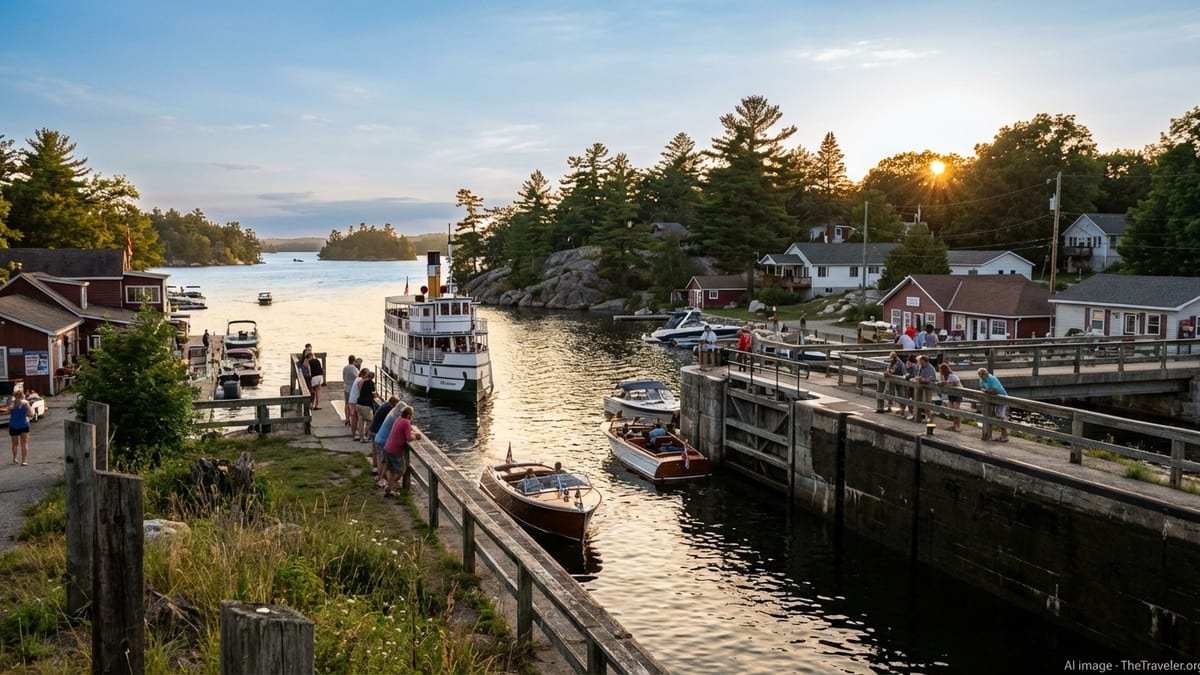
Port Carling lies about two hours north of Toronto, in the Township of Muskoka Lakes. The village clusters around a short stretch of locks and the Indian River, the slender channel that links Lake Muskoka to Lake Rosseau. From here, boaters can navigate what locals call the Big Three lakes: Muskoka, Rosseau, and Joseph, all long, island-studded lakes lined with forest, century-old cottages, and newer architectural showpieces. The working locks, in operation seasonally, remain a focal point of village life as pleasure craft and tour boats pass through.
Downtown Port Carling is compact and easy to explore on foot. Joseph Street forms the main spine, with side streets sloping down to the water and small parks framing views of the locks. In summer, sidewalks are busy with cottage owners picking up supplies, families in beachwear heading to the docks, and day-trippers stopping in on their way deeper into Muskoka. Even at peak times, the scale stays village-sized: low-rise storefronts, independent businesses, and enough space to grab a bench and watch boat traffic slide past.
It helps to think of Port Carling less as a single destination and more as a launch point. Within a short drive or cruise you can reach quiet bays on Lake Joseph, historic resorts on Lake Rosseau, and a network of forest trails and smaller lakes inland. Many visitors choose to stay in rental cottages or resorts scattered around the region and use Port Carling as their service centre for groceries, dining, and organized cruises.
The village has a clear rhythm across the year. From late May to early October, activity centers on the water, with cruises and marinas in full swing. Shoulder seasons bring cooler temperatures and changing colours but fewer crowds. Winters are quieter, though recent events such as Port Carling Winterfest have helped turn the lockside setting into a backdrop for skating and snow-focused fun.
Exploring the Lakes: Muskoka, Rosseau, and Joseph
The Big Three lakes define Port Carling’s identity. Lake Muskoka stretches to the south and east, a broad, island-dotted lake known for classic boathouses and long-established cottage enclaves. Anglers prize its mix of warm and cold-water species, and paddlers can weave among smaller islands and sheltered bays. To the north, Lake Rosseau fans out from Port Carling toward the villages of Windermere and Rosseau, framed by rocky shorelines and steep, forested points. Lake Joseph, reached via channels from Rosseau, feels a touch more remote, with deep water and a reputation for upscale properties tucked behind tree cover.
The locks in the middle of Port Carling are more than a sightseeing stop. They are the engineering link that allows continuous navigation between Lake Muskoka and Lake Rosseau, with Lake Joseph beyond. Pleasure boaters queue up in peak summer, and visitors on foot can stand alongside the lock walls to watch the process. Interpretive signs help explain how water levels are managed to keep the system in balance. It is an everyday reminder that these lakes are both playground and infrastructure for the wider Muskoka region.
For casual visitors without their own boat, the easiest way to experience the lakes is to join a cruise departing directly from Port Carling. Operators typically run from late spring through to about late October, conditions permitting, shifting from sun-soaked summer sailings to autumn colour tours as temperatures drop. Shorter outings often focus on nearby islands and notable stretches of shoreline, while longer cruises may venture farther toward Lake Joseph or deeper into Lake Rosseau.
The mood of the lakes changes with the seasons. In July and August you will see a mix of wakeboard boats, antique wooden launches, and small runabouts shuttling to cottages. Early mornings are quieter, ideal for paddling, while evenings bring glassy water and pastel skies. In September and early October, boat traffic drops and the shoreline flares with maple and birch leaves, making even a short cruise feel more serene. In winter the lakes freeze, turning the broad basins you saw from the deck of a cruise boat into snow-covered expanses that locals cross on skis or snowmobiles when conditions are safe.
Boat Tours, Cruises, and Getting on the Water
Port Carling’s shoreline is lined with docks that serve as departure points for a variety of cruises and private charters. One of the best-known operators is Sunset Cruises, which runs the historic Peerless II out of a dock near the bridge on Joseph Street. The Peerless II, built in the mid-20th century as a working supply boat, now offers scheduled summer and early fall cruises on Lake Muskoka, Lake Rosseau, and Lake Joseph. Typical outings range from 90 minutes to several hours and have themed routes that might highlight the Seven Sisters Islands on Lake Muskoka or long stretches of shoreline known informally as Millionaires Row, where large cottages and boathouses peek out from the trees.
Another local option is Muskoka Cruises, whose Lady Rosseau departs from the locks area for roughly 90-minute tours on Lake Rosseau. These cruises focus on scenery and shoreline architecture, tracing routes past wooded points, islands, and clusters of cottages that illustrate how Muskoka’s building styles have evolved from simple log structures to glass-heavy contemporary designs. Commentaries often touch on the area’s history as a summer playground and the logistics of living on an island cottage accessible only by boat.
Travelers seeking more flexibility can look to water shuttle and private tour services based in Port Carling. Muskoka Lakes Water Shuttle, for example, operates a covered pontoon-style vessel from spring through late October, offering everything from simple transfers to private sightseeing tours on the three main lakes. These services are particularly useful if you are staying at a water-access-only cottage or want a customized outing tailored to photography, swimming stops, or sunset views. Because schedules and availability can shift with demand and weather, it is wise to confirm details close to your travel dates.
Small-boat and paddling options round out the picture. Seasonal rental providers in the broader Muskoka Lakes area offer canoes, kayaks, and stand-up paddleboards that you can use to explore sheltered corners of the lakes or nearby smaller waterbodies. When planning time on the water, consider wind and traffic: mornings tend to be calmer, and bays near town can be busy on hot weekends. Always wear a lifejacket, check local regulations, and pay attention to navigation markers, as shoals and narrow channels are common across Muskoka’s glacially carved lakes.
On Shore: Museums, Murals, Trails, and Village Life
Even if you never step aboard a boat, Port Carling offers plenty to explore on foot. At the centre of the village, the Port Carling Wall dominates one side of a building facing the water. From a distance it looks like a single historic photograph of a steamship passing through the locks in the early 20th century. Step closer and you discover it is a massive photo mosaic composed of thousands of smaller images drawn from a century of local life. The mural has become both a backdrop for visitor photos and an informal starting point for learning about the village’s past.
Across a small footbridge from downtown, James Bartleman Island Park houses the Muskoka Lakes Museum, an independent community museum that has been sharing the region’s history since the late 1960s. Its galleries cover Indigenous history, early settler life, and the evolution of Muskoka’s resort and boating culture, including exhibits on wooden boat-building and cottage artifacts. In summer the museum supplements its displays with children’s programs, walking tours of the village, and occasional talks or trivia events, making it an engaging stop for families and anyone curious about how lake life developed here.
A short drive from the village brings you to the Hazlewood Trail, a historic route that once linked Port Carling to Port Sandfield. Today it is a forested hiking path with moderate climbs, passing through mixed hardwood stands and alongside wetlands shaped by beaver activity. The trail offers a contrast to the bustle of the docks, especially in spring and fall when birdlife is active and leaves are changing. Sturdy footwear is recommended, as roots and rocks can make footing uneven in places.
Back in town, Port Carling’s streets are lined with a mix of seasonal and year-round businesses, including small galleries, home decor shops, outfitters, and cafes. Summer weekends may bring outdoor markets or pop-up events, while shoulder seasons tend to be quieter and more relaxed. Simple pleasures are often the most rewarding: ice cream by the locks, a coffee on a bench overlooking the river, or an evening stroll along the waterfront as the last boats head in for the night.
Eating, Drinking, and Staying in and Around Port Carling
Port Carling’s dining scene reflects its role as a service hub for surrounding cottages and resorts. In peak season, restaurants and patios overlooking the water are in high demand, and reservations can be important for dinner, especially on weekends. Options in and around the village range from casual pub-style spots to bistros emphasizing local ingredients. Menus often highlight regional produce in season, along with freshwater fish, grilled meats, and familiar comfort dishes that appeal to multigenerational groups.
Cafes and bakeries play an outsized role in village life. Mornings see a steady flow of people picking up coffee, pastries, and sandwiches before heading out on the boat or back to their cottages. Many visitors build a daily ritual around one favourite spot, while others choose based on proximity to the docks. In summer, expect extended hours and more grab-and-go options, with a shorter but still serviceable selection outside peak season.
When it comes to accommodation, most visitors stay not directly in the village core but around the broader Muskoka Lakes area. Lakeside resorts, upscale hotels, and a large inventory of rental cottages spread along the shores of Lakes Muskoka, Rosseau, and Joseph all sit within easy driving distance. Some higher-end resorts, such as large properties on Lake Rosseau, attract guests looking for full-service stays with spas, dining, and on-site activities, while family-run lodges and rental cottages suit travelers who prefer more independence.
Availability and pricing shift noticeably between high and low seasons. July and August typically see the strongest demand, with stays often booked months ahead and minimum-night requirements common. May, June, September, and October can be appealing alternatives, balancing reasonably full services with a more relaxed atmosphere and, in autumn, striking foliage. Winter stays have historically been quieter, though increasing interest in cold-weather activities and festivals is beginning to stretch the travel calendar beyond the traditional summer window.
Seasons and Events: When to Visit Port Carling
Summer remains the headline season in Port Carling. From late June through August, water temperatures rise, marinas buzz with activity, and most restaurants, shops, and tour operators run at or near full capacity. This is the best time if swimming, watersports, and long evenings on the dock are priorities. The trade-off is heavier traffic on both roads and lakes, along with higher accommodation costs and the need for advance planning.
Spring and fall offer more breathing room. In May and early June, the forest greens up, blackflies and mosquitoes can be present in varying amounts, and lake water is still cool, but daytime temperatures often feel comfortable for hiking and exploring. September and early October bring quieter docks, crisp nights, and changing leaves. Many cruise operators continue running into the latter part of October, adding specific fall-colour sailings that showcase the shoreline at its brightest. Some seasonal businesses reduce hours or close after Thanksgiving, so it is worth checking what will be open during shoulder-season visits.
Winter in Port Carling used to be associated mainly with closed-up cottages and a slower pace. In recent years, events such as the Port Carling Lions Club Winterfest have helped reshape that image. Winterfest, generally scheduled for a February weekend, turns the village into a passport-style festival zone, with activities such as outdoor skating, horse-drawn carriage rides, children’s entertainment, downhill sliding on snow-covered slopes, and traditional contests like log sawing. The locks and frozen channel become a scenic backdrop rather than a thoroughfare, and visitors see a more local side of the community.
Whenever you choose to visit, weather in Muskoka can shift quickly. Summer afternoons occasionally bring thunderstorms that roll through and clear the air. Spring and fall temperatures can swing from warm sun to near-freezing overnight, and winter conditions range from fresh powder to crusted snow and ice. Packing layers, including windproof and waterproof outerwear, is wise in any season. If your plans are built around cruises or water-based activities, keep a flexible mindset and understand that safety considerations may lead operators to adjust or cancel sailings when conditions are not ideal.
Practical Tips for a Smooth Port Carling Escape
Arriving and getting around in Port Carling is straightforward but benefits from a bit of planning. Most visitors drive, following a network of highways and county roads north from the Greater Toronto Area. Weekend changeover times in summer can bring heavier traffic, especially on Friday evenings and Sunday afternoons, so building in extra time helps reduce stress. Once in the village, public parking areas near the library, museum, and main streets serve as staging points for exploring on foot.
If you have a cruise booked, aim to be at the dock well ahead of departure, especially during peak season. Boarding typically begins before the scheduled sailing time, and last-minute parking or lineups can be stressful. Many operators emphasize that schedules and offerings may change due to private charters, weather, or operational needs, so confirming details close to your date and keeping an eye on local communications is sensible. Bringing a light jacket, even on warm days, can make time on the open deck more comfortable once the boat gets moving.
Families will find Port Carling manageable with children. The walkable core, access to small parks, and variety of short cruises make it relatively easy to structure days in manageable chunks. Preparing for sun exposure on the water is important: hats, sunscreen, and refillable water bottles go a long way. Insects are part of life in the Canadian Shield, especially in late spring and early summer, so packing repellent and considering long sleeves and pants for evening walks can improve comfort.
Finally, it is worth remembering that Port Carling is a living community as well as a seasonal destination. Many people who serve visitors in summer are year-round residents with deep ties to the lakes and land. Basic courtesies such as observing speed limits on narrow roads, respecting noise bylaws, and leaving shorelines and trails as you found them help preserve the qualities that make the village appealing in the first place. A slower, more attentive pace often reveals the small details that define Muskoka life: the call of a loon at dusk, the smell of pine after rain, and the quiet satisfaction of watching the locks fill and empty as another boat heads out onto open water.
The Takeaway
Port Carling’s appeal lies in its balance of accessibility and escape. It is close enough to southern Ontario’s cities for a weekend visit yet firmly rooted in a landscape of granite, pines, and wide-open water that feels a world away. The locks and the Indian River give the village a clear centre, while the surrounding lakes broaden your options from relaxed sightseeing cruises to active paddling and watersports.
Whether you spend most of your time on deck aboard a historic boat, browsing local shops between ice cream stops, or tracing old portage routes through the forest, Port Carling offers multiple ways to tap into Muskoka’s lake culture. Planning around seasons, cruise schedules, and local events can turn a simple getaway into a richer experience, but some of the most memorable moments will likely be unhurried: watching a sunset reflect off the water, listening to the creak of dock planks underfoot, or noticing how the village adjusts as summer crowds ebb.
If you are looking for a Canadian cottage-country destination that combines classic lake scenery, approachable local history, and a practical base for exploring a wider region, Port Carling is a strong candidate. Come ready to slow down, pay attention to the rhythm of the water, and let the Hub of the Lakes show you why generations of visitors continue to return.
FAQ
Q1. Where is Port Carling, and how do I get there?
Port Carling is in the Township of Muskoka Lakes in central Ontario, roughly a two-hour drive north of Toronto under normal traffic conditions. Most visitors arrive by car via provincial highways and local county roads, then park and explore the compact village on foot.
Q2. When is the best time of year to visit Port Carling?
Summer, from late June through August, is ideal for warm-weather lake activities and full services, while September and early October offer fewer crowds and impressive fall colours. Winter weekends, especially during events like Winterfest, appeal to visitors who enjoy skating, snow, and a quieter village atmosphere.
Q3. Do I need my own boat to enjoy the lakes?
No, you can experience the lakes without owning a boat. Scheduled cruises on vessels such as the Peerless II and Lady Rosseau depart from Port Carling, and local shuttle and tour services offer private outings and water taxis to cottages and scenic spots.
Q4. Are boat cruises suitable for children and older travelers?
Yes, most standard sightseeing cruises are designed for a wide range of ages, with seating, railings, and on-board facilities. It is still wise to check access details for strollers or mobility aids and to bring layers, sun protection, and snacks, especially for younger children.
Q5. What should I pack for a Port Carling trip?
Plan for changeable weather by packing layers, a light waterproof jacket, comfortable walking shoes, and sun protection. If you expect to spend time near the water or on boats, add a hat, quick-drying clothing, and insect repellent for late spring and summer evenings.
Q6. Is Port Carling a good base for exploring the wider Muskoka region?
Yes, Port Carling works well as a central base, with road and water access to Lakes Muskoka, Rosseau, and Joseph, plus reasonable driving times to other Muskoka towns. Many visitors stay at nearby resorts or cottages and use the village for dining, shopping, and organized cruises.
Q7. Can I visit Port Carling as a day trip from Toronto?
It is possible to visit as a long day trip, particularly in summer when daylight hours are longer. However, staying at least one night allows you to enjoy calmer early mornings or evening cruises and reduces time pressure from highway traffic.
Q8. Are there hiking opportunities near Port Carling?
Yes, local trails such as the Hazlewood Trail provide forested routes within a short drive of the village, and the wider Muskoka region has additional paths of varying difficulty. Conditions can be uneven and muddy at times, so sturdy footwear and attention to signage are important.
Q9. What is there to do in Port Carling if the weather is bad?
On rainy or cool days you can explore the Muskoka Lakes Museum, browse shops and galleries, linger in cafes, or watch activity at the locks from covered vantage points. Some tour operators run boats with enclosures that provide shelter in less-than-perfect weather.
Q10. Is Port Carling expensive compared to other Ontario destinations?
Prices for accommodations, dining, and activities in peak summer can be higher than in many non-resort areas, reflecting strong seasonal demand. Visiting in late spring, early summer, or fall, and choosing simpler lodging or self-catering options, can help manage overall costs.