

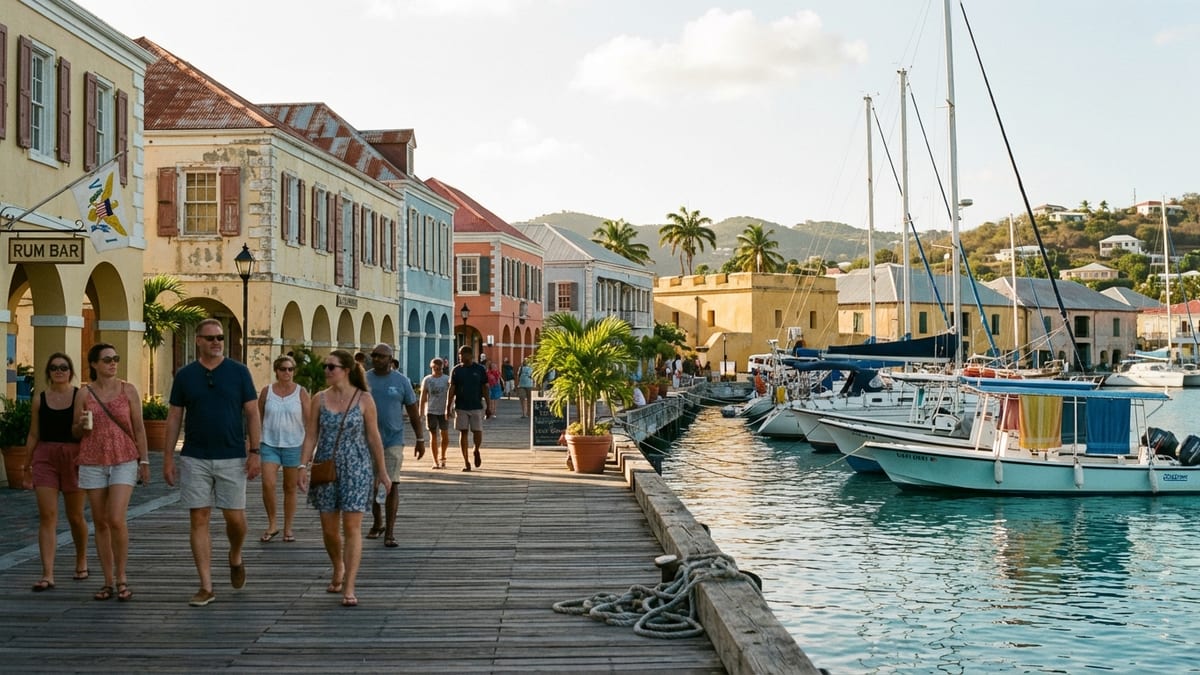
St. Croix, the largest of the U.S. Virgin Islands, has quietly transformed into one of the Caribbean’s most compelling destinations. Long overshadowed by St. Thomas and St. John, the island is now drawing record visitor numbers, new flights and a wave of recognition for its food, culture and beaches.
For U.S. travelers, it offers a seamless tropical escape with no passport requirement, a strong sense of place and far fewer crowds than many better-known Caribbean islands. This guide walks you through where to stay, what to do and what to expect when you plan a trip to St. Croix now.
Getting Oriented: Why St. Croix, and Why Now
St. Croix sits about 40 miles east of Puerto Rico in the northeastern Caribbean, part of the U.S. Virgin Islands territory alongside St. Thomas and St. John. The island is roughly 22 miles long and 7 miles wide, with two main towns: Christiansted on the north shore and Frederiksted on the west. Between them are rolling hills, cane fields, tranquil bays and protected coastal areas that remain undeveloped. Unlike highly built-up resort islands, St. Croix still feels lived-in and local, with historic Danish architecture, small family-run businesses and a strong Crucian identity.
Tourism has been booming across the U.S. Virgin Islands, and St. Croix is a central part of that rise. The territory closed 2025 with nearly one million airline passengers and around 1.83 million cruise passengers across St. Thomas and St. Croix, with cruise arrivals projected to climb further in 2026. St. Croix itself has earned high-profile accolades, including recognition as a top Caribbean island to visit and awards for its emerging culinary scene. For travelers, that means better air access, more polished experiences and a growing choice of accommodations, while the island still maintains a relaxed, uncrowded atmosphere.
Another advantage for U.S. visitors is practical: you are traveling within a U.S. territory. The U.S. dollar is the official currency, your phone plan may work as it does at home depending on carrier, and U.S. citizens arriving from the mainland typically do not need a passport. Domestic travel restrictions related to the pandemic were lifted in 2022, and the destination now operates in what local officials call an open-door phase for U.S. travelers. This makes St. Croix particularly convenient for last-minute getaways, family trips and extended winter escapes.
Despite the increasing popularity, St. Croix remains a place where you can still find empty stretches of sand, chat easily with residents and slip into Caribbean life without feeling rushed. There are no megacities and no high-rise skylines. Instead, you get pastel waterfront promenades, historic forts, rum distilleries, reefs and sea turtle nesting beaches, all on an island small enough to explore in a single stay but varied enough to keep you busy for a week or more.
Where to Stay: Choosing Your Home Base
Most visitors choose between staying near Christiansted on the north shore, close to the main marina and restaurant scene, or near Frederiksted and the west end, which is quieter and known for sunsets and beaches. The north shore works well if you want easy access to boat trips, Buck Island snorkel excursions and a variety of dining options within a short drive or taxi ride. Christiansted’s waterfront boardwalk, lined with small hotels, guesthouses and bars, is the island’s social center, especially in the evenings.
The west side around Frederiksted offers a different feel. This historic port town sits near Frederiksted Pier, where cruise ships dock and divers flock to world-renowned pier dives. The western coastline is known for calm water and some of the island’s best beaches, as well as easy access to Sandy Point National Wildlife Refuge, a protected area famed for leatherback sea turtle nesting. If you prioritize sunsets, beach time and a slower pace, Frederiksted and the surrounding countryside are appealing bases.
Accommodation ranges from full-service beachfront resorts to small inns, villas and short-term rentals, reflecting the island’s mix of independent and branded options. In recent years, the U.S. Virgin Islands has ranked near the top of the Caribbean in average daily hotel rates and revenue per room, which means prices can be higher than on some neighboring islands, particularly in peak winter season. However, there are still midrange and budget-friendly choices if you book early or travel in shoulder months, when promotions such as airfare credits and free nights are common through official tourism campaigns and participating properties.
When deciding where to stay, consider how you plan to get around. Many visitors rent a car to explore the island, which gives you flexibility to stay slightly outside town in quieter areas. If you prefer not to drive, choose accommodation within walking distance of the boardwalk in Christiansted or near Frederiksted’s compact town center, where you can take taxis, join tours or simply enjoy the waterfront without needing your own vehicle.
Top Things to Do on Land
St. Croix rewards travelers who are curious about history and culture as much as those who come for pure beach time. In Christiansted, the waterfront is anchored by a well-preserved 18th-century Danish fort, warehouses and arcades that recall the island’s colonial past. Walking the streets just behind the harbor, you will find pastel buildings, stone arches and shaded courtyards that speak to centuries of trade and migration. Guided walking tours bring this history to life, but you can also wander self-guided, stopping at small shops and cafes along the way.
Frederiksted on the west coast has its own fort and a broad seaside promenade that has seen waves of change from the age of sailing ships to the cruise era. The Ann E. Abramson Marine Facility, better known as Frederiksted Pier, now serves both as a deepwater pier for visiting ships and a hub for local recreation. Strolling its length provides wide views of the coastline and hills, and on non-cruise days it can feel surprisingly tranquil. Sunset from Frederiksted’s waterfront can be spectacular, with the sun dropping directly into the Caribbean Sea.
Beyond the towns, St. Croix’s interior is laced with small roads that run past plantation ruins, old windmills and hillside lookouts. Several former estates have been converted into heritage sites, gardens or event venues, where you can learn about the island’s sugar history and the communities that worked the land. You will also find rum distilleries that offer tours and tastings, a tradition that is deeply woven into the island’s agricultural and cultural story.
Festivals and events are another highlight. The Crucian Christmas Festival, typically spanning late December into early January, brings music, parades, food fairs and village festivities that draw visitors and locals together. Throughout the year, smaller events showcase local food, art, and music, reflecting the island’s growing recognition as a culinary destination and cultural hub within the U.S. Virgin Islands.
Beaches, Reefs and Outdoor Adventures
For many travelers, the biggest appeal of St. Croix lies along its shores. The island’s beaches range from lively to nearly deserted, with options for snorkeling, swimming, kayaking and just doing nothing at all. On the north side, you will find beaches backed by resorts and beach clubs as well as more natural stretches with nearby reef snorkeling. The water is typically clear and warm, with trade winds moderating the heat, especially from December through April.
On the west end, beaches near Frederiksted are known for calm conditions, especially in the morning, making them excellent for swimming, stand-up paddleboarding and beginner snorkeling. The area around Frederiksted Pier is famous among divers for its pilings covered in soft corals and sponges and for frequent encounters with sea turtles, seahorses and schooling fish. Shore diving here is accessible, and several local dive shops offer guided dives for all levels.
Nature lovers should not miss Sandy Point National Wildlife Refuge, located at the island’s southwest tip. This protected area is one of the Caribbean’s key nesting sites for endangered leatherback sea turtles and features a long arc of undeveloped sandy beach. The refuge is typically open to the public on limited days and hours outside the peak nesting and hatching season, and access rules are strictly enforced to protect wildlife. When open, it offers one of the most pristine beach experiences on the island, devoid of buildings, vendors or artificial light.
Inland, St. Croix has hiking trails that wind through dry forests and up to coastal viewpoints, along with off-road excursions that explore the rugged east end, where the landscape becomes rockier and more remote. This area is close to Point Udall, often described as the easternmost point of the United States by longitude. Sunrise here is a popular outing, with sweeping vistas over the Atlantic and the Caribbean meeting at the island’s edge.
On the Water: Snorkeling, Diving and Day Trips
St. Croix sits within a rich marine environment that includes fringing reefs, walls and shallow bays, making it a standout destination for snorkelers and divers. One of the island’s most famous natural attractions is Buck Island Reef National Monument, located just off the north shore. This protected reef system is accessible only by boat with licensed operators and is home to an underwater trail with interpretive markers, coral gardens and schools of tropical fish. Many tours combine snorkeling with time on the island’s stunning white-sand beach and a sail or powerboat ride across the channel.
Divers have multiple world-class sites to choose from. The north shore is known for dramatic wall dives, where the seafloor drops sharply from shallow reefs into the deep blue. These walls are covered with coral, sea fans and sponges and frequented by reef sharks, turtles and larger pelagics. On the west end, as noted, Frederiksted Pier offers one of the Caribbean’s iconic pier dives, with rich macro life and the chance to dive by day or night. Local dive centers offer everything from introductory resort courses to technical and wreck diving, and conditions are generally favorable year-round, with the clearest water and calmest seas typically in winter and spring.
For non-divers, there are plenty of ways to get out on the water. Sailing excursions, sunset cruises, kayak tours through coastal wetlands and bioluminescent bays, and stand-up paddleboard outings are widely available. Some operators focus on small-group or private charters, which can be an appealing way to avoid crowds, particularly when cruise ships are in port. Fishing charters are also popular, targeting species such as mahi-mahi, wahoo and tuna offshore, and snapper and grouper along the reefs.
Whatever you choose, it is worth paying attention to seasonal patterns. Winter and early spring are traditionally high season, with more visitors and higher prices but also reliable trade winds and comfortable temperatures. Late summer and fall are quieter and more humid, with increased chances of storms, so travelers at that time of year should monitor forecasts and consider travel insurance that covers weather-related disruptions.
Food, Drink and Nightlife
St. Croix’s culinary reputation has risen significantly in recent years, with regional travel media and industry awards naming it a standout food destination in the Caribbean. This recognition reflects a mix of high-end restaurants, inventive local chefs and a deep well of traditional Crucian cooking that draws from African, European, Caribbean and Latin American influences. Visitors can expect everything from thoughtfully plated tasting menus to roadside food trucks selling fish, chicken and local favorites.
In Christiansted, the compact core around the harbor and boardwalk packs in a high concentration of restaurants and bars. Waterfront venues serve fresh seafood, rum cocktails and Caribbean-inspired cuisine, while side streets reveal bakeries, cafes and smaller eateries where locals gather. Many menus highlight local ingredients such as fresh-caught fish, conch when in season, island-grown produce and classic dishes like kallaloo, stewed meats and fungi, a polenta-like cornmeal side.
Rum remains a central part of the island’s identity, and distillery tours offer insight into the production process along with tastings of traditional and flavored rums. You will also find bars and lounges specializing in cocktails that incorporate local rums, tropical fruits and regional ingredients. Nightlife on St. Croix is more low-key than on some larger Caribbean islands, centering on live music nights, cultural events and lively evenings along the waterfront rather than large nightclubs.
Street food and casual dining are essential parts of the experience. Look out for pop-up food vendors near festivals, beaches and town squares, where you can sample barbecued meats, fried fish, johnnycakes and other local favorites. These informal meals often provide the most immediate sense of the island’s flavors and hospitality, and they are usually more budget-friendly than sit-down restaurants, making it easy to mix and match dining styles during your stay.
Practicalities: Getting There, Getting Around and Safety
St. Croix is served by Henry E. Rohlsen Airport, with direct flights from select U.S. mainland hubs and regional connections through neighboring islands. In recent years, the U.S. Virgin Islands Department of Tourism has worked with airlines to expand service, and new or seasonal routes from major markets continue to appear, especially in winter. Cruise ships also call at St. Croix, docking at Frederiksted Pier. If you arrive by cruise, you will have only a day in port, so plan ahead if you hope to reach Buck Island, interior sites or far-flung beaches.
Once on the island, many visitors choose to rent a car, which offers the greatest flexibility. In the U.S. Virgin Islands, traffic drives on the left side of the road despite the U.S. jurisdiction, a legacy of Danish rule. Vehicles are left-hand-drive, as on the mainland, which can feel unusual at first. Road conditions vary from well-paved main routes to narrow, potholed side roads, so driving after dark or in heavy rain requires extra caution. Taxis are available but can be more expensive for longer journeys, and they do not always operate like metered city cabs; confirm fares before you set off.
In terms of travel requirements, U.S. citizens traveling directly from the U.S. mainland or other U.S. territories generally do not need a passport for entry to the U.S. Virgin Islands, though having one can simplify identification and onward travel. International travelers must follow U.S. federal entry rules just as they would when entering any U.S. airport. Domestic pandemic-era travel screening portals have been phased out, and the territory is currently promoting an open-door approach for U.S. travelers, though you should always check the latest guidance before you fly.
St. Croix is broadly considered safe for visitors, especially in main tourist areas, but standard urban travel precautions apply. Avoid leaving valuables in parked cars, be mindful of your surroundings at night and follow local advice on which areas are best visited with a guide. Hurricanes are a seasonal risk from roughly June through November, so anyone traveling during this window should monitor weather updates and understand their accommodation’s storm policies. Healthcare on the island includes hospitals and clinics, but for serious medical issues some patients are transferred to larger regional centers or the U.S. mainland, so comprehensive travel insurance is wise.
The Takeaway
St. Croix offers a combination that is increasingly rare in the Caribbean: strong infrastructure and air access within a U.S. territory, paired with a genuine sense of place, uncrowded beaches and a living local culture. Recent tourism growth and recognition have put it firmly on the radar, yet it has retained a slower pace and authenticity that many seasoned travelers seek out once they tire of larger resort destinations.
Whether you are drawn by Buck Island’s reef, Frederiksted’s pier dives, Sandy Point’s wild beach, the Crucian Christmas Festival or simply the idea of sipping rum on a quiet waterfront as the sun sets, St. Croix has depth beyond a typical sun-and-sand escape. Plan your base thoughtfully, rent a car if you are comfortable driving on the left, and leave room in your itinerary for unscripted moments, from conversations with local vendors to unplanned roadside food stops.
As the U.S. Virgin Islands continues to invest in tourism and St. Croix garners more attention for its culinary scene and laid-back charm, now is an ideal time to experience the island before it feels truly crowded. For many travelers, a single visit becomes a tradition, with St. Croix evolving from a dot on the map into a familiar, welcoming place they return to again and again.
FAQ
Q1: Do U.S. citizens need a passport to visit St. Croix?
In most cases, U.S. citizens traveling directly from the U.S. mainland or another U.S. territory to St. Croix do not need a passport, as the U.S. Virgin Islands is a U.S. territory. A government-issued photo ID is usually sufficient. However, a passport is recommended if you might continue to non-U.S. destinations on the same trip or return via another country.
Q2: What is the best time of year to visit St. Croix?
The most popular time to visit is from December through April, when temperatures are warm but not overly hot, humidity is lower and the risk of storms is minimal. Shoulder seasons in late spring and early summer can offer fewer crowds and better rates. The Atlantic hurricane season runs roughly from June through November, with the highest storm risk typically in late summer and early fall.
Q3: Is St. Croix expensive compared with other Caribbean islands?
St. Croix can be relatively costly, particularly for accommodations and some imported goods, as the U.S. Virgin Islands overall ranks high in the region for hotel rates and room revenue. That said, travelers can manage budgets by visiting in shoulder seasons, seeking promotional offers, choosing smaller inns or rentals and eating at local spots and food trucks in addition to high-end restaurants.
Q4: Do I need a car on St. Croix?
A car is highly recommended if you want to explore beyond town centers. Many of the island’s best beaches, viewpoints and historical sites are spread out, and public transportation is limited. Driving is on the left side of the road, which can take some adjustment, but most visitors acclimate quickly. If you prefer not to drive, staying in or near Christiansted or Frederiksted will give you better access to taxis, tours and walkable amenities.
Q5: Is St. Croix safe for solo travelers and families?
St. Croix is generally considered safe for visitors, including solo travelers and families, especially in main tourism areas and during daylight hours. Common-sense precautions apply: keep valuables secure, avoid poorly lit or unfamiliar areas at night, use licensed taxis or reputable tour operators and follow local advice. As with any destination, petty theft can occur, so do not leave belongings unattended on beaches or in rental cars.
Q6: What kind of activities can non-swimmers enjoy?
Non-swimmers will still find plenty to do on St. Croix. On land, you can explore historic forts and towns, visit rum distilleries and heritage sites, hike to viewpoints, browse local markets and attend cultural events and festivals. On the water, glass-bottom boat tours or larger catamaran cruises offer a way to see marine life without getting into the sea, and simply relaxing on the beach or at waterfront cafes is a major draw in itself.
Q7: How many days should I plan for a first visit?
For a first trip, four to five full days allows enough time to experience Christiansted, Frederiksted, at least one day on the water, a beach day and some inland exploring. A week gives you more breathing room to add Buck Island, multiple dive or snorkel excursions, extra beach time and unhurried meals. Many travelers find that a long weekend is enough to fall in love with the island but not quite enough to do everything on their list.
Q8: Are there any cultural norms or etiquette tips I should know?
Local residents on St. Croix value courtesy and personal greetings. It is considered polite to say good morning, good afternoon or good night when entering shops or speaking to someone for the first time, rather than beginning immediately with a request. Dress is generally casual, but beachwear is best kept to the beach; cover up when in town or entering businesses. As a predominantly Christian island with diverse faith traditions, Sundays and major holidays can be quieter, with some businesses closing or operating shorter hours.
Q9: What should I pack for a trip to St. Croix?
Light, breathable clothing, swimwear, a hat, sunglasses and reef-safe sunscreen are essentials. Comfortable sandals or water shoes are useful for rocky entries at some beaches, and closed-toe shoes are recommended for hiking or visiting certain heritage sites. A light rain jacket or compact umbrella can be handy during brief showers. If you plan to snorkel, you can bring your own mask and snorkel, though most tour operators provide gear.
Q10: Can I visit nearby islands from St. Croix?
While St. Croix is somewhat more geographically separate from St. Thomas and St. John than they are from each other, it is still possible to combine islands on a longer trip. Some travelers fly into one island and out of another, using interisland flights or ferries where available. Day trips from St. Croix to neighboring islands are more limited than from St. Thomas, so if multi-island hopping is a priority, consider structuring your itinerary in segments rather than relying on frequent day excursions.