

Zakynthos, also known as Zante, is one of the Ionian Sea’s most photogenic islands, famous for its dramatic limestone cliffs, neon-blue coves, and protected sea turtle nesting beaches. It is a place where postcard views meet laid-back Greek island life, with tiny mountain villages, vineyards, and olive groves sitting just inland from busy resort strips.
Getting Oriented: The Lay of the Land
Zakynthos lies off the west coast of mainland Greece in the Ionian Sea, south of Kefalonia and west of the Peloponnese. The island is relatively compact, about 40 kilometers from north to south, which makes it easy to explore by car or scooter in a few days. Still, the landscapes shift noticeably as you move around, from flat agricultural plains in the east to sheer cliffs and hidden coves on the west coast, and low-key villages in the interior.
Most visitors base themselves along the eastern and southern shores, where you find the main resort areas. Zakynthos Town, the capital and main port on the east coast, is the transport hub and cultural heart. South of town, the long bay of Laganas and neighboring Kalamaki host the liveliest strips and largest concentration of hotels, bars, and clubs. Further north, Tsilivi and Alykes offer a slightly calmer family-friendly scene with sandy beaches and plenty of facilities.
The west and north coasts are wilder and more rugged, dominated by cliffs, caves, and small fishing harbors. Porto Vromi, Agios Nikolaos in the northeast, and Skinari at the island’s northern tip are key departure points for boat trips to caves and remote beaches. Inland, traditional villages such as Keri, Volimes, and the hamlets around Bochali offer stone houses, small churches, and a slower pace that feels far removed from the beach clubs of Laganas.
Understanding this basic layout helps you decide where to stay and how to balance your time. Many travelers mix a base near the beach with day trips into the hills and around the coast, taking advantage of the island’s short driving distances while returning each night to a familiar neighborhood.
When to Visit Zakynthos
Zakynthos has a classic Mediterranean climate, with hot, dry summers and mild, wetter winters. From late April through October, you can expect plenty of sunshine and warm sea temperatures. High summer in July and August brings daytime highs that can reach around 30 to 33 degrees Celsius and long, bright days that are perfect for swimming and boating but can feel intense in the midday sun. During these peak months, the island is at its busiest, with full ferry schedules, lively nightlife, and all seasonal businesses open.
For many visitors, late May, June, September, and early October hit the sweet spot. Temperatures are typically a little milder, the sea is still pleasant for swimming, and the main sights are open without the same level of crowds you find at the height of summer. Boat trips to Navagio Beach and the Blue Caves generally start in spring and run through autumn, and you can combine swimming with sightseeing without the same pressure on space and services.
Winter, from November through March, is quiet. Some hotels, tavernas, and tourist services close, especially in resort towns, though Zakynthos Town and a handful of villages remain active year-round. This can be an appealing time for travelers interested more in local life, hiking, and photography than in beach-going, but you should be prepared for cooler temperatures, rainier days, and limited ferry and flight options.
If you are interested in the island’s famous loggerhead sea turtles, the nesting season typically runs from mid-May to late summer, with hatchlings emerging later in the season. This overlaps with peak tourism, but strict regulations help protect nesting beaches, and visiting during this period can give you a chance to learn about the conservation efforts that define Zakynthos’s modern identity.
Essential Sights and Natural Highlights
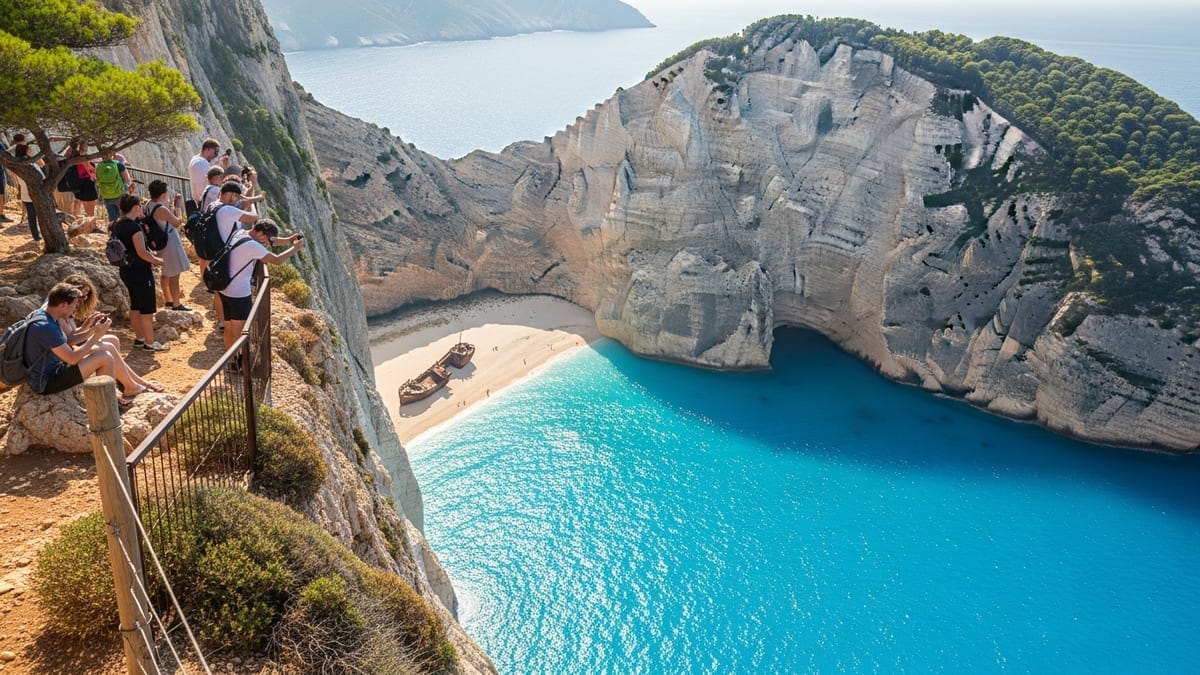
No first-time trip to Zakynthos feels complete without a glimpse of Navagio, also known as Shipwreck Beach, one of Greece’s most photographed stretches of sand. Set in a horseshoe-shaped cove backed by towering white cliffs, the small beach takes its nickname from the remains of a freight ship that ran aground in the early 1980s. Today, visitors experience Navagio in two ways: by boat, landing on the pebbly shore to swim in startlingly blue water, or from above, through viewpoints on the cliffs where you can look down over the cove. For safety reasons, cliff-edge areas are fenced and sometimes access to certain sections can be restricted, so always follow current local guidance when you arrive.
The Blue Caves, located primarily along the northeast coast near Cape Skinari, are another major natural draw. Boats glide into sea-carved arches and grottoes where the light refracts off the white rock and clear seabed, turning the water intense shades of turquoise and electric blue. Some trips allow you to jump in and swim, though conditions depend on the sea and the specific operator. Early mornings or late afternoons tend to be quieter, and calmer seas generally make for a more pleasant ride.
To the south, the National Marine Park of Zakynthos protects Laganas Bay and surrounding coastal areas, which are vital breeding grounds for the endangered Caretta caretta sea turtle. Within the park you will find sandy nesting beaches such as Gerakas, Dafni, Kalamaki, and the small island of Marathonisi, as well as zones where boat traffic and other activities are strictly regulated. Visiting these areas offers a chance to see a wilder side of the island’s coastline, but it is important to understand and respect local rules if you want to help preserve the habitat.
Beyond the coastline, inland Zakynthos offers a quieter set of highlights. The village of Keri, set on a hillside above the sea, is known for its traditional stone houses, narrow lanes, and views toward the Keri lighthouse and Mizithres rocks offshore. In the north, the area around Volimes and Exo Chora has olive groves, vineyards, and small workshops where families produce local honey, wine, and cheese. These rural stretches are ideal for slow drives, scenic walks, and tastings that connect you to the island’s agricultural roots.
Beaches, Bays, and the Marine Park
The beaches of Zakynthos range from long, sandy stretches with shallow water to tiny pebble coves at the base of cliffs. In the south, Laganas Beach is the most famous and one of the busiest, lined with bars, snack stands, and sunbeds. While the sand and warm, shallow water are attractive, this area sits within the marine park, so there are restrictions on nighttime beach use and on certain motorized water sports. Neighboring Kalamaki has a more relaxed feel and similar golden sand, making it popular with families.
Further east and north, Tsilivi, Planos, and Alykes offer more mainstream resort beaches, each with its own mix of tavernas, rental loungers, and water activities. These locations are well suited to travelers who want easy access to amenities and a sociable atmosphere along the waterfront. For a slightly different scene, head to Porto Zoro, Banana Beach, or St Nicholas Beach in the Vasilikos peninsula, where organized strands mix with more natural-feeling coves backed by pine trees and low cliffs.
The most strictly protected beaches are those inside Zones A and B of the National Marine Park. At sites such as Gerakas and Dafni, daytime access is often limited to certain hours, usually from morning until sunset. Visitors are required to keep their towels and umbrellas close to the water’s edge and avoid walking further up the sand where turtle nests are located. On Marathonisi island, the number of visitors at any one time is restricted, and there are bans on anchoring and on placing umbrellas into the sand to protect nests beneath the surface.
Respecting these rules is not only a legal requirement but also part of traveling responsibly on Zakynthos. Removing litter, avoiding artificial light at night on nesting beaches, and skipping boat activities that chase or harass turtles all help preserve the environment that draws so many people to the island. Many local organizations and visitor centers explain the marine park zoning and offer guidance on how to enjoy these unique beaches without harming the wildlife.
Experiences and Activities on Land and Sea
Much of Zakynthos’s appeal lies in its coastline, so boat trips are a major part of the visitor experience. From ports like Agios Nikolaos, Porto Vromi, and Zakynthos Town, you can join organized excursions that combine multiple highlights, such as the Blue Caves, Navagio Beach, and swimming stops in secluded bays. There are also smaller boats for hire, with or without a skipper, that allow you to explore segments of the coast at your own pace. Within the marine park, certain zones limit boat speed, mooring, and anchoring, so pay close attention to briefings and posted signs before you set out.
Snorkeling and swimming are excellent in many bays, thanks to the island’s clear waters and rocky seabeds. While Zakynthos does not have the coral reefs you find in tropical destinations, it offers plenty of fish, underwater rock formations, and caves to explore near the surface. If you are interested in diving, there are a handful of dive centers offering trips to underwater arches, caves, and reefs, though some areas near turtle nesting sites remain off-limits to protect the ecosystem.
On land, hiring a car or scooter for a day or two opens up the interior. Scenic drives along the west coast reveal viewpoints over sheer cliffs and the open sea, while a route through villages like Kambi, Maries, and Volimes offers a glimpse of rural life. Bochali, a hill above Zakynthos Town, is a favorite spot for panoramic views over the harbor and the eastern coast, especially around sunset. There are short walking trails and informal paths scattered across the island, although marked long-distance hiking routes are still limited, so it is wise to carry a map or rely on local advice when heading off the main roads.
Cultural experiences tend to be low-key but rewarding. Small village festivals and religious celebrations, especially in summer, may include live music, dancing, and communal meals. In Zakynthos Town, you can visit churches such as Agios Dionysios, which houses the relics of the island’s patron saint, as well as small museums that highlight local art, history, and the impact of the devastating 1953 earthquake that reshaped the city.
Food, Drink, and Local Culture
Zakynthos’s food scene is rooted in traditional Greek and Ionian cuisine, with an emphasis on olive oil, fresh vegetables, local cheese, and seafood. Tavernas across the island serve familiar Greek staples like souvlaki, moussaka, and grilled fish, alongside local specialties. You may encounter dishes such as rabbit stew, beef cooked slowly in tomato-based sauces, and baked pasta casseroles, often flavored with cinnamon, cloves, and local herbs. In the interior, many small restaurants incorporate ingredients grown just a few kilometers away.
Olive oil is central to daily life and to the island’s economy. Driving inland, you will pass ancient gnarled olive trees and small presses where families produce oil with long-practiced methods. Local wineries produce a variety of whites and reds, and you can often taste them at tavernas or at the cellar doors. Sweet treats might include mandolato, a traditional nougat, and pasteli, a sesame and honey bar, both of which reflect Venetian and broader Mediterranean influences from centuries of trade and occupation.
The cultural rhythms of Zakynthos shift with the seasons. In high summer, nightlife in spots such as Laganas and Tsilivi runs late into the night, with bars, clubs, and beach parties catering to a young, energetic crowd. Elsewhere, evenings focus on leisurely dinners, family gatherings, and strolling along seafront promenades. August often brings religious festivals and saint’s days that blend solemn processions with celebratory food and music, offering visitors a chance to experience local traditions if they are respectful and observant guests.
English is widely spoken in main tourist areas, and you will notice menus, signs, and information boards in multiple languages. Learning a few basic Greek phrases, however, can go a long way in more rural villages and is generally appreciated. Simple greetings, thank-yous, and polite expressions can open doors to conversations that provide a deeper understanding of how residents balance tourism with preserving their own way of life.
Practicalities: Getting There, Getting Around, and Where to Stay
Zakynthos is accessible by air and sea. Zakynthos International Airport, located a short drive south of Zakynthos Town near Kalamaki, handles seasonal flights from various European cities, especially between late spring and early autumn, along with domestic flights that often route through Athens. By sea, ferries connect Zakynthos with the mainland port of Kyllini in the Peloponnese, with crossings typically taking about an hour. During high season, services usually increase, while in winter the timetable can be limited, so it is important to check schedules close to your travel dates.
Once on the island, your choice of transport will shape your experience. Local buses connect Zakynthos Town with some of the main resort areas and villages, but departure times may be less frequent outside peak months and often cater mainly to commuter and school schedules. Taxis are available in town and tourist centers, with official ranks and set rates for typical routes. For flexibility, many visitors rent a car, scooter, or quad bike for at least a few days, giving them the freedom to explore the west and north coasts, inland villages, and viewpoints at their own pace.
Accommodation spans large beach resorts, small family-run hotels, self-catering apartments, and villa rentals scattered across the island. Laganas, Tsilivi, and Kalamaki offer the densest clusters of hotels and budget-friendly options, while the Vasilikos peninsula, Keri, and some northern villages cater more to travelers seeking privacy, boutique stays, or quieter surroundings. In high season, particularly in July and August, booking well ahead is advisable, as popular properties can fill quickly and last-minute prices may climb.
Everyday costs on Zakynthos can vary by area and season, but eating at local tavernas, buying fruit from markets, and staying in simple guesthouses can help keep expenses moderate. Card payments are widely accepted, although it is still sensible to carry some cash, especially in smaller villages or at beach bars and kiosks. As on any trip, travel insurance is recommended, and it is worth confirming what medical facilities and pharmacies operate near your chosen base, especially if you have specific health needs or are traveling with young children.
Responsible Travel and Turtle Protection
One of the defining characteristics of Zakynthos today is its role in the conservation of the endangered loggerhead sea turtle. The National Marine Park covers much of Laganas Bay and surrounding waters, along with key nesting beaches on the south coast. Regulations are in place to protect both nesting females and hatchlings, and visitors have a direct impact on how effective these measures are. Understanding the rules before you arrive helps ensure your holiday does not inadvertently harm the turtles you may be hoping to see.
On nesting beaches, access is typically limited to daylight hours, and there are designated areas where visitors can sit, walk, and swim. You will often see wooden cages or markers on the sand that indicate nests beneath the surface. It is crucial not to disturb these markers or dig in the surrounding area. Beach umbrellas and sunbeds are restricted on parts of protected beaches because pushing poles into the sand can damage unseen nests. Visitors are usually required to stay close to the waterline and avoid walking higher up the beach where eggs are incubating.
Out on the water, boat speed limits and access zones are designed to reduce the risk of collisions with turtles and to minimize noise and wake. Within certain parts of the marine park, boats are not allowed to anchor or moor, and specific speed caps apply. When swimming or snorkeling, maintaining a respectful distance from any turtles you might encounter is essential. Touching, chasing, or crowding around them can cause stress and alter their natural behavior, and organized tours that ignore these principles may be contributing to long-term harm.
Responsible travel on Zakynthos also extends beyond turtle conservation. Reducing plastic waste, refilling water bottles where possible, and supporting businesses that demonstrate environmentally conscious practices all contribute to easing the pressure of tourism on the island. Choosing tours that prioritize small groups, adhere to marine park rules, and provide clear briefings on wildlife ethics can help reinforce standards that benefit both visitors and the local ecosystem.
The Takeaway
Zakynthos combines the dramatic beauty of limestone cliffs and hidden coves with the warmth of small villages, family-run tavernas, and a culture shaped by both Greek and Venetian influences. You can spend your days on sandy resort beaches or seek out quieter inlets and hilltop viewpoints, all within relatively short driving distances. The island’s fame as a sea turtle nesting ground adds a layer of environmental awareness that shapes how and where you swim, sunbathe, and explore the sea.
Planning ahead, especially regarding the best time to visit, how you will get around, and where you want to base yourself, will help you make the most of the island’s varied offerings. Building in time for both essential sights such as Navagio and the Blue Caves and for unhurried wandering in mountain villages or along seafront promenades can give your trip a satisfying balance between headline attractions and everyday island life.
Most importantly, approaching Zakynthos with respect for its marine park rules, local customs, and fragile coastal ecosystems ensures that the island’s natural and cultural richness can endure for future travelers and for the people who call it home. With thoughtful choices and a curious mindset, your visit can be both memorable and meaningful.
FAQ
Q1: Do I need a car to explore Zakynthos?
While it is possible to get around using local buses and taxis, renting a car or scooter for at least a few days gives you far more freedom to reach viewpoints, small villages, and less accessible beaches. Distances on the island are short, but public transport does not always cover the west and north coasts in a convenient way, especially outside peak summer.
Q2: Is it still possible to visit Navagio (Shipwreck Beach) safely?
Access to Navagio can change depending on sea conditions and safety assessments of the surrounding cliffs. Boat trips usually approach the cove for swimming and photos, and there are viewing areas on the cliffs above. You should always follow current local advice, respect any closures, and avoid going beyond barriers at viewpoints near the cliff edge.
Q3: When is the best time of year to see sea turtles?
Loggerhead sea turtles typically nest on Zakynthos from around mid-May through the summer, with hatchlings emerging later in the season. Even during this period, sightings are never guaranteed, and it is important to view turtles in a way that does not disturb them. Look for tour operators who clearly follow marine park guidelines and emphasize respectful distances and limited time near the animals.
Q4: Are the beaches suitable for families with children?
Yes, many beaches on Zakynthos are family-friendly, with shallow, calm waters and soft sand. Areas such as Kalamaki, Tsilivi, and Alykes are popular with families and offer lifeguards in season, sunbeds, and nearby facilities. On protected nesting beaches, be prepared to follow specific rules about where children can play and where umbrellas and toys can be placed.
Q5: How busy does Zakynthos get in peak season?
July and August are the busiest months, with popular beaches, towns, and boat trips often crowded. Nightlife in resorts like Laganas becomes particularly energetic, and accommodation prices rise. If you prefer a quieter atmosphere, consider visiting in late May, June, September, or early October, when the weather is usually still warm but overall visitor numbers are lower.
Q6: What should I pack for a summer trip to Zakynthos?
Lightweight clothing, swimwear, a hat, and high-SPF sunscreen are essential for the strong summer sun. Comfortable footwear is useful for exploring villages, viewpoints, and rocky paths down to some coves. A light jacket or shawl can be useful for breezy evenings, and a reusable water bottle helps you stay hydrated and reduce plastic waste.
Q7: Is tap water safe to drink on Zakynthos?
Tap water is generally treated, but many visitors and some locals prefer to drink bottled or filtered water because of taste and varying mineral content. It is best to check with your accommodation provider for specific advice. Using refill stations or larger water containers can help minimize the number of small plastic bottles you consume.
Q8: How can I respect local customs and culture?
Dress modestly when visiting churches and monasteries, covering shoulders and avoiding beachwear in religious or formal settings. Speaking quietly in sacred spaces, asking permission before photographing people, and learning a few Greek phrases for greetings and thanks are simple ways to show respect. Observing how locals behave in situations such as festivals or processions and following their lead is also helpful.
Q9: What kind of nightlife can I expect?
Laganas is the center of late-night bars, clubs, and beach parties, catering especially to younger visitors who enjoy loud music and dancing into the early hours. In other areas such as Tsilivi, Zakynthos Town, and resort villages, nightlife tends to revolve around tavernas, cocktail bars, and seafront strolls, with a more relaxed and family-oriented ambiance. You can choose your base depending on the kind of evenings you prefer.
Q10: How can I minimize my environmental impact while visiting?
Follow all marine park and beach regulations, especially regarding turtle nesting areas. Avoid motorized water sports in sensitive zones, reduce plastic use, dispose of rubbish properly, and choose tour operators who stress small group sizes and wildlife-friendly practices. Supporting local businesses, using water and energy thoughtfully, and staying on marked paths in natural areas all help protect Zakynthos for residents, wildlife, and future travelers.