

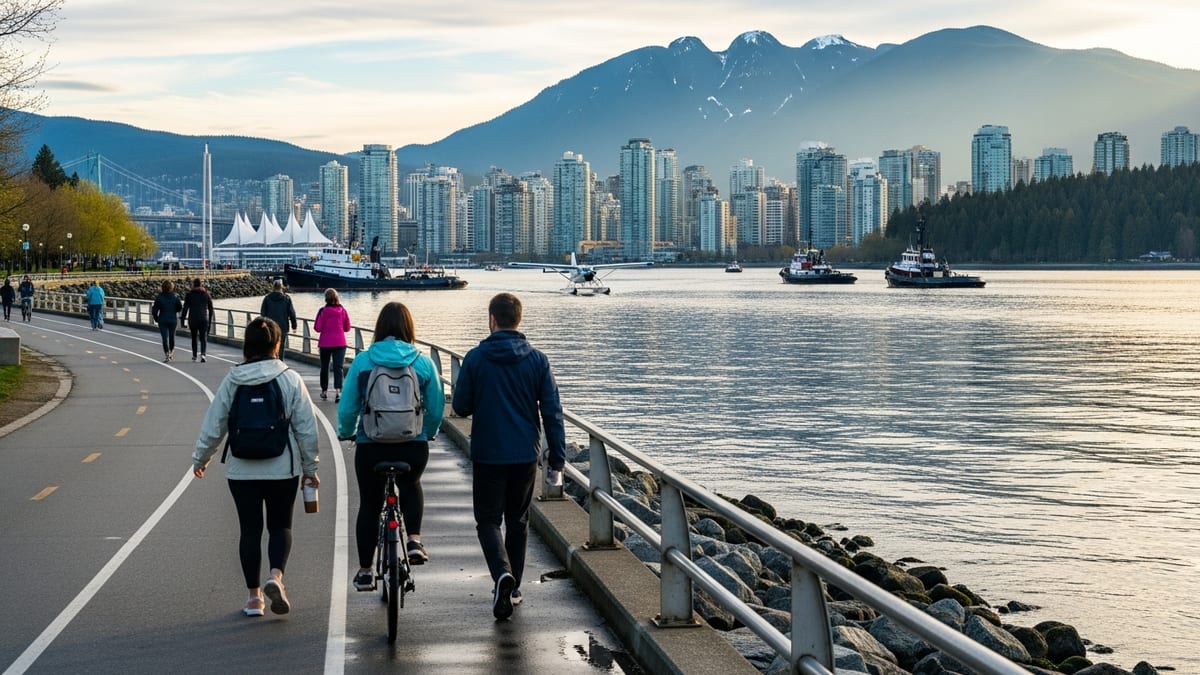
Vancouver is the rare city that balances glass-tower modernity with mountains, temperate rainforest, and a working harbor that never quite sleeps. For travelers, it offers an easy gateway to the landscapes of British Columbia while delivering sophisticated dining, lively neighborhoods, and a transit system that makes it relatively simple to explore without a car.
This guide brings together what you need to know before you go, from when to visit and where to stay to the must-see highlights, local etiquette, and practical tips that will help you move around the city with confidence.
Understanding Vancouver: Layout, Neighborhoods, and Vibe
Vancouver sits on the southwestern corner of British Columbia, framed by the Coast Mountains to the north and the Strait of Georgia to the west. The walkable downtown core occupies a compact peninsula, making it easy to move between major districts such as the West End, Yaletown, Coal Harbour, and Gastown on foot or by short transit hops. Across False Creek, the neighborhoods of Kitsilano and Fairview have a more residential, beachside feel, while North Vancouver and West Vancouver rise steeply across Burrard Inlet, connected by bridges and SeaBus ferries.
For most visitors, the key districts are downtown and its immediate neighbors. The West End borders Stanley Park and English Bay, with tree-lined streets, older high-rises, and a relaxed, local atmosphere. Yaletown, a former warehouse district, has been transformed into a polished enclave of lofts, restaurants, and waterfront parks along the seawall. Historic Gastown, with its brick buildings and cobblestone textures, mixes design boutiques, bars, and some of the city’s top restaurants. Nearby, Chinatown remains an important cultural hub, though like many North American Chinatowns it is evolving amid shifting demographics and development pressures.
Vancouver’s broader metropolitan area includes suburban cities such as Burnaby, Richmond, Surrey, and Coquitlam, all linked by SkyTrain rapid transit and buses. While many visitors stay within the core, day trips to Richmond for its Asian food scene or to North Shore communities such as North Vancouver for hiking and mountain activities are straightforward. The city’s multicultural population shapes everything from the languages you hear on the street to the sheer range of cuisines available at every price point.
The city’s vibe is casual and outdoors-focused. Suits are rare outside corporate offices and formal events, and athletic wear is common even in central neighborhoods. Locals tend to be reserved but polite; lining up, using crosswalks, and giving people personal space are all part of the social code. That understated style can sometimes read as aloofness, but a direct question or friendly comment usually opens doors quickly.
When to Visit and What Weather to Expect
Vancouver has a temperate coastal climate, moderated by its position on the Pacific. Winters are relatively mild compared with much of Canada, with rain more common than snow at sea level. Summers are typically warm but not scorching, with lower humidity than many eastern North American cities. That said, climate patterns have become more volatile in recent years, with occasional summer heat waves and smoky conditions from regional wildfires, as well as colder snaps in winter.
The prime visitor season runs from late May through September, when you are most likely to encounter clear skies, comfortable temperatures, and the full slate of outdoor events and festivals. July and August bring the most reliable beach weather, long evenings, and bustling patios. This is also when accommodation prices and crowds are at their peak, particularly around major events such as Canada Day on July 1, the Celebration of Light fireworks competition, and various cultural festivals scattered through the season.
Shoulder seasons in April, May, late September, and October can be ideal if you are willing to risk some rain. Trails in nearby parks and on the North Shore mountains tend to be quieter, fall colors glow in the city’s older neighborhoods, and hotel rates often soften compared with the height of summer. Early spring can still be chilly, especially in the evenings, but you may be able to ski in the morning on local mountains and stroll the seawall in the afternoon.
Winter, from November through March, is dominated by grey skies, rain, and shorter days, though there are breaks of sunshine. For skiers and snowboarders, this is the time to use Vancouver as a base for local mountains like Grouse, Cypress, and Seymour, or to connect onward to Whistler. Within the city, you will find lower prices, fewer crowds, and a flourishing restaurant and cultural scene that continues regardless of weather. Pack layers, waterproof footwear, and a shell jacket and you can still explore comfortably.
Essential Sights: From Stanley Park to the North Shore
Stanley Park is Vancouver’s signature attraction and a natural starting point for first-time visitors. This 1,000-acre urban park wraps around the tip of downtown, offering dense forest, beaches, gardens, viewpoints, and the famed seawall path that traces its perimeter. Walking or cycling the seawall provides constantly changing vistas of the harbor, North Shore mountains, and city skyline. Within the park, visitors gravitate to viewpoints such as Prospect Point, the collection of Indigenous totem poles near Brockton Point, and family-oriented areas like Second Beach and the Vancouver Aquarium.
Granville Island, a short ferry ride or drive from downtown, functions as a compact cultural and culinary district. Its covered public market is packed with local produce, baked goods, seafood, and food counters, while surrounding streets host artist studios, theaters, small galleries, and waterfront patios. It is an easy half-day excursion, especially when paired with a stroll or bike ride along the False Creek seawall on either side of the water. The island is busy in peak season, but the energy is part of its appeal.
Across the water, the North Shore draws visitors for both dramatic scenery and accessible adventure. Capilano Suspension Bridge Park offers forested walkways, a long suspension bridge over a river canyon, and cliffside and treetop paths. It is heavily visited and priced accordingly, but many travelers still consider it a highlight. Nearby, Lynn Canyon Park in North Vancouver provides a more low-key network of trails and its own suspension bridge, with fewer commercial trappings. Grouse Mountain, reached by gondola or steep hiking trail, delivers sweeping views over the city along with seasonal activities that range from skiing and skating in winter to hiking, wildlife viewing, and open-air shows in summer.
Within the core of the city, a stroll through Gastown introduces you to some of Vancouver’s oldest streetscapes, with preserved brick buildings now housing design shops, galleries, cocktail bars, and independent retailers. The neighborhood’s steam-powered clock has become an iconic, if touristy, landmark. Robson Street and surrounding downtown blocks concentrate flagship shops and department stores, while the West End streets near English Bay lead quickly from dense urban grids to sandy shoreline and sunset views that gather half the city on warm evenings.
Experiences: Food, Culture, and the Outdoors
Vancouver’s food scene reflects the city’s diversity and coastal location. Seafood is a natural star: local salmon, halibut, and spot prawns feature prominently when in season, and sushi is ubiquitous, from casual takeout spots to high-end omakase counters. Dim sum and regional Chinese cuisines are exceptional, particularly in Richmond, which many food writers now describe as one of the most interesting places in North America to explore Asian restaurants. You will also find strong representations of Korean, Japanese, South Asian, Middle Eastern, Italian, and plant-based cooking across the city.
Food trucks and casual eateries are embedded in daily life, especially downtown and along major corridors. Coffee culture is well established, with local roasters operating thoughtful cafes where laptop users, students, and freelancers linger throughout the day. Reservations are highly recommended at popular restaurants, especially on Thursday through Saturday nights and during busy summer periods. Tipping customs generally follow North American norms, with 15 to 20 percent standard in sit-down settings; many payment terminals will default to similar suggested amounts.
On the cultural front, Vancouver Art Gallery and the Museum of Anthropology’s collections and exhibitions have long been touchpoints for understanding both local art and the broader cultural history of the region, particularly the work of Indigenous artists and communities. Smaller galleries in neighborhoods such as Mount Pleasant and Gastown, as well as artist-run centers and studios, host rotating shows that give a window into current creative conversations. Live performance thrives in theaters around Granville Street, South Granville, and Granville Island, with everything from large touring productions to experimental theater and stand-up comedy.
The outdoors shapes daily life in ways that are immediately apparent. Locals run and cycle year-round along the seawall, paddleboard and kayak in English Bay and False Creek, and treat neighborhood parks as extended living rooms. Visitors can tap into this rhythm with rental bikes, kayak and paddleboard hires, or guided experiences ranging from whale-watching tours departing from Coal Harbour or Granville Island to day trips for hiking on the North Shore. The key is layering and being prepared for quick shifts in weather; even on a sunny day, conditions can change as clouds roll in from the Strait or up from the south.
Getting Around: Transit, Walking, and Biking
Vancouver’s public transport network, run by TransLink, links the city and surrounding municipalities with a combination of SkyTrain rapid transit lines, buses, the SeaBus passenger ferry, and the West Coast Express commuter rail. For visitors, the Canada Line is especially important, connecting Vancouver International Airport with central stations in Richmond and downtown Vancouver. Trains run frequently, and the ride from the airport to downtown typically takes around 25 minutes. Trips that start from the airport stations include a special surcharge on top of the base fare, which is automatically added when you tap in with a Compass Ticket, stored-value Compass Card, or contactless bank card.
The broader system uses a zone-based fare structure, with three geographic zones. Trips that cross more zones cost more than travel within a single zone, although evenings after a certain time, weekends, and provincial holidays are priced at a single-zone rate systemwide. A single fare allows up to 90 minutes of travel across bus, SkyTrain, SeaBus, and HandyDART, provided you tap your Compass Card or Compass Ticket at the start of the journey and, for rail and SeaBus, again at the end. Buses are always considered one zone, and cash fares purchased on board are not valid for transfer to other modes.
Visitors have several ways to pay. Compass Tickets and DayPasses sold from vending machines are convenient for occasional use, particularly if you plan to make several trips in a single day. The reloadable Compass Card requires a small refundable deposit and can be loaded with stored value or passes, making it well suited for longer stays. Increasingly, travelers use contactless payment with a bank card or mobile wallet, which charges an adult fare and records transfers as long as you consistently tap the same card or device. Children 12 and under currently ride free with appropriate procedures in place, which can significantly reduce transit costs for families.
Within central Vancouver, walking and biking are often the most enjoyable ways to move between neighborhoods. Downtown and the surrounding districts have an extensive network of separated bike lanes and shared routes, and rental shops are plentiful near Stanley Park and along major corridors. The city’s bike-share program offers short-term access via mobile app, though pricing is optimized for quick trips rather than long leisurely rides. Taxis and ride-hailing services operate widely, and downtown car traffic is moderate compared to many North American cities, although congestion can build at bridge crossings and during peak hours.
Practicalities: Safety, Costs, and Local Etiquette
Vancouver consistently ranks among the safer large cities in North America, and most visitors encounter few issues beyond the usual petty theft risks in crowded areas. Standard precautions apply: keep valuables secure, avoid leaving bags unattended, and be cautious with open bags on transit or in busy entertainment districts at night. Parts of the Downtown Eastside, particularly the blocks around East Hastings Street, are home to a visible concentration of people facing homelessness, mental health challenges, and addiction. While this can be confronting for some visitors, incidents involving tourists are relatively rare, and the area is heavily monitored by social services and community organizations. Using common sense, staying aware of your surroundings, and avoiding photographing people without consent go a long way.
Costs in Vancouver can surprise travelers used to lower prices. Accommodation, especially downtown hotels and short-term rentals, commands a premium, and dining out, while varied across budgets, trends toward the higher side for Canada. That said, there are many ways to manage expenses. Public transit is reasonably priced, city parks and beaches are free, and many cultural institutions offer discounted evenings or special rates. Food courts in areas such as Richmond’s Asian malls, casual noodle shops, and neighborhood bakeries provide satisfying meals at accessible prices compared with formal restaurants.
For tipping, the North American range of 15 to 20 percent before tax is standard in sit-down restaurants, bars, and for services such as haircuts or guided tours. Housekeeping staff in hotels, baristas at cafes, and counter-service workers may receive smaller or optional tips, often facilitated by the default options on payment terminals. Sales tax in British Columbia combines a federal and provincial component, which together add a noticeable percentage to listed prices, particularly on hotels, dining, and certain goods, so build that into your mental calculations.
Local etiquette emphasizes politeness and patience. Drivers usually stop for pedestrians at marked crosswalks, and jaywalking is discouraged. Queueing is taken seriously; whether waiting for a bus, a coffee, or a table at a popular brunch spot, people expect lines to be respected. Recycling and waste separation are prominent in homes and public spaces, reflecting strong environmental values. Finally, Vancouver sits on the traditional territories of several Coast Salish First Nations, and acknowledgements of this fact are an increasingly visible part of public events and institutional signage. Visitors are welcomed into this context with the expectation of respectful curiosity.
Where to Stay and How Long to Spend
Most short-term visitors choose to stay in or near downtown, where accommodation runs the gamut from luxury harborfront hotels and boutique properties to business-focused chains and a scattering of hostels. Staying downtown puts you within walking distance of the seawall, Stanley Park, major shopping streets, and numerous restaurants, as well as direct connections to SkyTrain and bus routes. Coal Harbour offers quieter, upscale lodging with waterfront views; the West End leans more residential and relaxed; and Yaletown combines sleek condo towers with a high concentration of dining and nightlife.
Outside the immediate core, neighborhoods like Kitsilano appeal to travelers seeking a more local, beach-town feel, with smaller hotels and guesthouses near stretches of sand and parkland. Mount Pleasant and Main Street corridors, farther east, offer access to independent shops, breweries, and creative spaces, though you will rely more on buses or rideshares to reach downtown quickly. In Richmond, hotels cater heavily to airport passengers and those immersed in the area’s dining and shopping, making it a practical base if you have early flights or specific culinary goals.
For a first visit, three full days in Vancouver allows you to see many of the central highlights without rushing: dedicate one day to Stanley Park and the seawall, another to Granville Island and neighborhood exploration, and a third to a North Shore excursion such as Capilano or Grouse Mountain. With five to seven days, you can add further hikes, museum visits, time on the beaches, or side trips to destinations like Whistler or the Fraser Valley. Many travelers also combine Vancouver with ferry journeys to Vancouver Island or the Gulf Islands, using the city as a starting and ending point.
Booking ahead is advisable, especially from late spring through early fall and during major conventions or sporting events. Prices can fluctuate significantly depending on demand, so flexible travelers may find value by shifting stays by a day or two or by considering a mix of neighborhoods. If you are driving, factor in parking fees, which are substantial in central districts and can tilt the balance toward transit or walking for daily movement.
The Takeaway
Vancouver is at its best when you lean into both sides of its character. One side is urban: a compact downtown framed by evolving historic districts, a dynamic food scene grounded in local ingredients and global influences, and a cultural life that reflects both Indigenous presence and waves of immigration. The other side is elemental: rainforest, ocean, mountains, and the constant interplay of shifting skies and water that defines the city’s visual identity. Balancing those experiences will give you the fullest sense of the place.
Preparing for a trip here is largely about understanding the basics of weather, transit, and neighborhood geography, then leaving ample space in your schedule for exploration. Bring layers and a rain shell, load a Compass Card or get comfortable with contactless payment on transit, and sketch out a mix of must-see attractions and time to simply walk the seawall, linger in cafes, or watch the light change over the harbor. With that foundation, Vancouver is less a checklist of sights and more a city you live in, however briefly, and one that many visitors find themselves planning to return to before they have even left.
FAQ
Q1. How many days do I need in Vancouver for a first visit?
For a first-time visit, three full days is a comfortable minimum that allows you to explore Stanley Park, Granville Island, and at least one North Shore attraction, while still spending time in neighborhoods like Gastown and the West End. If you can stretch to five to seven days, you will have room for more hiking, museum visits, or side trips without feeling rushed.
Q2. What is the best time of year to visit Vancouver?
The most popular time to visit is from late May through September, when days are longer, temperatures are pleasant, and outdoor activities are in full swing. Shoulder seasons in spring and fall offer fewer crowds and often lower prices, though you should expect more rain. Winter is ideal if you want to combine city time with skiing or snowboarding on nearby mountains.
Q3. How do I get from Vancouver International Airport to downtown?
The fastest and most convenient option is the Canada Line SkyTrain, which runs frequently between the airport and downtown stations in about 25 minutes. You can pay with a Compass Ticket, a reloadable Compass Card, or a contactless bank card or mobile wallet, with a small airport surcharge added automatically. Taxis and ride-hailing services are also available outside the terminal and take a similar amount of time, depending on traffic, at a higher cost.
Q4. Is Vancouver a walkable city, or do I need a car?
Central Vancouver is highly walkable, and many of the main visitor districts are connected by pedestrian-friendly streets and the seawall. The public transit system makes it easy to reach neighborhoods farther afield and major attractions such as the North Shore via bus and SeaBus. A car is useful if you plan extensive day trips beyond the immediate region, but for most city-focused itineraries it is optional and can be more of a burden due to parking costs.
Q5. Is Vancouver safe for solo travelers and families?
Vancouver is generally considered safe for solo travelers, families, and groups, with crime levels comparable to or lower than many North American cities of similar size. Routine precautions are still important, such as securing valuables and staying aware of your surroundings at night. Some central areas show visible signs of poverty and addiction, but incidents involving visitors are uncommon, and simply treating people with respect and avoiding confrontations is usually sufficient.
Q6. What should I pack for a trip to Vancouver?
The single most important item to pack is a lightweight, waterproof jacket suitable for layering. Even in summer, weather can shift from sun to showers quickly. Comfortable walking shoes with good traction, an insulating mid-layer such as a fleece or light sweater, and a compact umbrella are all useful. For outdoor activities, quick-drying clothing and a small daypack make it easier to adapt to changing conditions.
Q7. How expensive is Vancouver compared to other cities?
Vancouver has a reputation as one of Canada’s more expensive cities, particularly when it comes to accommodation and dining in central areas. However, you can moderate costs with choices such as using public transit instead of taxis, seeking out casual eateries and food courts, and focusing on low-cost or free activities like park visits, beaches, and self-guided walking tours. Budgeting carefully for hotels and meals will help avoid surprises.
Q8. Do I need to rent a car to visit attractions like Capilano Suspension Bridge and Grouse Mountain?
No, you can reach both Capilano Suspension Bridge and Grouse Mountain without a car by using a combination of public transit and attraction-run shuttles, or by taking direct buses from key hubs on the North Shore. Many visitors also use organized tours that bundle transportation with admission. Renting a car can offer flexibility, but it is not essential for these popular sites.
Q9. Is it necessary to make restaurant reservations in Vancouver?
While casual spots and many cafes accept walk-ins, reservations are strongly recommended for popular restaurants, especially on weekends, during peak summer months, and for early evening seatings. High-demand sushi bars, fine-dining rooms, and well-known brunch spots can book out quickly. If you have specific places you do not want to miss, consider booking a week or more in advance during busy periods.
Q10. Can I visit Vancouver and Whistler in a single trip?
Yes, many travelers combine Vancouver with Whistler in one itinerary. Whistler is about a two-hour drive along the scenic Sea to Sky Highway, and several bus and shuttle companies operate frequent connections between downtown Vancouver or the airport and Whistler Village. Spending at least two nights in Whistler is advisable to justify the trip, and you can easily start or end your journey with a few days based in Vancouver.