

More news on this day
UN Tourism and the UN Environment Programme are expanding the Recipe of Change initiative into a global tool for the tourism sector, positioning hotels, resorts and destinations at the center of efforts to curb food waste and its climate impacts.
Get the latest news straight to your inbox!
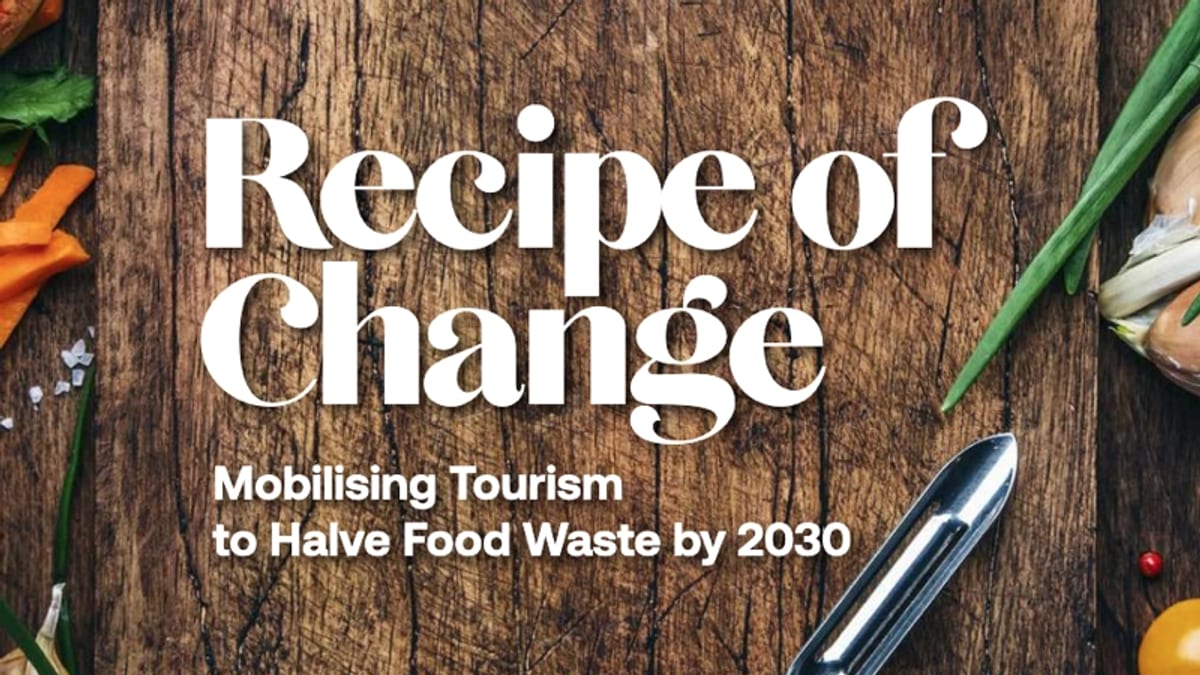
Image by Telegraph - Travel
A New Global Push to Cut Food Waste in Tourism
The launch of Recipe of Change for tourism brings together UN Tourism’s work on sustainable destinations and UNEP’s experience with food systems to focus on a shared problem: the large volumes of edible food discarded every day across hotels, restaurants and buffets. Publicly available information shows that the initiative is designed to align with Sustainable Development Goal target 12.3, which calls for halving global food waste by 2030, while also supporting climate and resource-efficiency agendas.
Tourism is a major consumer of food, from large resort buffets to cruise ships and conference centers. UNEP’s Food Waste Index findings indicate that consumer-facing services generate food waste at similar levels in high and middle income economies, highlighting that hospitality operations in both established and emerging destinations face comparable challenges. By formally connecting Recipe of Change with UN Tourism’s broader work on sustainable tourism, the new partnership aims to accelerate the uptake of practical waste-reduction measures across a sector that welcomed billions of international and domestic trips before the pandemic and is now rebounding strongly.
Reports on recent UN discussions on sustainable tourism note that food waste reduction is increasingly seen as a core component of climate strategies for the visitor economy. The new collaboration positions Recipe of Change as a concrete instrument for tourism businesses that want to respond to this expectation, moving beyond voluntary messaging to structured measurement and behavior change.
From West Asia Pilots to a Tourism-Wide Blueprint
Recipe of Change was first developed by UNEP’s Regional Office for West Asia with support from the GO4SDGs platform, focusing on raising awareness of food waste during periods when consumption typically spikes, such as Ramadan and major holidays. In that regional context, the campaign worked closely with chefs, hotels and influencers to experiment with menu design, portioning and guest communication, as well as with local partners in cities like Dubai and Riyadh to engage domestic tourists and residents around buffets and seasonal dining.
Evidence from those early pilots, including the Green Ramadan and Green Breakfast initiatives with international hotel groups, points to significant reductions in both pre consumer and post consumer food waste when staff training, guest nudges and data tracking are combined. In some Hilton properties in West Asia, publicly available case studies describe food waste cuts of more than 60 percent during campaign periods, achieved while maintaining guest satisfaction and choice. These results helped build the case for scaling Recipe of Change beyond a single region.
Recent UNEP material on regional food waste work indicates that the initiative is now in a scale up phase, with plans to extend its methodology to Central Asia and other regions, particularly through the hospitality and tourism sectors. The collaboration with UN Tourism formalizes that shift, positioning Recipe of Change as a reference toolkit that can be adapted for different destination types, from coastal resorts to mountain lodges and urban conference hotels.
How Recipe of Change Works Inside Hotels and Resorts
At the operational level, Recipe of Change combines technical guidance with behavioral insights. Hotels and resorts that participate are encouraged to begin with a structured assessment of where, when and why food is wasted in their kitchens and dining areas. This can include measurement at preparation, buffet, plate and back of house stages, supported in some pilots by digital tools and artificial intelligence systems that track what is thrown away and in what quantities.
Once a baseline is set, the initiative promotes a set of interventions that can be tailored to each property. These range from revising buffet layouts to discourage overloading plates, to offering more live cooking and made to order stations that better align supply with real demand. Menu engineering is another component, using data to adapt portion sizes, diversify dishes that repurpose surplus ingredients safely, and adjust procurement practices so purchasing reflects actual consumption patterns rather than assumptions.
Guest facing communication is presented as equally important. Campaign materials tested in West Asia and featured in UNEP reports highlight clear, positive messages in dining rooms that invite visitors to take what they can eat and return for seconds, rather than emphasizing guilt or restriction. Some hotels have complemented this with themed nights around local, low waste cuisine, or with chef led demonstrations on how to use ingredients fully, helping turn reduction efforts into a story that adds value to the guest experience.
Back of house, Recipe of Change encourages separation and monitoring of organic waste, along with partnerships where feasible for donation, composting or conversion into animal feed, in line with local regulations. By viewing waste prevention, reuse and recycling as a hierarchy, the program aims to ensure that edible food is prioritized for people before it becomes a resource for other uses.
Linking Food Waste Cuts to Climate and Destination Strategy
Publicly available guidance from UN Tourism on food waste frames the issue as both an environmental and an economic challenge. Discarded food embodies the emissions, water and land used in its production and transport, while also representing a direct cost for hotels that purchase ingredients they never serve or that guests never consume. By activating Recipe of Change across tourism businesses, the two agencies are emphasizing that reducing waste is one of the most cost effective climate actions available to the sector.
UNEP’s regional food waste work underlines that in areas heavily reliant on food imports, such as parts of West Asia and small island destinations, cutting waste also helps ease pressure on food security and supply chains. For tourism dependent economies that import much of what their visitors eat, preventing waste can contribute to national resilience strategies, particularly as climate change makes agricultural production more volatile.
The initiative is also intended to support broader shifts toward circularity in tourism. The Global Roadmap for Food Waste Reduction in the Tourism Sector, developed under UN Tourism with technical input from UNEP, sets out an action framework for destinations and enterprises to integrate food waste metrics into certifications, destination management plans and corporate sustainability strategies. Recipe of Change is being positioned as a practical implementation tool that can help hotels and other tourism operators act on that roadmap through concrete steps in kitchens and dining rooms.
For destinations, the visibility of hotel buffets and iconic restaurants offers an opportunity to showcase responsible practices to visitors who may then replicate similar habits at home. By embedding Recipe of Change principles into well known tourism experiences, the partnership aims to create a multiplier effect that extends beyond any single property or country.
Next Steps for Tourism Stakeholders
According to published coverage of UNEP’s recent webinars on food waste and tourism, the next phase of Recipe of Change will focus on expanding participation beyond early adopters and encouraging cross regional learning. Hospitality groups that have piloted the approach in West Asia are expected to share operational lessons with peers in Central Asia and other regions, while national tourism administrations are being invited to integrate food waste criteria into voluntary certification and promotion schemes.
Industry associations and destination management organizations are also being encouraged to use existing training channels to disseminate core concepts from the Recipe of Change toolkit, from basic measurement techniques to guest communication templates. By embedding these elements in regular professional development, the program seeks to normalize food waste reduction as part of standard operating practice rather than a temporary campaign.
For individual properties, publicly available guidance suggests that early engagement can start with low cost actions such as simple plate waste audits, signage and staff briefings, before moving toward more advanced investments in digital tracking or kitchen redesign. The partnership between UN Tourism and UNEP signals that such efforts are likely to become an increasingly visible component of how sustainable tourism is defined and recognized in the coming years.
As international arrivals continue to recover and new markets open, Recipe of Change positions the tourism industry not only as a beneficiary of global food systems, but as an active participant in reshaping them. The success of this initiative will be measured not only in tonnes of food saved, but in how effectively hotels, restaurants and destinations can turn waste prevention into a core part of the visitor experience worldwide.