

More news on this day
UN Tourism and the UN Environment Programme are joining forces to roll out the Recipe of Change campaign across the tourism sector, using data, toolkits and chef-led initiatives to tackle the mounting problem of food waste in hotels, restaurants and destinations worldwide.
Get the latest news straight to your inbox!
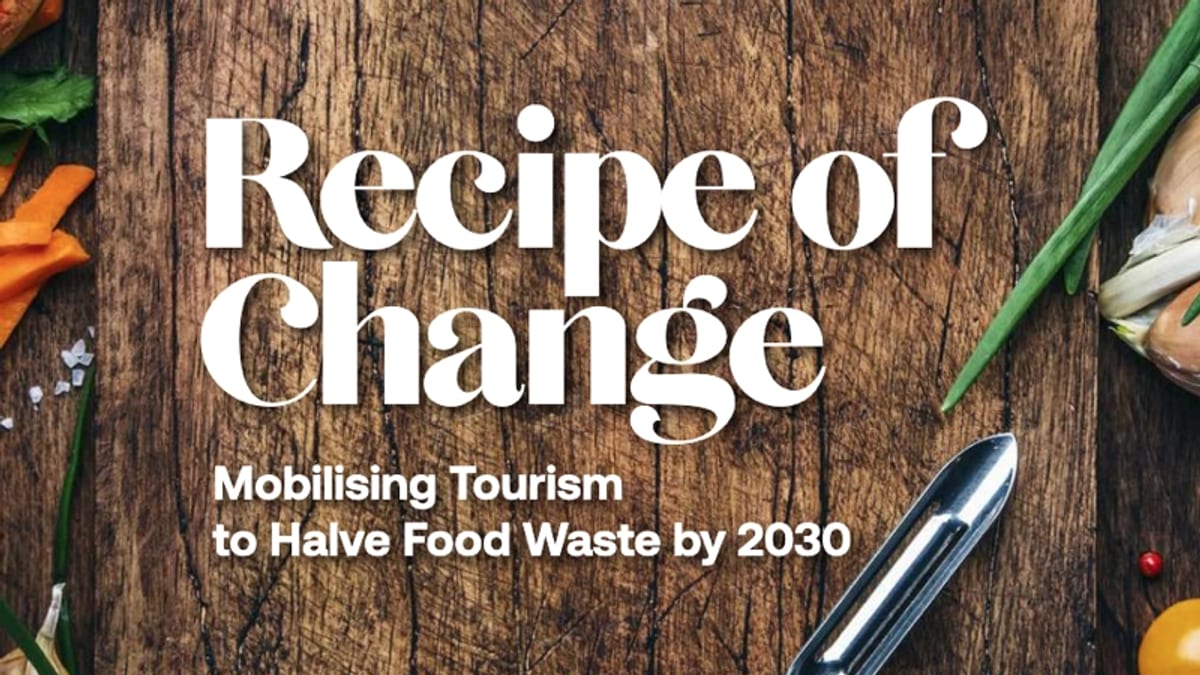
Image by Travel Industry Wire
A Global Push to Confront Food Waste in Tourism
The partnership brings together UN Tourism’s reach across destinations and UNEP’s Recipe of Change campaign, which was first developed in West Asia and later scaled up globally to support efforts under Sustainable Development Goal 12.3 on halving food waste by 2030. Publicly available information describes Recipe of Change as a long-term behaviour change effort that connects food waste data, hospitality operations and consumer awareness in a single framework.
In tourism, the new collaboration is positioned as a way to turn food waste from a hidden operational cost into a visible sustainability priority. Hotels and resorts frequently operate large buffets and banquet services, while destinations promote food-centred experiences that can unintentionally generate surplus. The joint initiative seeks to show that reducing food waste can cut emissions, improve resource efficiency and enhance the credibility of tourism sustainability claims.
Reports indicate that Recipe of Change has been activated during periods of high food consumption, such as Ramadan and national holidays, and is now being adapted to peak tourism seasons. This seasonal focus is seen as critical in destinations where visitor numbers surge, supply chains are stretched and the risk of overproduction in hotel kitchens increases.
From Regional Pilot to Tourism-Focused Scale-Up
The Recipe of Change campaign was originally created by UNEP’s Regional Office for West Asia with support from the Global Opportunities for Sustainable Development Goals initiative, targeting food waste in households and the hospitality sector. Over time it has evolved into a broader programme, including social media challenges, chef-led demonstrations and partnerships with hotel groups, that showcase practical ways to use leftovers and redesign menus to minimise waste.
UN Tourism’s involvement signals a new phase that explicitly links the campaign to sustainable tourism policies and certifications. According to recent UNEP materials, Recipe of Change is now being introduced to hospitality stakeholders in Central Asia and other regions as a model that can support unified eco-certification standards and destination-wide strategies on food waste reduction. For tourism authorities, this offers a ready-made platform that can be integrated into existing green hotel labels and climate action plans.
By embedding the campaign into tourism frameworks, the two agencies aim to move beyond isolated pilots in individual properties. Tourist boards, hotel associations and municipal authorities are being encouraged to use Recipe of Change tools to coordinate messaging, collect comparable data and align incentives across entire destinations, from upscale resorts to small guesthouses and local eateries.
Toolkits, Data and Behaviour Change in Hotels
Central to the expanded initiative is a practical toolkit that translates Recipe of Change into day-to-day operations for hospitality businesses. The materials set out simple steps such as measuring plate waste, analysing procurement patterns and using behavioural nudges in buffet design, from smaller plates and reconfigured serving lines to clearer signage that encourages guests to return for seconds rather than overload plates.
Campaign documentation highlights partnerships with major hotel brands during Ramadan as early proof of concept. Collaborations with properties across the Middle East and beyond have reported double-digit cuts in food waste using a combination of staff training, menu engineering, digital tracking systems and targeted communication with guests. These experiences are feeding into the tourism rollout, giving hotels in other regions concrete examples of what works in high-volume, buffet-intensive environments.
For food and beverage teams, the approach reframes waste reduction as an efficiency measure rather than an additional burden. Case studies referenced in public reporting point to lower purchasing costs, tighter inventory management and improved staff engagement when kitchen and service teams are directly involved in tracking and reducing waste. UN Tourism and UNEP are promoting these operational benefits as a way to secure buy-in from management and owners.
Chefs, Campaigns and Tourist-Facing Messaging
The Recipe of Change campaign has relied heavily on the influence of chefs and food personalities to bring its messages to a wider audience. UNEP’s advocate on food waste in West Asia, Chef Leyla Fathallah, has featured in video series and social media content that share zero-waste recipes and practical tips for using leftovers, with a particular focus on popular regional dishes and festive meals.
In a tourism context, this chef-led model is being extended to hotel executive chefs and destination culinary ambassadors who can demonstrate how local cuisine and sustainability goals align. Publicly available campaign material shows how themed events, cooking classes and televised segments have been used to normalise practices such as repurposing surplus ingredients, offering smaller tasting portions and highlighting dishes that make use of commonly discarded items like bread or vegetable trimmings.
For travelers, the initiative is framed as an invitation to participate rather than a restriction. Messaging used in previous Recipe of Change challenges encourages guests to create their own “recipe of change” by sharing dishes made from ingredients that might otherwise have been thrown away, tagging campaign accounts and nominating friends. As this concept migrates into tourism, hotels and destinations are experimenting with guest challenges, recipe cards in rooms and digital content that links food waste choices to climate and food security impacts.
What It Means for Destinations and the Future of Travel
The integration of Recipe of Change into tourism initiatives comes as destinations face growing scrutiny over the environmental footprint of travel. Food waste contributes to methane emissions when sent to landfill and represents a loss of the water, energy and labour invested in production and transport. By targeting food waste in tourism, UN Tourism and UNEP are addressing a visible component of tourism’s climate impact that can be measured and reduced in the short term.
Destination managers are being encouraged to view food waste not only as a hotel issue but as a shared concern that spans supply chains, local markets and community organisations. Public information on the campaign describes how partnerships with municipalities, non-governmental organisations and food banks can help ensure that surplus food is safely redistributed where possible, while unavoidable waste is composted or processed through circular solutions.
As Recipe of Change is mainstreamed into tourism, observers note that success will depend on consistent measurement and transparent reporting. The campaign’s emphasis on data, pilot results and replicable tools is intended to help destinations demonstrate progress and share lessons with peers. For travelers increasingly seeking authentic and responsible experiences, visible efforts to tackle food waste may become part of how they assess where to stay and which destinations to support.