

More news on this day
Travelers across the United States faced another bruising day of disruption as United Airlines scrapped hundreds of flights and racked up nearly 2,000 delays, leaving thousands of passengers stranded at airports and scrambling to rebook during an already strained spring travel period.
Get the latest news straight to your inbox!
Nationwide Disruption Hits Major United Hubs
Publicly available flight-tracking data and industry reports show that the latest wave of disruption has been concentrated at United Airlines’ largest hubs, where dense schedules and tight connection banks leave little room for error. Airports such as Chicago O’Hare, Newark Liberty, Denver, Houston Bush Intercontinental and San Francisco have all reported clusters of United cancellations combined with heavy delays, with rolling knock-on effects reaching smaller spoke airports across the network.
At peak points in the day, snapshots from flight-tracking services indicated that United had canceled several hundred departures and arrivals across the United States while registering close to 2,000 additional delays. The figures placed the carrier among the hardest hit in a national picture that has already been unsettled in recent weeks by intense storm systems, air traffic management restrictions and lingering staffing challenges in some parts of the aviation system.
Travel coverage focused on Chicago and the broader Midwest describes how thunderstorms and ground delay programs have repeatedly triggered bottlenecks at O’Hare, a major United hub that funnels connecting traffic between the East and West Coasts. When flights there are forced into holding patterns or ground stops, aircraft and crews struggle to stay in position for later segments, creating a cascade that can quickly reach airports as far away as Florida, Texas and the Pacific Northwest.
Similar strains have appeared around the New York and mid-Atlantic region, where earlier federal traffic-flow limits into airports such as Newark and Washington have compounded congestion. With United operating some of the densest schedules at those airports, even modest reductions in arrival rates can translate into queues of delayed departures and, in more severe cases, preemptive cancellations as the airline attempts to reset the operation.
Weather, Congested Airspace and Operational Strain
The latest United disruption is unfolding against a backdrop of volatile early spring weather that has driven widespread flight problems across multiple carriers. Recent storm systems bringing strong winds, thunderstorms and turbulence risks have prompted traffic management initiatives into major hubs, including the New York City airports, Washington, Atlanta, Charlotte, Houston and Chicago, according to recent aviation and general news coverage. Those measures slow the rate at which aircraft can land and depart, leading to long backlogs.
Reports summarizing national impacts in mid-March described more than 12,500 flights delayed or canceled across all U.S. airlines over several days during a particularly severe spell of weather, with United among the carriers reporting a high share of affected operations. As those disruptions roll through the system, aircraft and crews can be left out of place for subsequent days, making it more difficult for any single airline to recover quickly when another round of storms arrives.
Aviation analysts note in recent commentary that structural factors within the industry are magnifying the impact of what might once have been manageable weather days. Airlines tightened schedules and increased aircraft utilization as demand rebounded, leaving fewer spare jets and reserve crews available to step in when storms, ground stops or technical problems occur. At the same time, air traffic control staffing in some regions remains under pressure, occasionally forcing regulators to cap the number of movements at key airports, which can disproportionately affect carriers like United that rely heavily on hub-and-spoke connectivity.
United has previously acknowledged the strain that a combination of traffic control outages, congested airspace and adverse weather can put on its Newark and Chicago hubs, citing situations in which equipment failures or staffing gaps have triggered hundreds of delays and scores of cancellations in a single week. Current disruption patterns appear consistent with those dynamics, as weather-linked constraints intersect with an already busy spring schedule.
Stranded Passengers Face Long Lines and Limited Options
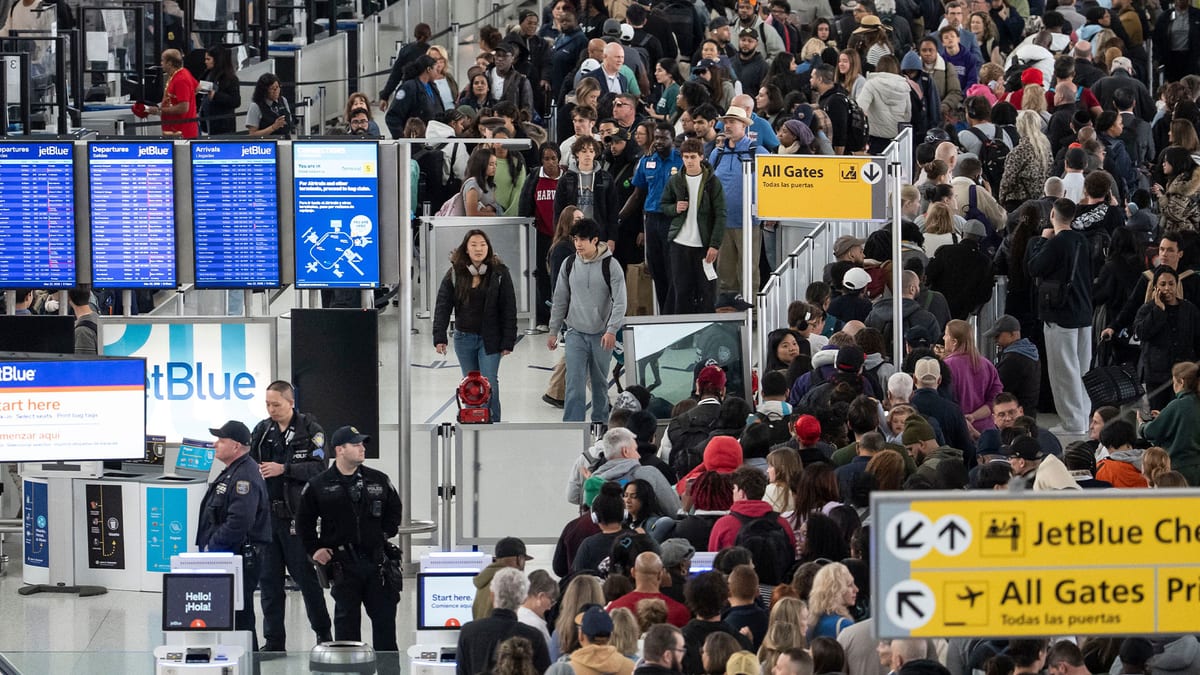
The operational turmoil has translated into long waits and difficult choices for passengers. Coverage from travel media and consumer platforms describes departure boards at major United stations filling with rolling delay estimates and abrupt cancellations, while long queues have formed at customer service counters and rebooking desks. With many flights fully booked during peak travel days, same-day alternatives can be scarce, especially on longer domestic routes and international connections.
Travelers on complex itineraries often feel the impact most acutely. Missed connections at hubs such as Chicago O’Hare, Houston or Denver can leave passengers bound for smaller regional airports with no remaining flights for the day, requiring overnight hotel stays or multi-stop reroutes that extend journeys by many hours. In extreme cases, some travelers are electing to abandon trips entirely rather than wait for distant rebooking options, particularly for short business trips or weekend leisure travel.
Airline schedule disruptions also have a compounding human effect. Families may find themselves separated when only a portion of a group can be rebooked on an earlier departure, while travelers relying on tight connections to cruises, tours or important events risk missing departures with significant financial consequences. Social media posts and on-the-ground coverage frequently highlight scenes of crowded gate areas, exhausted passengers stretched across terminal floors and luggage piling up as bags continue on flights without their delayed owners.
Experts who study airline reliability emphasize that, for passengers, the distinction between cancellations and long delays can feel academic when disruption drags on for many hours. A late-night cancellation after a day of creeping delays often leaves fewer lodging options near airports and higher rideshare or taxi prices as many travelers compete for the same limited rooms and ground transportation.
What Passengers Can Expect in Terms of Rights and Relief
Publicly available guidance from the U.S. Department of Transportation and consumer advocacy organizations outlines a patchwork of protections for passengers caught up in mass disruptions like the latest United wave. Federal rules specify that when an airline cancels a flight and is unable to provide the transportation purchased, passengers are typically entitled to a refund if they choose not to travel, even on nonrefundable tickets.
Travelers dealing with extensive delays face a more complicated landscape. There is no comprehensive federal requirement for U.S. airlines to provide compensation for delayed flights, and offerings such as meal vouchers, hotel accommodations or frequent flyer mileage credits vary by carrier and by the cause of the disruption. Public information compiled by regulators shows that airlines are generally more likely to provide tangible assistance when a delay is considered within the carrier’s control, such as crew or mechanical issues, than when weather or air traffic restrictions are the main drivers.
Consumer advocates advise that passengers monitor both airline communications and federal resources that summarize each carrier’s commitments in disruption scenarios. United, like its peers, publishes customer service plans that detail when it will pay for overnight hotels, arrange ground transportation or rebook travelers at no additional charge on later flights. However, these commitments can change over time, and in practice gate agents and call center staff may be constrained by availability of seats and rooms during large-scale events.
Industry analysts also point out that travel insurance, where purchased, may provide an additional layer of protection in some cases, depending on policy wording and whether the underlying cause is covered. However, policies often exclude weather-related delays from compensation, placing the focus instead on trip interruption, missed connections or baggage issues. As the latest United disruption ripples through the system, many consumers are being reminded of the importance of reading the fine print long before departure day.
Ongoing Vulnerability in the U.S. Air Travel System
The scale of United’s latest cancellations and delays underscores the broader fragility of the U.S. air travel system heading into another busy season. Congressional hearings, federal reports and watchdog analyses over the past year have repeatedly documented how staffing shortfalls, aging air traffic control infrastructure and lean airline scheduling practices have combined to create a network that is highly efficient when everything goes right but prone to cascading failure when major shocks occur.
Recent disruptions at other major carriers, including operational meltdowns linked to winter storms and technology outages, highlight that United is not alone in facing these pressures. Each new wave of cancellations and delays intensifies calls from consumer groups and some policymakers for stronger baseline standards around passenger care, clearer disclosure of airline commitments and increased investment in both ground and air traffic systems.
For now, travel experts suggest that passengers treat the current period as one of elevated risk for disruption, particularly when connecting through busy hubs or traveling on peak days. Recommendations circulating in public guidance include building longer connection times into itineraries, taking earlier departures where possible and closely monitoring forecasts for storm systems targeting major hub regions.
With United still working through hundreds of cancellations and nearly 2,000 delays in its latest operational setback, travelers booked in the coming days may continue to feel residual effects. Even as airlines and regulators explore long-term fixes, the immediate reality for many passengers remains the same: crowded terminals, uncertain departure times and a reminder of how quickly a single day of trouble in the nation’s skies can ripple across the entire map.