

More news on this day
Thousands of United Airlines passengers across the United States are facing widespread disruption as the carrier navigates hundreds of flight cancellations and nearly 2,000 delays linked to severe weather and mounting operational strains at key hubs.
Get the latest news straight to your inbox!
Widespread Disruptions Across Major United Hubs
Publicly available flight-tracking data for the past several days shows United Airlines near the top of the disruption tables, with hundreds of cancellations and close to 2,000 delays affecting travelers across the domestic network. The impact has been most visible at major United hubs including Chicago O’Hare, Houston George Bush Intercontinental, Denver, San Francisco and key East Coast gateways.
Recent tallies compiled from FlightAware data and summarized by multiple travel outlets indicate that United has recorded several hundred cancellations in a short span, while its delayed departures and arrivals have climbed into the high hundreds and low thousands on some of the most challenging travel days of late March and early April. Reports describe tens of thousands of passengers caught in rolling queues for rebooking, hotel assistance and baggage retrieval as schedules continue to shift.
United is one of several large US carriers wrestling with volatile spring conditions, but its exposure at weather-prone hubs such as Chicago, Denver and the New York area has amplified the effect. When storms pass through these nodes, the knock-on impact can ripple across the country within hours, sweeping in smaller spoke airports that rely on tightly timed connections.
Although operations typically improve once weather systems move on, the combination of crew duty limits, aircraft repositioning needs and already crowded schedules has kept United’s recovery slow on some routes, leaving passengers stranded overnight or rerouted through unfamiliar hubs.
Storm Systems and a Fragile Spring Aviation Network
The spike in cancellations and delays at United comes as the broader US aviation grid struggles through a turbulent spring. Powerful storm systems, including blizzards in the Upper Midwest and severe thunderstorms along the East Coast and South, have triggered repeated ground stops and traffic-management programs at some of the country’s busiest airports.
Coverage of recent storms highlights how quickly national numbers can escalate, with more than 10,000 flights across all airlines on certain days either delayed or canceled as snow, high winds, hail and low visibility converged over multiple corridors. In this environment, United’s concentrated presence at hubs like Chicago O’Hare and Newark has made the airline particularly vulnerable when conditions deteriorate.
Weather-related restrictions often require slower arrival and departure rates, forcing airlines to trim schedules and push back departure times. Once those measures are in place, United and its competitors must decide which flights to prioritize, frequently preserving long-haul and high-demand routes while canceling shorter regional services. That strategy helps protect the broader network but can leave passengers on feeder routes facing the brunt of the disruption.
Even after skies clear, melting snow, lightning inspections, and the need to de-ice or re-stage aircraft can continue to snarl operations for hours. With many spring storms hitting on successive days, the room for airlines like United to fully reset their schedules has been limited.
Passengers Face Long Queues, Missed Connections and Overnight Stays
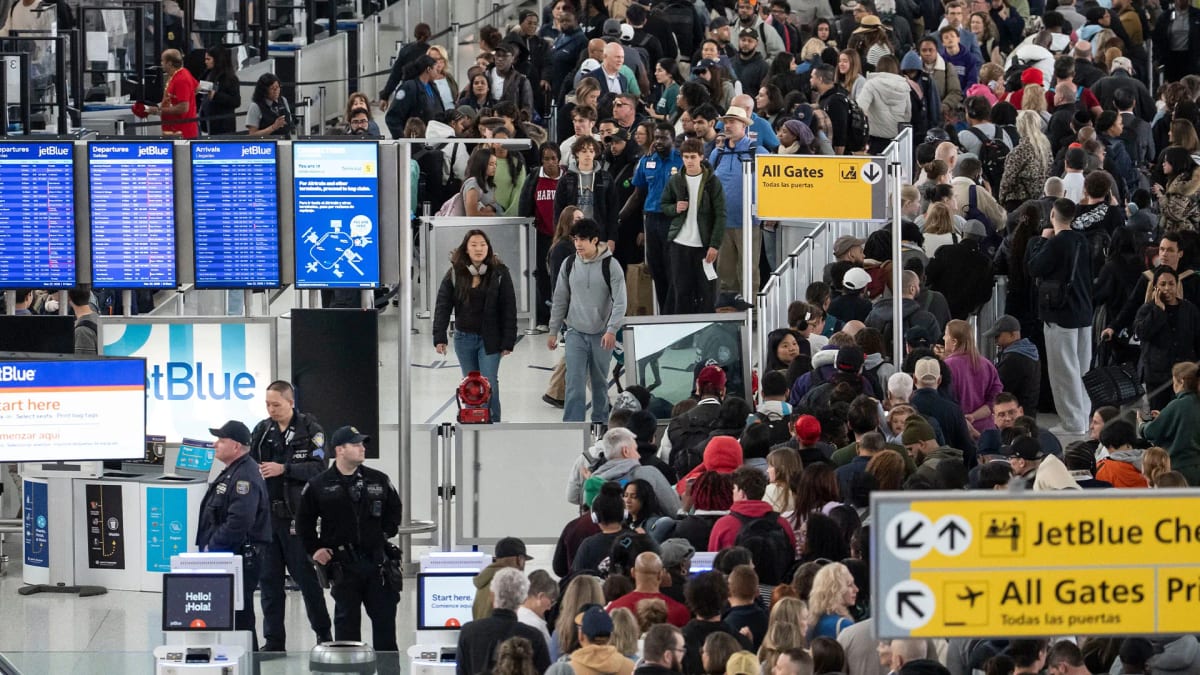
For travelers, the statistics translate into long, uncertain waits at gate areas and customer-service counters. News and travel reports from Chicago, Houston, San Francisco and other hubs describe lines stretching across terminals as United customers seek new itineraries, meal vouchers and hotel rooms after last-minute cancellations.
Many of the most severe headaches have involved missed connections. United’s hub-and-spoke model channels large volumes of passengers through a handful of megahubs, which means one canceled or heavily delayed inbound flight can cascade into dozens of missed onward departures. Families heading to holidays, business travelers bound for meetings and long-haul passengers returning from overseas have all faced unplanned overnight stays and extensive rerouting.
Travel advisories published by consumer advocates and aviation-focused outlets in recent days emphasize the importance of proactive planning for anyone booked on United during this turbulent period. Recommendations include traveling with extra medications and essentials in carry-on baggage, monitoring flight status repeatedly on the day of travel, and being prepared to request rerouting through alternative hubs when primary gateways such as Chicago or Newark are heavily constrained.
Reports also note that passenger experiences vary widely depending on the timing and cause of a disruption. When weather is the primary factor, federal rules and airline policies generally provide fewer obligations for compensation, leaving many travelers to rely on goodwill gestures, personal travel insurance or credit-card protections.
Operational Pressures, Staffing and Network Complexity
Beyond the weather, analysts point to underlying structural pressures that have made it harder for United and other major carriers to absorb shocks. Industry commentary highlights tight staffing levels in some workgroups, ongoing training and hiring backlogs in the wake of the pandemic, and constraints within the air traffic control system as forces that can quickly magnify the effect of any disturbance.
United’s reliance on regional partners for a significant share of its domestic feed also introduces additional points of vulnerability. Smaller regional jets and contract-operated flights are often the first to be cut when hubs become congested, protecting mainline operations but stranding travelers in secondary markets. Delays in repositioning these aircraft and crews then echo through subsequent days, sometimes long after the original storm or technical issue has been resolved.
At the same time, the carrier has been operating near or at full capacity on many routes, leaving limited slack to rebook disrupted passengers quickly. Flights that do depart often go out full, reducing the number of spare seats available for those whose earlier services were canceled.
Industry observers note that while United has invested heavily in technology, fleet renewal and hub facilities, the current wave of disruptions underscores how finely balanced large airline networks have become. Even modest disturbances can tip operations into gridlock when there is little buffer left in the system.
What Travelers Can Do If Their United Flight Is Affected
Travel experts suggest that United passengers flying in the coming days treat schedules as subject to change, particularly when routing through weather-sensitive hubs or during known storm windows. Monitoring the airline’s app and airport information displays, signing up for text or email alerts, and checking departure boards for patterns of delays can provide early warning signs of wider disruption.
Passengers who see rolling delays or clusters of cancellations on their route are often advised to contact the airline digitally rather than waiting in physical queues, using apps or call centers to seek alternative routings. Some consumer advocates recommend researching backup options on other carriers in advance, especially for time-sensitive trips where missing an event or connection would be costly.
For those already stranded in a hub, documenting expenses, keeping boarding passes and receipts, and reviewing the terms of travel insurance or credit-card protection can be important steps. While weather disruptions typically limit mandatory reimbursement, some policies may still cover hotels, meals or replacement transport in defined circumstances.
With severe weather season still unfolding and aviation infrastructure under sustained strain, publicly available data suggests that United Airlines passengers may continue to face intermittent waves of cancellations and delays. Travelers planning to fly with the carrier in the near term are being urged by multiple travel-watch sources to build flexibility into their itineraries and to prepare for the possibility of extended waits at the nation’s busiest airports.