

More news on this day
United Airlines passengers across the United States are facing mounting disruption as a succession of storms, staffing pressures and tightly packed spring schedules combine to trigger hundreds of delays and dozens of cancellations at the carrier’s busiest hubs.
Get the latest news straight to your inbox!
Spring Weather and System Strain Collide
Recent operational data from tracking services and aviation industry coverage indicate that United Airlines has been one of the most affected major carriers during the latest bout of U.S. air travel turmoil. On April 1, reports show United accounting for more than 500 delayed flights and a few dozen cancellations nationwide, putting it at or near the top of the disruption tables among domestic airlines.
The latest chaos builds on a difficult stretch that began in mid-March, when powerful winter and spring storm systems swept across large parts of the country. A major March blizzard and associated severe weather led to tens of thousands of flight delays and cancellations nationwide, with United hubs in Chicago and Denver repeatedly caught in the path of snow, high winds and thunderstorms. Those conditions repeatedly forced ground stops, rerouting and reduced arrival rates that quickly rippled through already busy schedules.
Published coverage of March and early April operations describes a pattern in which weather-related constraints collide with a tightly wound airline system. With aircraft and crews scheduled close to maximum daily utilization, even relatively short ground holds can strand airplanes out of position and push later departures hours behind. Once disruption sets in at a hub, knock-on delays cascade across the network as missed connections and crew duty-time limits trigger further cancellations.
United’s challenges are unfolding against a backdrop of broader strain on the U.S. aviation grid. Severe thunderstorms and flash flooding at the end of March produced more than 3,000 delays and over 100 cancellations across all carriers in a single day, according to one nationwide analysis, underscoring how quickly the system can tip into widespread gridlock when weather and capacity are out of balance.
Chicago and Houston Hubs Bear the Brunt
The brunt of United’s current turmoil is concentrated at its largest hubs, particularly Chicago O’Hare International Airport and George Bush Intercontinental Airport in Houston. Airport-level tallies compiled from airline schedules and delay trackers show hundreds of late departures and arrivals tied to United-branded operations at these gateways over the past several days.
In Chicago, a series of storm systems in late March and early April has repeatedly reduced runway capacity and forced traffic management initiatives. One recent breakdown of O’Hare activity recorded more than 1,300 total delays and nearly 150 cancellations across airlines in a single day, with United among the most affected carriers by sheer volume. As United relies heavily on Chicago to funnel connecting passengers between the East Coast, Midwest and West, disruptions there quickly propagate to smaller cities across the country.
Houston has experienced its own share of disruption, with publicly available statistics for April 1 indicating more than 100 delays and several cancellations at George Bush Intercontinental. Reports highlight that United, which maintains a major hub at the airport, shouldered a large portion of those interruptions. Thunderstorms and low ceilings along the Gulf Coast, combined with high early-spring demand on key domestic and Latin American routes, have left limited slack in the system when operations slow.
Other United focus cities have seen similar though less severe challenges. San Francisco and Denver have each reported spikes in delays and a smaller number of cancellations on selected days in March, reflecting the extent to which weather and congestion at one or two hubs can reverberate across an entire network during peak travel periods.
Traveler Impact: Missed Connections and Overnight Stays
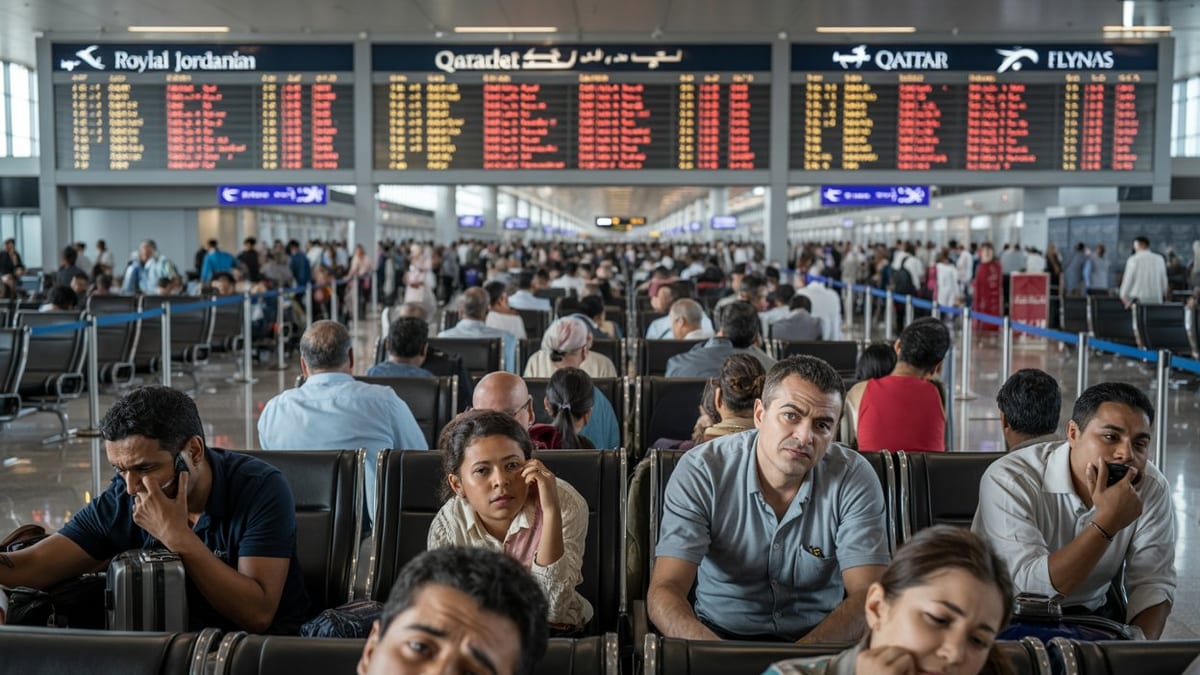
For travelers, the operational statistics translate into long lines, missed connections and unexpected overnight stays. Published accounts from affected airports describe passengers sleeping in terminals after late-night cancellations and scrambling to rebook when morning flights fill quickly. Because United relies heavily on connecting traffic through its hubs, disruption at a single airport can strand passengers who began their journeys hundreds or thousands of miles away.
Delay tallies suggest that many flights are leaving more than an hour behind schedule, which is enough to break typical domestic connection windows. When storms and ground holds accumulate over the course of a day, late-arriving aircraft can cause a rolling wave of missed connections during the evening peak. In some cases, passengers are rebooked on itineraries delayed by a full day or more, particularly on long-haul or heavily booked routes.
Compensation and care vary by itinerary and ticket type, but publicly available information on airline policies indicates that travelers affected by weather-related disruption generally have fewer options for vouchers or hotel coverage than those impacted by mechanical issues. Many passengers have instead turned to their credit card benefits or independent travel insurance policies to recoup costs for meals and lodging during unplanned layovers.
In addition to the financial impact, the latest United disruptions are eroding confidence among some travelers who rely on the airline for business and family travel. Social media posts and online forums show a rising volume of complaints about communication gaps, long call-center waits and difficulty securing seats on alternative flights once a cancellation has been announced.
Waivers, Rebooking Options and Limited Flexibility
To manage the fallout, United has issued a series of travel waivers covering specific dates and regions hit by storms and congestion. Publicly available waiver notices reference East Coast thunderstorms, Houston disruptions and repeated severe weather around Chicago in March and early April. These waivers typically allow affected passengers to change flights within a limited window without paying change fees, provided they keep the same origin, destination and fare class.
While such waivers can help some travelers move trips away from the peak of a storm or rebook when a connection is no longer viable, their usefulness is constrained by seat availability. Reports from recent disruption periods suggest that alternative flights on popular routes often sell out quickly, particularly in the days immediately following a major weather event. That can leave passengers theoretically covered by a waiver but practically stuck with only undesirable routings or long delays.
Industry analyses of recent U.S. flight performance data emphasize how little spare capacity remains in the system during busy travel days. Airlines have restored and, in some cases, increased schedules compared with earlier years, but infrastructure and staffing at airports, air traffic control facilities and ground handling providers have not always kept pace. For United, which tries to maximize connectivity at hub banks throughout the day, this leaves little margin to absorb disruption without large-scale knock-on effects.
Consumer advocates note that the lack of uniform federal rules around compensation for delays and cancellations, particularly those attributed to weather or air traffic control constraints, means travelers often shoulder much of the risk. Calls for clearer standards and more robust passenger rights typically intensify after periods of severe disruption such as the current United-led chaos.
What Travelers Can Do Ahead of Peak Summer
The latest turbulence in United’s operations is prompting many travelers to rethink how they plan and manage trips as the industry moves toward the busy summer season. Travel experts and published guides point to a handful of strategies that have proved useful during the March and April disruption wave, starting with choosing earlier flights in the day when possible. Morning departures are less exposed to the cumulative effect of rolling delays that build by afternoon and evening.
Another recurring recommendation is to allow more generous connection times, especially when itineraries route through weather-prone hubs like Chicago, Denver or Houston. Connections of 90 minutes or more can offer a buffer when arrival banks slip behind schedule, reducing the likelihood of missed onward flights. Where practical, some travelers are also opting for nonstop routes, even at a modest fare premium, to avoid the vulnerability of multi-leg journeys.
Monitoring flight status closely in the 24 hours before departure has also become essential. Airline apps and third-party trackers typically update more quickly than airport departure boards, giving passengers an early signal when inbound aircraft are running late or when ground stops are in effect. During the most recent storms, travelers who adjusted plans early, including by switching to earlier flights on the same day, often fared better than those who waited for formal cancellation notices.
As United works through the immediate backlog and prepares for upcoming peak travel periods, the latest wave of cancellations and delays serves as a reminder of how sensitive the U.S. aviation system remains to weather shocks and capacity constraints. For now, passengers face a landscape in which flexibility, extra planning and a willingness to adjust on short notice are becoming essential tools for navigating United’s network and the broader U.S. air travel grid.