

More news on this day
United Airlines is moving to rein in capacity and raise ticket prices as soaring oil and jet fuel costs, driven by the ongoing crisis around the Strait of Hormuz and wider conflict involving Iran, begin to squeeze airline profits and ripple through travelers’ plans for the coming months.
Get the latest news straight to your inbox!
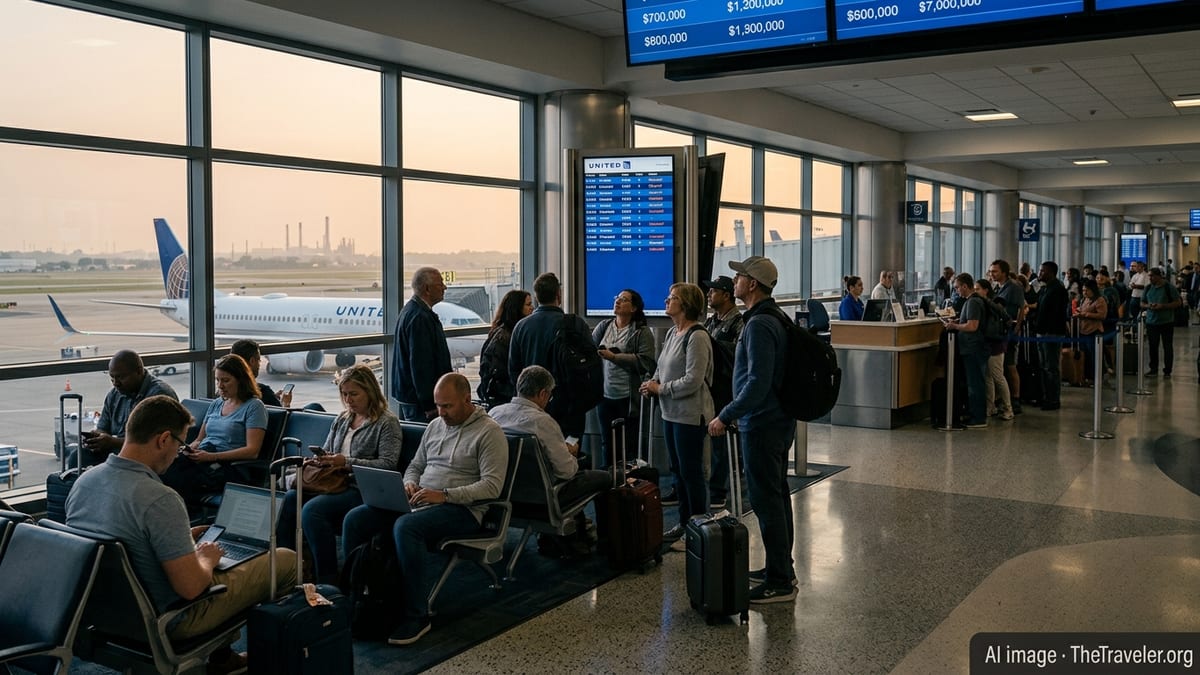
Oil Shock Puts New Pressure on United’s Bottom Line
The latest spike in energy prices follows severe disruption to oil shipments through the Strait of Hormuz that began in late February 2026, sending Brent crude above 100 dollars a barrel for the first time in years and briefly as high as the mid-120s. Publicly available information on the global energy market shows that about one fifth of the world’s seaborne oil typically moves through this chokepoint, so reduced tanker traffic has quickly translated into higher feedstock costs for jet fuel.
Industry analysis indicates that fuel is consistently one of the largest single expenses for major airlines, often accounting for around a quarter to a third of operating costs. United’s own regulatory filings note that fuel represented roughly one third of its operating expenses in recent years and that rapid increases in fuel prices are difficult to offset quickly with higher fares when tickets are sold months in advance. That dynamic is now being tested as fuel prices climb faster than many carriers had anticipated for 2026.
Travel and financial coverage in the United States has also highlighted how the recent jump in oil and refined product prices has weighed on airline stocks, with shares of United and its peers sliding as investors factor in slimmer margins. While strong demand had been supporting record bookings earlier in the year, analysts now expect profit forecasts to be revised if fuel remains elevated into the busy summer season.
United Signals Capacity Cuts and Higher Fares
According to recent reporting on the airline sector and commentary shared with employees and investors, United’s leadership is preparing for a scenario in which oil could climb toward 175 dollars a barrel and remain above 100 dollars through at least the end of 2027. Publicly discussed planning assumptions suggest the carrier is not treating the current spike as a short-lived blip, but as a sustained cost shock that requires structural adjustments.
One of the most immediate levers is capacity. Network updates and scheduling data indicate that United is beginning to trim some frequencies on domestic and international routes, particularly where multiple daily flights offer room to consolidate demand. Aviation analysts note that reducing available seats can help keep load factors high and support higher average fares, but for travelers it often means fewer departure time options, more crowded flights, and reduced flexibility if disruptions occur.
At the same time, publicly available commentary from United executives and coverage in mainstream business outlets point to broad-based fare increases as fuel expenses climb. Observers tracking fare data on popular routes have already reported noticeable jumps in prices over short periods, and consumer travel forums are documenting cases where itineraries rose by more than 100 dollars within a day as new pricing algorithms factored in higher costs. While airlines typically avoid framing these changes as surcharges, the practical effect for travelers is that base fares and premium-cabin pricing are moving higher across many markets.
What Travelers Can Expect on Routes and Pricing
For travelers, the most visible effect of United’s response to rising oil prices is likely to be on both route availability and the price paid for remaining seats. Industry trackers anticipate targeted reductions on marginal routes, thinner schedules at non-hub airports, and potential seasonal adjustments, with some flights dropped outside peak travel windows. Hub-to-hub services and major international gateways are expected to remain relatively robust, but even there, select off-peak departures may be consolidated.
On the pricing side, publicly available fare data and travel-industry commentary suggest that economy tickets that were already trending higher this year are seeing additional increases as carriers recalibrate revenue models to absorb fuel costs. Ancillary revenue streams such as seat selection fees, baggage charges, and fare locks are also under scrutiny as airlines look for ways to boost income without adding significant operating complexity. Travelers shopping for summer and autumn trips may therefore encounter higher all-in trip costs even when headline base fares appear unchanged.
There is also a growing gap between the lowest basic economy products and more flexible standard economy or premium fares. With fuel costs rising, airlines have an added incentive to nudge travelers toward higher-yield fare classes that generate more revenue per seat. For passengers who value changes, refunds, or mileage accrual, this can mean paying a steeper premium over the absolute lowest advertised price compared with previous years.
Strategies for Booking United Flights in a Volatile Market
In this environment, timing and flexibility become more important. Travel experts monitoring fare trends recommend that passengers with fixed travel dates avoid waiting for last-minute deals, as higher fuel bills reduce airlines’ appetite for deep discounting close to departure. Booking earlier can help lock in seats before additional rounds of price adjustments filter through revenue-management systems, particularly on popular routes and peak travel periods such as school holidays.
Flexible travelers may want to take advantage of fare types that allow future flight credits or no-fee changes, which can provide some protection if prices later fall or plans change. Since United, like many major U.S. carriers, offers credits rather than cash refunds on most nonrefundable tickets, passengers should pay close attention to expiration dates and any conditions attached to using credits for future trips.
Travelers concerned about sudden jumps in price while they confirm plans can also consider limited-duration fare holds or similar tools where available, bearing in mind that fees for these services may themselves rise as part of carriers’ broader effort to offset fuel costs. Those who must fly specific dates for work or family events may find that paying a modest fee to secure a fare for several days is cheaper than absorbing a large overnight increase on a popular route.
How Rising Fuel Costs Could Shape the Rest of 2026 Travel
Looking ahead, the trajectory of United’s fares and flight schedule will depend heavily on how long energy markets remain strained by the conflict affecting oil flows from the Middle East. Economic research on past oil shocks suggests that airlines often respond in phases: first by adjusting ticket prices, then by pruning capacity, and finally by reshaping longer-term fleet and route strategies if high fuel costs persist.
Public financial disclosures from United and other U.S. carriers already stress that they have limited ability to hedge against prolonged fuel spikes at current price levels, meaning that sustained volatility is likely to be passed through to travelers in some form. If oil prices retreat later in 2026, competition on key routes could put a ceiling on how high fares remain, particularly where low-cost carriers challenge United in major markets. If prices stay elevated, however, higher average fares and leaner schedules could become the new normal for several seasons.
For now, travelers planning to fly with United in 2026 are entering a period of heightened uncertainty. Monitoring fare trends closely, booking earlier, and building more flexibility into itineraries can help mitigate some of the financial impact. With the broader travel industry watching fuel markets day by day, passengers should be prepared for a shifting landscape of prices and options as airlines, including United, navigate one of the most significant oil shocks in recent years.