

More news on this day
Thousands of United Airlines passengers across the United States faced major disruption as the carrier canceled at least 44 flights and delayed more than 800 on Friday, with rolling impacts reported at major hubs including Chicago, Newark and Los Angeles.
Get the latest news straight to your inbox!
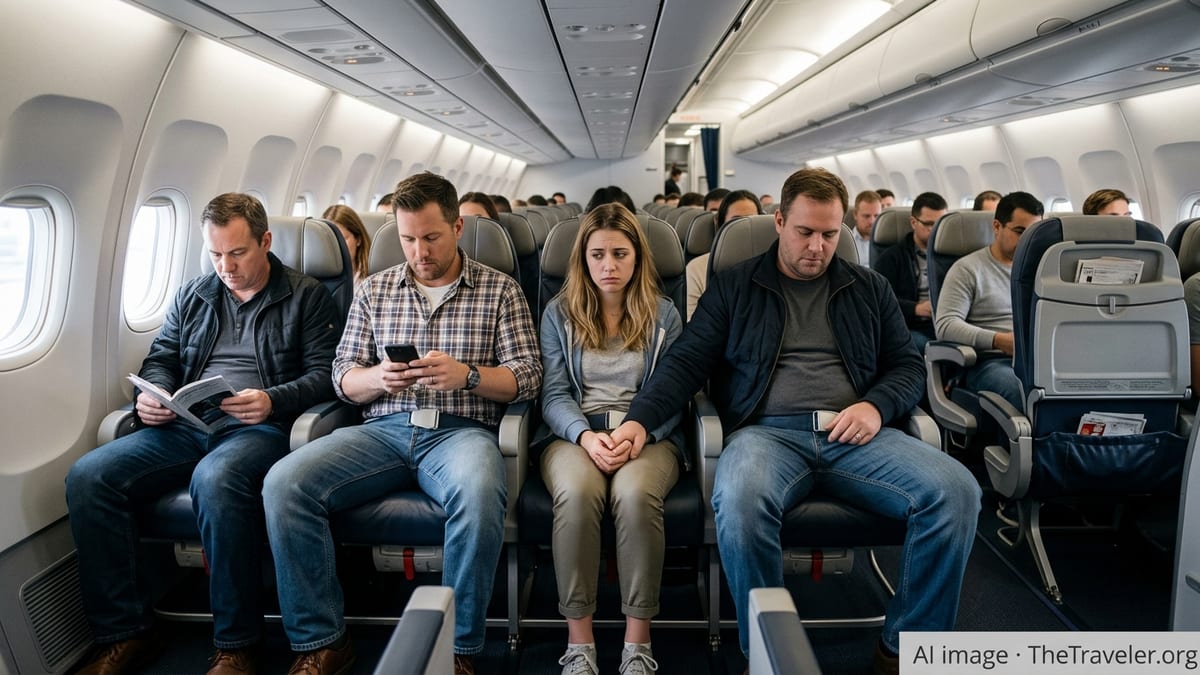
Nationwide Disruptions Hit Key United Hubs
Publicly available flight-tracking data on Friday showed United and its regional partners scrubbing 44 flights and delaying roughly 835 more within, into or out of the United States. The disruptions were concentrated at several of the airline’s largest hubs, but ripple effects extended throughout the network as aircraft and crews fell out of position.
Chicago O’Hare, a cornerstone of United’s domestic and international operations, reported some of the heaviest operational strain, with departure and arrival boards filling with delayed United departures through the morning and afternoon. Weather-related air-traffic control programs and congestion at connecting banks compounded the delays, affecting both domestic routes and long haul services.
Newark Liberty International Airport, another major hub for the carrier, also experienced a wave of late departures and missed connections. The airport has been a frequent flashpoint for operational challenges tied to traffic volume and airspace constraints, and Friday’s schedule once again showed clusters of delayed United flights during peak travel hours.
On the West Coast, Los Angeles International Airport saw a mix of late-running United flights and schedule gaps where cancellations removed frequencies on popular routes. Travelers reported extended gate holds and aircraft waiting for available slots, a familiar scenario when disruptions at inland hubs cascade toward coastal cities.
Stormy Spring and Strained Infrastructure Amplify Delays
The latest disruptions arrived at the tail end of a turbulent early spring for U.S. aviation, marked by repeated rounds of severe weather and lingering infrastructure stress. Recent March storms and a major North American blizzard earlier in the year triggered thousands of cancellations and delays across multiple airlines, including United, as conditions deteriorated at large Midwest and East Coast airports.
Operations at busy hubs such as Chicago and Newark are particularly sensitive to thunderstorms, low ceilings and high winds that require air-traffic controllers to space aircraft farther apart. When arrival and departure rates are cut, even modest schedule padding can quickly disappear, leading to rolling delays that propagate throughout an airline’s route map.
At the same time, the broader system is still contending with staffing and technology pressures. Past episodes involving ground stops, government shutdowns and system upgrades have underscored how quickly a glitch or personnel shortfall can translate into long lines at check in, congested ramp operations and missed crew connections. Friday’s pattern of scattered cancellations and heavy delays fit the increasingly familiar profile of a network operating close to capacity, with limited room to absorb fresh shocks.
United’s hubs are central nodes in that system, handling hundreds of daily flights each. When schedules at these airports are thinned by air-traffic restrictions or storms, it becomes more difficult to reposition aircraft and crews in time to maintain on time performance on downline legs, creating the kind of cascading delay patterns visible in the latest data.
Passengers Face Long Waits, Missed Connections and Rebooking Scramble
For travelers, the operational statistics translate into real world headaches: long waits on hold, sudden gate changes, missed connections and unexpected overnight stays. Reports from affected airports on Friday pointed to crowds building around customer service counters as passengers sought rebooking options after cancellations or excessively long delays.
Some travelers were able to secure same day alternatives, especially on routes with multiple daily frequencies through United hubs. Others, particularly those traveling through already congested airports or heading to smaller destinations with limited service, were rebooked onto flights departing the following day or routed through different connecting cities.
According to publicly available guidance, assistance varies based on the cause of a disruption and the specific airline policies in effect. In weather related events, U.S. rules do not generally require carriers to provide meals or hotels, though many offer travel waivers that allow customers to change itineraries without additional fees. In situations deemed controllable by the airline, such as certain mechanical or crew issues, carriers often provide more robust vouchers or accommodations, particularly for overnight delays.
On Friday, travelers navigating the United disruptions were encouraged by online advisories and consumer advocates to monitor their flight status frequently, consider same day flight changes through digital channels where available and keep documentation of expenses in case partial reimbursement or goodwill credits are later offered.
What Travelers Can Do When a Major Hub Meltdown Hits
Travel experts and passenger rights organizations consistently advise flyers to build more buffer into itineraries during periods of operational stress, such as peak holiday seasons or stormy months. For those flying through major hubs like Chicago, Newark or Los Angeles, choosing earlier departures can improve the odds of getting rebooked the same day if things go wrong, since more later flights remain as backup options.
When widespread delays begin to appear on departure boards, travelers are often urged to move quickly to secure alternatives. Airline apps and websites, when functioning normally, can offer self service rebooking options that are faster than waiting in long airport lines. In some cases, contacting an airline’s call center or an online travel agency can surface additional routing possibilities not immediately obvious in the standard search results.
Frequent travelers also recommend keeping carry on essentials ready for extended disruptions, including medications, chargers and a change of clothes, in case checked bags become difficult to access during irregular operations. Monitoring weather forecasts, air-traffic advisories and airport specific notices can help travelers anticipate potential trouble spots and adjust connections or layover lengths accordingly.
In the wake of events like Friday’s United disruptions, analysts expect renewed scrutiny of airline scheduling practices, hub concentration and federal oversight of air-traffic staffing and technology. For passengers, however, the immediate concern remains more basic: getting to their destinations as close to on time as possible when the nation’s busiest hubs start to seize up.