

More news on this day
A fresh federal watchdog report finding serious gaps in the government’s oversight of United Airlines’ maintenance practices is sharpening questions about how safely the carrier’s expanding global network is being maintained, and what that means for the millions of travelers who rely on it each year.
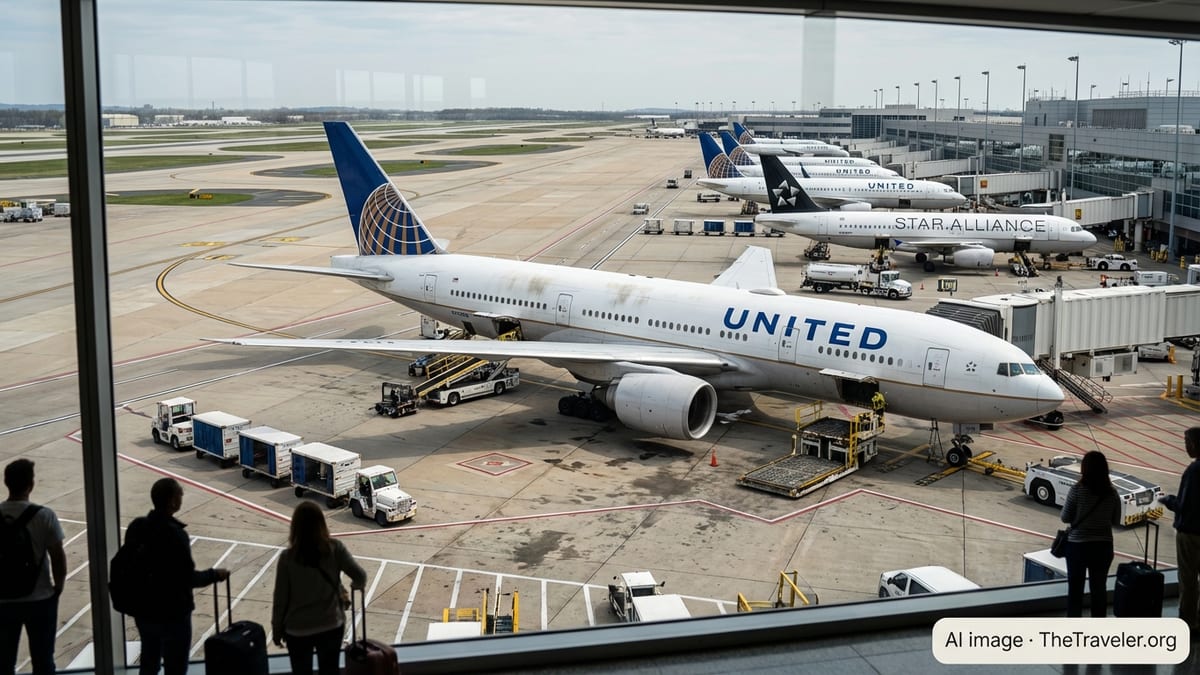
A Watchdog Report Puts United Under a Brighter Spotlight
The latest scrutiny stems from an audit released on February 18, 2026, by the U.S. Department of Transportation’s Office of Inspector General, which examined how the Federal Aviation Administration oversees United’s maintenance operations. Rather than focusing solely on individual incidents, the watchdog assessed broader patterns in how safety issues are monitored, documented and corrected across the airline’s fleet.
The audit concluded that the FAA’s certificate management office dedicated to United does not have sufficient inspectors, travel resources or analytical support to fully keep pace with the airline’s size and operational complexity. Inspectors responsible for United have faced persistent staffing vacancies, heavy workloads and high turnover, which the report warned can erode institutional knowledge and make it harder to spot emerging maintenance risks.
Investigators also found that, in some cases, inspectors conducted virtual reviews in place of required in-person inspections when travel budgets or staffing made on-site visits difficult. That practice, the report said, not only falls short of internal FAA requirements but can also distort the data used in risk models, potentially masking issues that would be more visible on a hangar floor or during a line check.
Although the report scrutinized the FAA rather than United directly, its findings effectively extend the cloud of questions surrounding the airline’s recent safety record. The watchdog recommended that the FAA strengthen staffing, improve training on how inspectors access United’s internal safety data, and conduct an independent review of how work is distributed within the office that oversees the carrier.
Recent Incidents Keep Maintenance Questions in the Headlines
The watchdog’s decision to focus on United followed a string of high-profile incidents involving the airline in recent years, including engine malfunctions and precautionary returns to airports shortly after takeoff. None of these events resulted in fatalities, but they have heightened public sensitivity to what used to be largely behind-the-scenes maintenance discussions.
Among the more notable cases was a December 13, 2025, flight from Washington Dulles International Airport to Tokyo that suffered an engine failure shortly after departure. Debris from the affected engine ignited a small ground fire inside the airfield perimeter, and the crew circled to dump fuel before landing safely back at Dulles with no injuries reported. Investigators opened a review into how the engine was maintained and whether inspections had flagged any issues beforehand.
Earlier, in 2024, United temporarily came under intensified FAA scrutiny after several separate episodes, including a long-haul aircraft that lost a tire shortly after takeoff from San Francisco and another that was discovered to be missing an external panel after landing. At the time, the FAA limited United’s ability to add new routes and aircraft while safety audits took place, underscoring how operational expansion can be slowed when regulators grow concerned about maintenance trends.
While each event was managed safely from a passenger perspective, they collectively contributed to a narrative of stress on United’s maintenance system as the carrier operates an aging mix of widebodies and narrowbodies alongside newer jets. The new watchdog report does not link specific incidents to specific errors, but it makes clear that the government believes current oversight mechanisms are not fully calibrated to catch every potential problem as quickly as intended.
Inside the Audit: Oversight Shortfalls and Data Gaps
At the heart of the inspector general’s findings is a concern that the FAA has not adequately matched its oversight resources to United’s size and growth trajectory. The report notes that United carries more than 160 million passengers annually and is preparing to take delivery of hundreds of new aircraft over the next decade, yet the inspector staffing model for the airline’s oversight office has not kept pace with this expansion.
Because of limited travel budgets and staffing, some inspectors reported resorting to remote document reviews, video calls and other virtual tools in circumstances where agency policies called for being physically present. In addition to reducing the ability to spot issues like corrosion, fluid leaks or improper repairs, the reliance on remote checks can lead inspectors to mark certain items as “not observable,” which in turn affects risk scoring and surveillance planning.
The watchdog also highlighted shortcomings in how the FAA accesses and uses United’s own safety management system data. Safety management systems are designed to flag hazards early by combining internal reports, trend analyses and risk assessments, but the audit found that not all inspectors were fully trained or comfortable navigating the airline’s digital systems. Several recommendations dating back to 2019 on improving SMS oversight remain open.
In response, the FAA has agreed to strengthen training on how inspectors obtain and interpret airline safety data, and to reassess how many inspectors are needed to oversee carriers like United. The agency has also committed to clarifying when inspections should be postponed rather than conducted virtually, particularly when a significant portion of required checks cannot be completed remotely.
United’s Response and Investments in Maintenance Capacity
United has not been accused by regulators of systemic noncompliance in the new report, but the audit’s timing and focus reinforce a message executives have been delivering to investors and employees: safety and maintenance will be central to how the airline manages its next phase of growth. In public comments and internal notes over the past two years, United’s leadership has repeatedly emphasized that safety remains its top priority.
On the ground, the airline has been investing heavily in maintenance and training infrastructure at major hubs. In Houston, United has begun construction on a new ground service equipment maintenance facility valued at more than one hundred million dollars, designed to support a vast fleet of tugs, loaders and other vehicles that keep aircraft turning on tight schedules. Alongside it, the airline opened a large technical operations training center, featuring workshops, simulators and scenario-based engine inspection programs intended to sharpen technicians’ skills.
Such projects are part of a broader strategy to prepare for a substantial influx of new aircraft while keeping older jets in safe, reliable service. By expanding its in-house training capacity and modernizing maintenance facilities, United aims to standardize best practices across its global operation and reduce reliance on ad hoc fixes or overtime that can creep in when hangars and classrooms are stretched thin.
However, critics argue that capital investments and training centers must be matched by a transparent safety culture and a willingness to welcome external scrutiny. Recent legal disputes, including a lawsuit by an off-duty FAA inspector who says he was banned from United flights after raising on-board safety concerns, have raised questions among some observers about how easily front-line employees and regulators can challenge the airline’s practices without facing pushback.
What All of This Means for Travelers Booking United
For the average traveler planning a work trip or vacation, the technical language of audits and staffing algorithms can feel far removed from the experience of picking a flight and walking down a jet bridge. It is important to recognize that even with the concerns raised in the latest report, commercial air travel in the United States remains one of the safest forms of transportation, and United continues to operate under the same federal safety regulations as its competitors.
The watchdog’s criticism focuses primarily on how thoroughly and efficiently the FAA is able to oversee United’s maintenance program, not on an immediate threat to passengers. Planes are still subject to strict inspection schedules, pilots retain the authority to refuse an aircraft they do not consider airworthy, and events such as engine anomalies typically result in precautionary returns and follow-up investigations rather than catastrophic outcomes.
That said, travelers may see subtle effects if the FAA acts on the audit’s recommendations by increasing on-site checks or intensifying surveillance at specific maintenance bases. In the short term, heavier oversight can lead to schedule adjustments, extended ground times for certain aircraft or delays if new inspection findings require additional work. For frequent flyers, this might translate into more last-minute aircraft swaps or slightly longer turnaround times at busy hubs.
In the longer run, more robust oversight and better staffing at the FAA could make United’s operations more resilient by catching potential issues earlier and ensuring that maintenance fixes are thoroughly documented and independently verified. For passengers, that increased rigor may never be visible beyond a smooth flight, but it is a critical part of the safety net underpinning modern air travel.
How United Compares With Industry-Wide Safety Oversight
The inspector general’s report on United comes after similar examinations of FAA oversight at several other major U.S. airlines in recent years, part of a broader effort to ensure that safety systems are keeping pace with rapid growth in air travel. American, Allegiant and Southwest have all faced detailed federal reviews of how regulators monitor their maintenance and safety programs, illustrating that United’s experience is not unique.
Industry analysts note that complex airlines with large fleets, multiple aircraft types and dense hub networks present particular challenges for both their own maintenance teams and the regulators assigned to oversee them. High utilization rates, tight turn times and the push to maximize aircraft availability can all increase pressure on maintenance schedules, especially when combined with a shortage of skilled technicians nationwide.
In that context, the United-focused audit is being read by many as a test case for how the FAA will adapt its staffing models and surveillance strategies to a future in which U.S. airlines are carrying more passengers than ever. The report’s emphasis on workforce planning, data access and inspector training is likely to inform oversight of other carriers as well, potentially leading to more uniform standards across the industry.
For travelers, one implication is that safety-related headlines are likely to appear periodically regardless of which airline they choose, as regulators continue to probe for weak spots and airlines balance growth plans with maintenance realities. The critical question is not whether incidents occur at all, but how swiftly they are detected, investigated and used to drive improvements in procedures and equipment.
Practical Tips for Passengers Focused on Safety
While the mechanics of FAA oversight and maintenance audits largely unfold out of public view, passengers who are particularly focused on safety can take several practical steps when planning and taking trips on United or any other airline. None of these can guarantee a risk-free journey, but they can help travelers feel more informed and engaged.
First, understanding that modern airliners are designed with redundancy in mind is essential. The engine failure that prompted a United flight to return to Washington, for example, was managed according to established procedures that assume the possibility of such events. Crews receive extensive training to handle them, and aircraft are engineered to fly safely on a single engine in the event of a malfunction.
Second, paying attention to crew briefings and following instructions during taxi, takeoff and landing remains one of the most effective ways for passengers to support safety. Many of the violations and concerns that inspectors and regulators focus on, from unsecured items in the cabin to passengers standing at inappropriate times, involve behaviors that passengers can help address by following crew guidance.
Finally, travelers can stay attuned to broader patterns by following mainstream news coverage and official statements from regulators when significant incidents occur. Understanding the difference between an abundance of caution and evidence of a systemic issue can help contextualize headlines about engine problems, emergency landings or heightened inspections, and can inform decisions about routing or carrier choice without overreacting to single events.
The Outlook: Increased Scrutiny and a Busy Travel Future
The inspector general’s audit arrives at a moment when United is positioning itself to capture strong demand for business and leisure travel over the next several years. The airline has placed large aircraft orders, expanded schedules to Europe and Asia and invested in new lounges and airport facilities, all while working through the operational and maintenance challenges that come with running a global network.
Regulators, lawmakers and safety advocates are now watching closely to see how the FAA implements the report’s recommendations and whether United makes any visible adjustments to its maintenance strategy or public communications in response. The agency has pledged to bolster staffing and training for inspectors overseeing the airline, a process that is likely to play out over months rather than days.
For travelers, the near-term impact is likely to be incremental rather than dramatic. Flights will continue to operate, occasionally disrupted by weather, air traffic control constraints or mechanical checks, as has long been the case. What changes, if the audit leads to sustained improvements, is the robustness of the systems behind the scenes that work to keep those disruptions from turning into something more serious.
As United, the FAA and federal watchdogs move into this next phase of scrutiny and reform, the central question for passengers remains whether the airline can continue to deliver reliable, safe service while executing its ambitious growth plans. The answer will depend not only on new buildings and training centers, but on whether the day-to-day discipline of maintenance and oversight keeps pace with an increasingly busy sky.