

More news on this day
United Airlines has quietly introduced a new headphone policy that gives crews the power to remove passengers from flights and even ban them from future travel if they refuse to use headphones while playing audio or video on personal devices, marking one of the toughest stances yet on in-flight noise and etiquette.
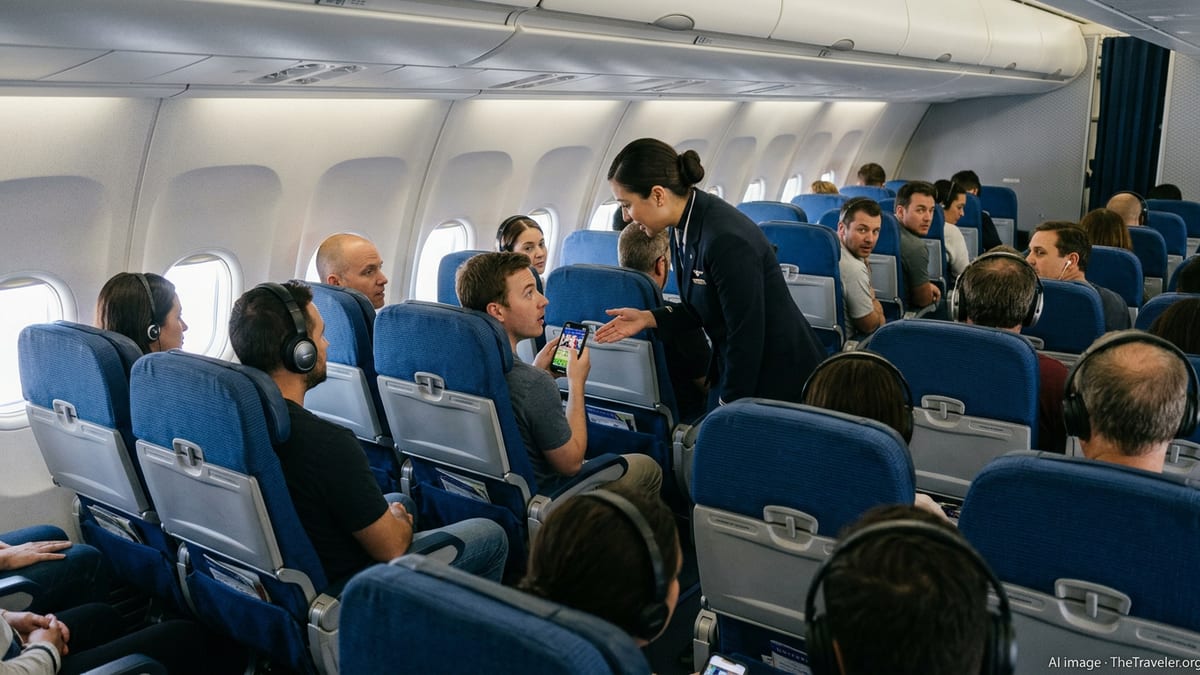
Contract Change Turns Etiquette Into Enforceable Rule
The Chicago based carrier recently amended its Contract of Carriage to state that passengers must use headphones or earbuds when listening to audio or watching video on board. The update, which took effect following a February 27, 2026 revision of the document, elevates what was once a courtesy request into a formal condition of transport.
Under the revised rules, playing sound through a device’s speakers is now grouped with other behaviors the airline deems a material breach of contract. That list already includes disruptive or disorderly conduct, refusal to follow crew instructions, smoking and wearing lewd or offensive clothing. United’s move effectively gives cabin crews a clearer legal basis to intervene when personal devices disturb the wider cabin.
United has long encouraged travelers to keep noise to a minimum, and its onboard Wi Fi terms have reminded customers to use headphones. What has changed is that this expectation is now directly embedded in the airline’s core passenger contract, putting everyone formally on notice that loud videos and music are no longer just bad manners but a violation of the travel agreement.
Penalties Range From Flight Removal To Permanent Bans
The language in United’s updated contract is unambiguous about enforcement. The airline now reserves the right to remove passengers from an aircraft at any point or to refuse them transport on a temporary or permanent basis if they fail to use headphones while consuming audio or video content. In practice, that could mean anything from being asked to leave a single flight to facing a lifetime ban after repeated or serious noncompliance.
Travel industry reports note that the headphone rule effectively joins a tier of offenses that already carry the risk of removal or denial of boarding, such as harassment, threatening behavior, or interfering with crew duties. United has indicated that the policy is aimed at maintaining safety, comfort and order in the cabin, underscoring that ignoring crew instructions on any rule, including the headphone requirement, may be treated as a serious infraction.
Whether permanent bans will be widely applied remains to be seen, but the explicit reference to long term refusal of service signals United’s willingness to escalate consequences if passengers repeatedly flout the new standard. Aviation analysts say the airline appears to be drawing a firmer line around behavior that impacts the collective travel experience, especially on full flights where tensions can already run high.
How The Rule Works In Practice On Board
For most travelers, the change means that any audio from phones, tablets, laptops, handheld game consoles or other personal devices must be routed through headphones from the moment they are used in the cabin. That applies to streaming movies, scrolling social media videos, playing games, listening to music or watching downloaded content. Simply turning the volume down on a device’s speakers does not meet the requirement.
Cabin crew members will continue to use discretion, typically starting with a reminder or polite request to use headphones if sound is audible beyond a passenger’s immediate seat. Reports from early briefings suggest that crews are being encouraged to resolve issues informally first, but they now have clearer authority to escalate if a customer refuses to comply after being asked.
In parallel, United has clarified that voice and video calls are not permitted once aircraft doors are closed, during taxi and while the plane is in the air. That prohibition aligns with existing practice on many carriers, but pairing it with the stricter headphone rule creates a more comprehensive framework for managing the growing number of audio capable devices onboard.
Headphones Availability And What Passengers Should Expect
To ease compliance, United says passengers who forget or misplace their headphones can ask flight attendants for a complimentary pair of basic earbuds, subject to availability. Supplies are not guaranteed, particularly on busy routes, so the airline is still urging travelers to bring their own wired or wireless headphones whenever possible.
The policy does not require any specific type of headphone, leaving passengers free to use noise cancelling over ear models, standard earbuds or wireless options, so long as any relevant aviation rules on device connectivity are followed. On many United flights, Bluetooth headphones may be used once personal electronic devices are allowed, though travelers may still be asked to remove them briefly during safety briefings so they can hear announcements clearly.
Passengers who rely on device audio for accessibility purposes are expected to be able to comply with the rule by using compatible headsets. United has not announced any separate exemption framework, but customer service teams are advising travelers with specific needs to contact the airline in advance to discuss accommodations and ensure a smooth boarding experience.
Why United Is Cracking Down On In-Flight Noise
United’s decision comes amid a broader industry push to address in flight disruptions and passenger conflicts, many of which are now sparked by personal technology use. As short form video platforms, social media clips and mobile games have become default in flight entertainment for many travelers, complaints about loud, looping audio from devices have become more frequent.
Airline and airport staff say they have witnessed a rise in noise related disputes in cabins, especially on long domestic segments and popular leisure routes. By codifying headphone use as a contractual requirement, United is betting that clearer rules will reduce arguments between passengers and give crews a stronger footing when intervening.
Industry observers also note that United appears to be positioning itself as a leader in codified etiquette standards, potentially nudging rivals to introduce similar rules. While other major US carriers strongly encourage headphones, none have yet matched United’s language about possible removal or permanent bans tied specifically to device audio. For now, that makes United’s approach one of the strictest in the market, and one that frequent flyers across its network will need to understand before their next trip.