

More news on this day
United Airlines has delayed the launch of six new routes from its Chicago O’Hare hub, adjusting its 2026 growth timetable at the airport even as it prepares for what is projected to be its busiest summer schedule from the city.
Get the latest news straight to your inbox!
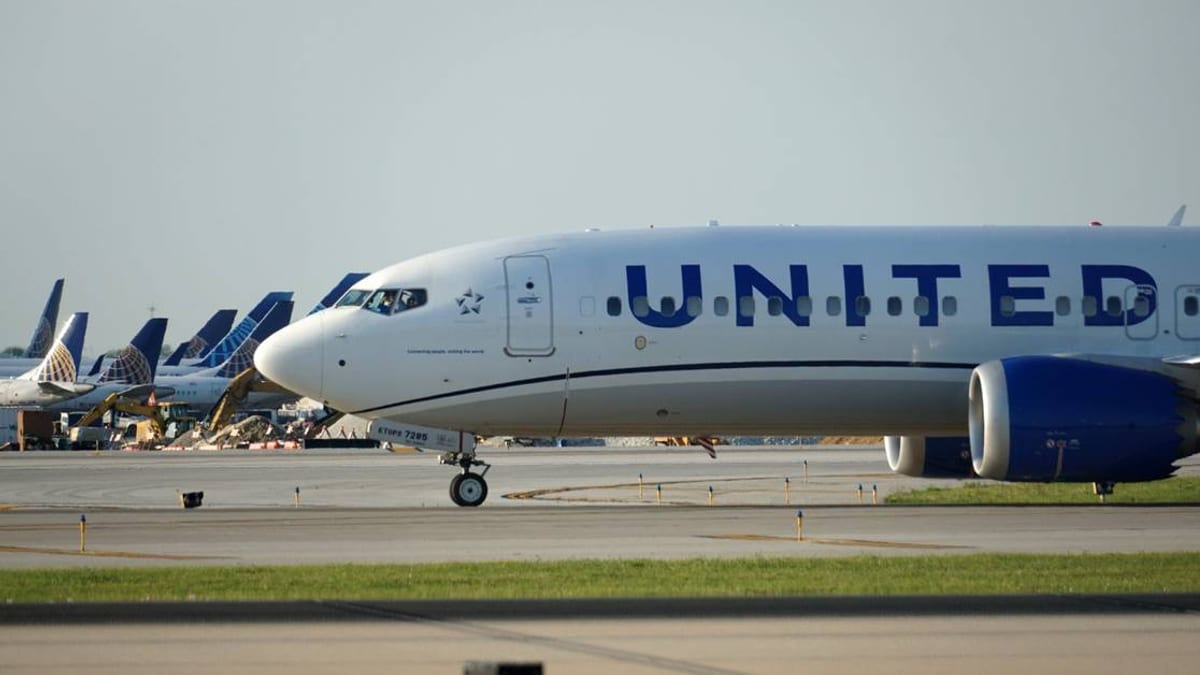
Route Rollout Slows Amid Record-Busy Hub Plans
Publicly available planning documents and local airport notices indicate that several United Airlines routes originally targeted to begin from Chicago O’Hare in the first half of 2026 will now start later in the year. The affected services are part of a broader push by the carrier to deepen its Midwest connectivity and expand onward links from Chicago to smaller regional markets and leisure destinations.
The schedule adjustments come only weeks after United detailed plans for a record summer at O’Hare, with internal forecasts and industry coverage pointing to up to 750 daily departures at peak. That expansion would position Chicago as one of the airline’s largest hubs by flights, even as the carrier fine-tunes the timing and sequencing of individual new routes.
Industry analysts note that shifting a cluster of route launches, rather than canceling them outright, suggests United is recalibrating capacity and aircraft availability rather than backing away from the Chicago market. The airline continues to promote O’Hare as a key gateway for both domestic and international connecting traffic.
United has not issued a detailed public breakdown of all six delayed routes, but airport-level communications and regional announcements show multiple smaller markets now listing later start dates than initially advertised. In each case, service remains planned, but the first flights have been pushed deeper into the summer season.
Operational Constraints Shape Summer 2026 Decisions
The decision to postpone the start of several Chicago routes follows a period of repeated strain on operations at O’Hare. In recent months, passengers and flight-tracking data have highlighted congestion, ground delays and weather disruptions at the airport, particularly during peak travel periods and severe Midwest storms.
Separate reports have also pointed to tight infrastructure and staffing conditions at O’Hare, including constraints on gate availability and air traffic control resources. Network planners often weigh these factors when deciding whether to introduce fresh departures at a hub already operating near capacity, especially at the busiest times of day.
According to aviation scheduling experts, deferring a batch of route launches from an ultra-busy hub can help smooth the ramp-up of new flights, reducing the risk of recurring delays and missed connections. By consolidating growth into slightly later months, United may be seeking to align new routes with periods when it expects more flexibility in fleet assignment and staffing.
At the same time, the airline’s broader capacity plans for Chicago remain substantial, with more overall flights and new destinations still slated to come online in 2026. The postponed routes are therefore being watched as a test of how aggressively United can continue to grow at O’Hare without exacerbating the airport’s operational bottlenecks.
Regional Airports Adjust to Later Launch Dates
The ripple effects of United’s timing changes are being felt directly at the smaller airports that had been preparing for renewed or inaugural Chicago links this spring. Local operators in several Midwestern and smaller coastal markets had been gearing up marketing campaigns and staffing plans around new or returning O’Hare flights that are now scheduled to begin later than first projected.
Airport announcements show that some communities that were anticipating early spring launches will now see Chicago service begin closer to the start of the core summer season. For local travelers, that translates into a longer wait for nonstop access to the Chicago hub and its onward connections across the United network.
Air service development specialists say such delays can complicate local planning, particularly when smaller airports are counting on new Chicago flights to support tourism, business travel and cargo links. However, because the routes remain on the books, officials in these communities generally view the postponements as a timing setback rather than a reversal of United’s strategy.
In several cases, local airport communications stress that the revised launch dates were driven by airline and federal scheduling decisions, rather than by any change in demand at the community level. Passenger volumes at many regional airports have been steadily recovering, reinforcing the longer-term appeal of renewed access to Chicago O’Hare.
Customer Impact: Rebookings and Limited Options
For passengers, the most immediate impact of the delayed route launches is on those who had already booked itineraries relying on the new Chicago flights. Travel agencies and online booking platforms show that affected customers are being shifted to alternative routings, often involving connections through other hubs or, in some cases, longer total journey times.
Because many of the postponed routes involve smaller cities with limited service, options for rebooking can be constrained. Travelers may find themselves moved to flights on different days, or connecting via hubs such as Denver, Houston or Washington instead of Chicago, depending on network availability.
Consumer advocates note that schedule changes linked to route launch delays typically qualify passengers for rebooking without change fees, and in some cases, for refunds if the revised itinerary no longer meets their needs. However, travelers still face the practical challenge of securing comparable flight times, particularly during busy summer travel windows when many routes are already heavily booked.
Travel planners recommend that customers who intended to use the new Chicago services monitor their reservations closely and proactively contact their airline or booking channel if they see significant timing shifts. Early engagement can improve the chances of finding acceptable alternatives before remaining seats are taken on nearby flights.
Network Strategy Signals Continued Chicago Focus
Despite the near-term setback represented by six delayed route launches, the overall shape of United’s 2026 schedule underscores the central role of Chicago O’Hare in the airline’s long-term network strategy. Company statements and independent analysis describe Chicago as a cornerstone hub for connecting Midwestern travelers to both coasts, as well as to Europe, Latin America and Asia.
By continuing to plan added frequencies and new destinations from O’Hare, even while re-spacing some of the start dates, United appears committed to maintaining a competitive position against rival carriers at the airport. Market watchers view the delayed routes as part of a broader effort to balance ambitious growth with the operational realities of running a large, complex hub.
Industry observers will be tracking whether the postponed Chicago routes eventually open with the originally envisioned frequency, or whether further adjustments follow once the first season of operations provides clearer demand and performance data. The outcome may influence how United staggers future route launches from O’Hare and other capacity-constrained hubs.
For now, the delayed start of six routes from Chicago O’Hare offers a reminder that even amid record schedules and expanding networks, carriers continue to recalibrate the fine details of their route maps in response to shifting conditions on the ground and in the air.