

More news on this day
United Airlines is preparing to pass higher fuel costs on to travelers, signaling that airfares are likely to climb as global oil prices spike and jet fuel expenses surge ahead of the peak summer travel season.
Get the latest news straight to your inbox!
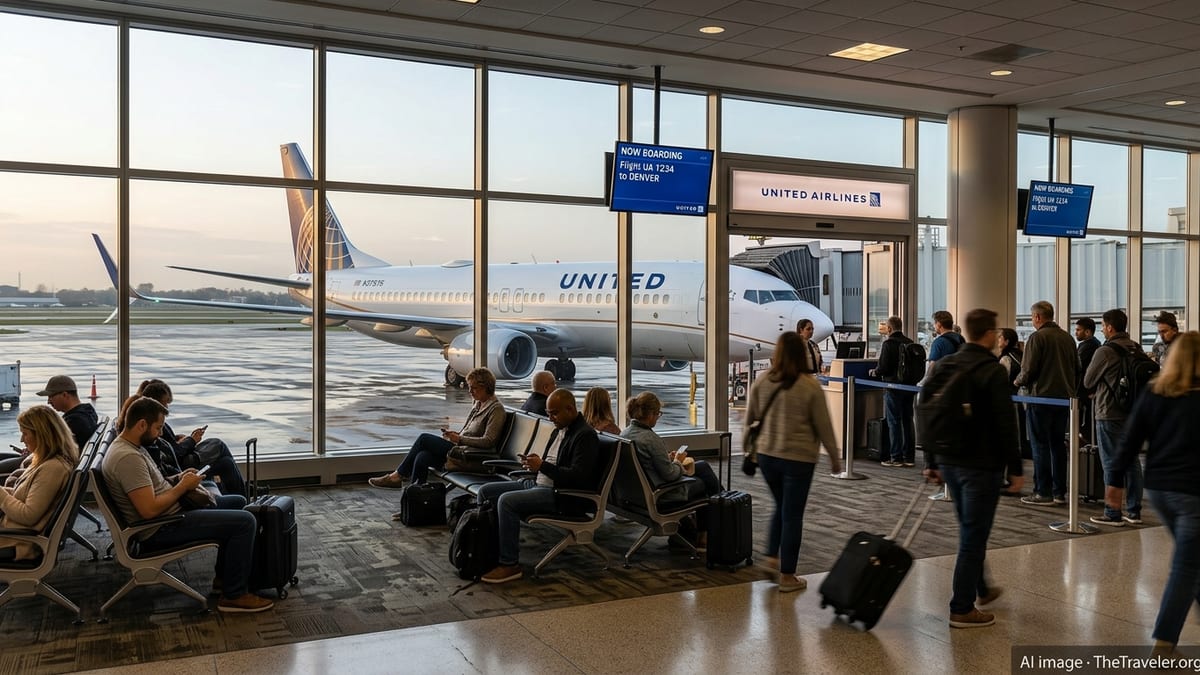
Fuel Costs Surge on Global Oil Shock
Global oil markets have been jolted in recent weeks, with Brent crude briefly pushing above the 100 dollar per barrel mark amid escalating conflict in the Middle East. Reports indicate that tanker disruptions and attacks on energy infrastructure have tightened supplies, particularly around key shipping lanes, sending energy prices sharply higher. Analysts describe the move as a rapid reversal from the comparatively stable oil environment seen through much of 2025.
Jet fuel prices have climbed even faster than crude benchmarks. Industry commentary points to a widening gap between crude and refined products, meaning airlines are paying a steeper premium for the fuel that powers their fleets. In the United States, estimates suggest jet fuel has jumped by well over a dollar per gallon in just a few weeks, pushing per-gallon costs to levels not seen in years.
Fuel is one of the airline industry’s largest expenses. Publicly available financial data and industry reports show fuel typically accounts for roughly a quarter of major carriers’ operating costs, second only to labor. That cost structure leaves airlines highly sensitive to any sustained increase in oil, and it makes pricing decisions on airfares a critical lever for protecting profitability.
Market coverage indicates that airline stocks, including United, have come under pressure as investors factor in the impact of more expensive fuel. Recent trading sessions have seen double digit percentage declines in some carriers’ share prices following the oil spike, underscoring expectations that margins will be squeezed unless higher costs can be offset through fares or capacity adjustments.
United’s Warning: Higher Fares Are Coming
Against this backdrop, United Airlines is signaling that travelers should brace for higher ticket prices. According to recent news coverage, United’s chief executive has warned that airfare increases will probably begin quickly as rising fuel expenses work through the system. Public comments cited in major outlets emphasize that carriers cannot absorb such a sharp jump in fuel indefinitely without passing at least part of the burden to customers.
United has indicated in investor communications and media reports that the current surge in oil and jet fuel will weigh on upcoming quarterly results. Guidance updates suggest that higher fuel bills could amount to hundreds of millions of dollars in additional costs if current prices persist. Analysts tracking the company note that United, like many of its U.S. peers, no longer relies heavily on fuel hedging, leaving it more exposed to spot market swings than in some earlier cycles.
At the same time, coverage of United’s booking trends paints a picture of robust demand. Reports highlight that the airline has recently logged record booking weeks, particularly for the opening months of 2026. That strength gives United more room to nudge prices higher without immediately derailing load factors, especially on popular domestic and transatlantic routes.
Industry forecasters say the near term question is not whether fares will rise, but how rapidly and unevenly the increases will appear. Longer routes that burn more fuel, along with flights that rely on constrained regional hubs, are seen as the most likely to see earlier price adjustments. United’s network, with its large long haul international operation, is expected to reflect those pressures.
How Oil Shapes Airline Pricing Power
Economic research on aviation consistently shows a close relationship between fuel prices and ticket costs over time. When oil remains elevated for several months, airlines generally respond by raising base fares, trimming the most marginal routes, and focusing capacity on higher yielding markets. United and other large carriers have used this playbook in previous oil spikes, reducing discount inventory and emphasizing premium cabins and ancillary revenue.
According to financial analysis widely cited in the business press, major U.S. airlines might each face quarterly fuel bills in the range of 1.5 billion dollars or more at current price levels. For United, that means even modest percentage changes in fuel efficiency or pricing can translate into significant shifts in earnings. If fuel remains at today’s elevated levels, analysts argue that sustained fare increases and selective capacity cuts become more likely.
Some industry observers note that United is relatively better positioned than smaller rivals because of its global network, loyalty program strength, and ability to attract high value corporate and long haul leisure travelers. Those segments are often less price sensitive than ultra low cost carrier passengers, giving United somewhat greater flexibility to raise fares without losing too much traffic.
However, experts also caution that consumers have more tools than ever to compare prices across airlines. If United moves too aggressively on fares in competitive domestic markets, budget carriers and other legacy rivals could capture price sensitive travelers. This balance between cost recovery and competitive pressure will shape how quickly United can translate higher oil prices into higher average fares.
Traveler Impact Ahead of the Summer Season
The timing of the fuel price spike is particularly sensitive for travelers, arriving just as airlines finalize schedules and pricing for the busy northern hemisphere summer. Publicly available booking and search data referenced by travel analysts indicate that demand for June through August remains strong, with many routes already experiencing elevated base fares after several years of robust post pandemic travel.
Consumer focused coverage suggests that United and its competitors are likely to first reduce the availability of the lowest fare buckets before pushing up headline prices. Travelers might notice fewer sale fares, smaller promotional discounts, and more dynamic price moves in response to search trends and booking patterns. Over time, particularly if oil remains high into the second half of the year, average ticket prices on many United routes are expected to reflect a visible step up.
Analysts also point out that any new or revived fuel surcharges could return on certain long haul itineraries if jet fuel costs continue to climb. While U.S. airlines have relied less on explicit surcharges in recent years, some international carriers have already announced such measures, and a similar approach could emerge on select United routes where competitive conditions allow.
For travelers, the evolving environment means that timing and flexibility will matter more. Watching fare trends, considering shoulder season dates, and being open to alternate hubs may help soften the impact of United’s expected price moves. Nonetheless, the overall direction of travel pricing appears upward as the airline works to protect margins in a far more expensive fuel landscape.
Strategic Responses and Longer Term Outlook
Beyond near term pricing, United is signaling that it is planning for the possibility of fuel staying expensive for an extended period. Commentary shared in public forums about internal communications suggests that management has modeled scenarios in which oil remains well above 100 dollars per barrel for years, prompting a more cautious approach to capacity growth and fleet deployment.
Such planning includes prioritizing newer, more fuel efficient aircraft, reallocating capacity toward higher margin routes, and delaying or trimming less profitable expansions. Industry forecasts indicate that as airlines retire older jets and bring in next generation models, fuel burn per seat should improve, partially offsetting higher fuel prices over time. United’s substantial order book for modern narrowbody and widebody aircraft is expected to play a role in this strategy.
At the sector level, financial analysts highlight that only a handful of large U.S. carriers, including United, are seen as able to generate even modest profits if fuel prices stay near current highs. This dynamic may intensify pressure on smaller competitors and accelerate consolidation or capacity rationalization in certain markets, which could, in turn, reinforce the pricing power of the largest airlines.
Longer term energy and aviation outlooks from industry bodies still anticipate some moderation in oil prices beyond the immediate geopolitical shock, but they also emphasize rising environmental and regulatory costs, including investment in sustainable aviation fuel. For United and its peers, that means fuel and energy linked expenses are likely to remain central to their business models, and airfare trends will increasingly reflect that reality for travelers.