

More news on this day
Spring break flyers across the United States are facing a turbulent end to March as United Airlines contends with rolling cancellations and extensive delays triggered by severe weather, congestion at key hubs and mounting operational strain.
Get the latest news straight to your inbox!
Stormy March Hammers an Already Stretched Network
A succession of powerful late‑season storms in March 2026 has exposed fault lines in United Airlines’ tightly wound schedule just as spring travel demand surges. A major blizzard and severe weather outbreak between March 13 and 17 disrupted airports from the Upper Midwest through the Mid‑Atlantic, setting off days of knock‑on delays across the carrier’s network as aircraft and crews fell out of position.
Travel industry coverage indicates that by late March, a second wave of spring storms brought strong winds, thunderstorms and low visibility to critical corridors in Texas and along the East Coast. Dallas, Houston and Austin all recorded heavy delay totals at the end of the month, with United among the carriers most affected at several of those airports. The weather complications arrived on top of already busy schedules built around school holidays and Easter‑adjacent trips.
These conditions have collided with a U.S. air transport system that has little slack. Analysts note that when storms or air traffic control limitations reduce capacity, airlines flying densely packed timetables have few spare aircraft or crews available to absorb disruption, amplifying the impact on travelers. United’s experience this March has followed that pattern, with local weather issues quickly morphing into nationwide irregular operations.
In several hubs, reports describe airports “gridlocked” by the midafternoon as arriving aircraft waited for gates and outbound departures stacked up for takeoff slots. That congestion, in turn, increased the risk of further delays as crews approached duty time limits and aircraft missed onward connections to other destinations.
Hubs From Chicago to Houston Struggle to Keep Flights Moving
United’s major hubs have borne the brunt of the recent turmoil. Chicago O’Hare, one of the airline’s largest connecting points, experienced repeated bouts of cancellations and long departure queues when snow, freezing rain and high winds swept through the Midwest in mid‑March. Passenger accounts and airport data show hours‑long waits as operations slowed to accommodate runway de‑icing and reduced arrival rates.
On the coasts, New York‑area and Washington‑area airports saw waves of delays on days when thunderstorms, low clouds or regional air traffic restrictions took hold. Coverage of the broader U.S. disruption on March 23 and March 27 points to hundreds of delays and dozens of cancellations concentrated at the biggest coastal hubs, where United competes for limited airspace and runway capacity with other major carriers.
Further south, Houston’s George Bush Intercontinental Airport emerged as another flashpoint late in the month. Travel waiver notices and passenger reports indicate that lingering storms and congestion around March 23 to March 30 created recurring problems for United’s schedule there, prompting flexibility policies for affected flyers. When one hub experiences cascading delays, the effect quickly ripples out through the airline’s web of domestic and international routes.
Secondary cities have not been spared. Reports from Austin and San Diego describe clusters of United cancellations and delays alongside those of competitors, illustrating how bottlenecks at hubs can strand aircraft and passengers far from the original weather trouble spots. For spring break travelers, that has meant missed beach vacations, disrupted family visits and overnight stays in unplanned cities.
Passengers Confront Long Lines, Limited Options and Confusion
For travelers on the ground, United’s spring disruptions have translated into a familiar but frustrating reality: long customer‑service lines, scarce rebooking options and limited real‑time information. Social media posts and consumer forums in late March are filled with accounts of flyers waiting hours to speak with agents or receiving multiple schedule changes in a single day as the airline attempted to rebuild its operation.
Spring break timing has compounded the problem. With many flights already near full, especially on popular leisure routes, same‑day alternatives have often been difficult to secure once an original flight is canceled. Some passengers report being pushed to next‑day or even multi‑day later departures, particularly when traveling through storm‑hit hubs such as Chicago or Houston.
Consumer advocates note that while airlines are not required to compensate travelers for weather‑related disruptions, carriers must refund passengers whose flights are canceled and who choose not to travel. In practice, however, travelers often face a confusing distinction between weather and operational causes, and must press for documentation if they plan to pursue reimbursement or use credit card travel protections.
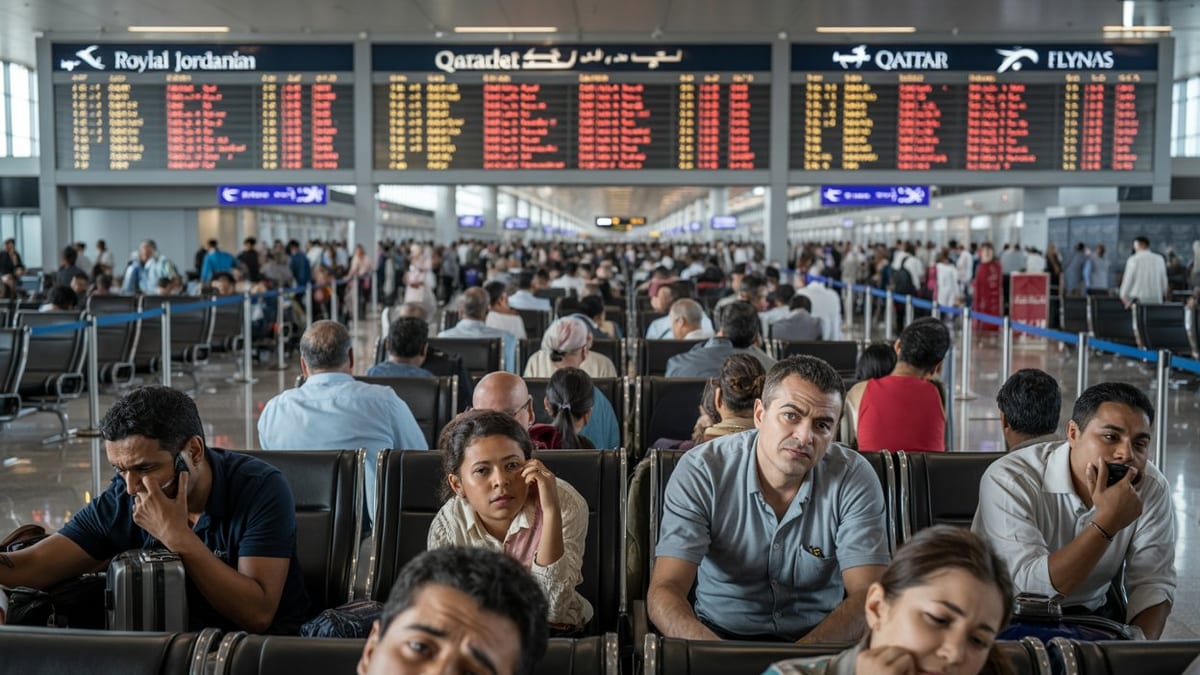
Reports also highlight the uneven experience between flyers who rely on airport counters and those able to navigate digital tools. United’s mobile app and website can rebook many disrupted passengers automatically, but heavy system use during mass irregular operations can slow these channels. When that happens, crowding quickly shifts back to gate podiums and check‑in areas, contributing to scenes of packed concourses and full customer‑service halls.
Capacity, Infrastructure and Labor Under Scrutiny
The latest wave of United disruptions is renewing broader questions about how much stress the U.S. aviation system can withstand as travel demand returns to or exceeds pre‑pandemic levels. Industry filings and prior regulatory disclosures have pointed to persistent constraints in key areas, from pilot and technician availability to aircraft supply chain issues and aging airport infrastructure.
United, like its peers, has worked to rebuild capacity while coping with aircraft delivery delays and a competitive labor market. Analysts note that even modest staffing or fleet shortfalls can magnify the impact of storms or air traffic control restrictions, because there are fewer spare crews and aircraft available to step in when schedules unravel. Spring break travel highlights those vulnerabilities, with peak loads leaving little margin for error.
At the same time, reports about regional air traffic control staffing shortages and technology challenges have raised concerns about whether the broader system can support continued growth in flight volumes. Ground stops and flow control programs issued by federal authorities during storms can reduce traffic sharply into busy hubs, instantly stranding aircraft and passengers and forcing airlines like United to triage their schedules.
Observers also point to the lessons of prior industry‑wide technology incidents, which showed how dependent modern airline operations are on complex digital systems. Although this spring’s United turmoil has been driven primarily by weather and congestion, the broader context has kept attention focused on operational resilience and contingency planning.
What Spring Travelers Can Expect in the Weeks Ahead
With April just beginning and school holidays still under way, travel experts warn that conditions for United customers may remain unpredictable in the near term. Forecast models indicate that spring weather patterns capable of triggering regional storms and high winds are likely to persist into April across parts of the Midwest, South and East Coast, keeping pressure on already strained hub operations.
Published guidance from travel organizations suggests that passengers flying with United in the coming weeks should build extra time into itineraries, particularly when connecting through Chicago, Newark, Houston or other large hubs that have seen repeated disruptions. Choosing earlier flights in the day, where possible, may improve chances of departure before storms build or delays cascade.
Travel coverage also emphasizes the importance of monitoring travel waivers, which can allow customers to shift trips away from the worst of the disruption windows without additional change fees. United has issued several such waivers in March for specific regions and dates, and similar policies may emerge quickly when new storm systems threaten.
For now, the combination of volatile spring weather, heavy leisure demand and an overstretched aviation ecosystem means that United’s recent turmoil may not be a one‑off event. Instead, it serves as an early test of how both airlines and passengers adapt to an increasingly fragile travel environment as the busy summer season approaches.