

More news on this day
Spring travelers across the United States are facing rolling disruptions as delays involving United Airlines and regional partner SkyWest ripple outward from Denver International Airport and other key hubs, compounding an already difficult April for airline operations.
Get the latest news straight to your inbox!
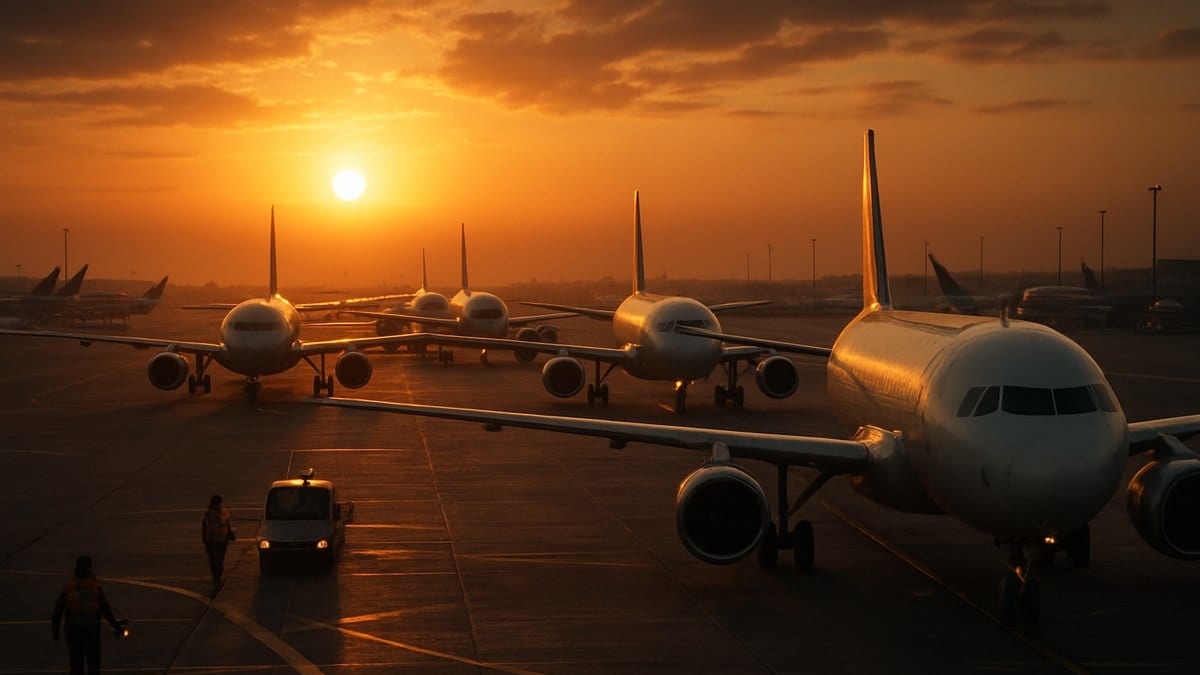
Fresh Wave of Disruptions on April 11
According to widely cited aviation tracking data and industry reports, United and SkyWest are among several U.S. carriers contending with significant delays on April 11, 2026. Aggregated figures for the day indicate more than 1,700 delayed flights nationwide, with United and SkyWest both contributing to the total as weather and operational strains squeeze already tight schedules.
Publicly available disruption tallies show that SkyWest, which operates regional flights for United under the United Express brand, is recording dozens of delays and a smaller number of cancellations across its U.S. network. United’s mainline operation is also experiencing elevated delay levels at multiple hubs, including Denver, Chicago, Houston and coastal gateways, as aircraft and crews fall out of position.
The pattern follows a broader trend this month in which successive days of storms, strong winds and capacity constraints have triggered flight holds, ground delays and reroutes. As airlines work to recover, late-arriving aircraft have pushed some departures well past their scheduled times, with knock-on effects for passengers attempting to make connections.
While Denver is not the only airport affected, its status as a central hub for both United and SkyWest amplifies the impact. Even modest schedule disruptions at Denver can quickly cascade, touching dozens of spoke routes across the Mountain West, Midwest and West Coast.
Denver Hub at the Center of the Network Strain
Denver International Airport, one of the nation’s busiest hubs and a core node in United’s network, has been a recurring focal point for operational stress this spring. Aviation data compiled from recent days indicates that Denver has registered waves of delays alongside other major airports, including Chicago, Atlanta, Houston and several coastal gateways.
Coverage in travel industry outlets notes that Denver has seen triple-digit delay counts on multiple days in April as strong winds and unsettled weather over the central United States periodically constrain arrivals and departures. At times, outbound flights have been held on the ground while inbound aircraft were rerouted or slowed, creating pressure on limited gate space and forcing crews up against duty-time limits.
United relies heavily on Denver as a connecting hub for transcontinental and regional traffic, and SkyWest’s role as a United Express operator adds a second layer of complexity. Many short-haul flights linking Denver to cities in Colorado, neighboring states and Canada are handled by SkyWest, meaning disruptions can sweep quickly through regional operations when conditions deteriorate along the Front Range.
Recent performance data for United flights touching Denver show that average delays have crept higher compared with the winter period, reflecting the combined impact of weather, air traffic control initiatives and tight turn times. For travelers, this has translated into missed connections, extended waits for rebooking and, in some cases, overnight stays when later flights have reached capacity.
April’s Broader Pattern of United and SkyWest Delays
The latest problems come on the heels of several high-disruption days earlier in April. Published analyses of flight-tracking data highlight April 3, 2026, as a particularly severe day for United, with more than 800 flights delayed and dozens canceled across its network as delays spread through hubs such as Newark, Chicago O’Hare, Denver, Washington Dulles and Houston.
Travel trade publications have also documented a series of nationwide events in early and mid-April in which airlines including United, SkyWest, Delta, American and others collectively recorded thousands of delays in a single day. In these episodes, SkyWest frequently appeared among the carriers with elevated disruption levels, reflecting its large footprint as a regional operator for multiple major airlines.
Industry commentary points to a combination of factors behind the recurring problems. Spring storms in key airspace regions, a busy seasonal travel rebound and the inherent fragility of tightly timed hub-and-spoke schedules all play a role. When the first bank of morning departures is disrupted, aircraft and crews can remain out of position for the rest of the day, leading to rolling delays that extend late into the evening.
United and SkyWest are not alone in facing these challenges, but their close operational linkage means issues can move quickly from regional feeds to long-haul routes. A weather-related delay or crew timing issue on a SkyWest-operated United Express flight into Denver, for example, can easily cause a missed connection onto a United mainline service to the East or West Coast.
Impact on Travelers and Key U.S. Routes
Passengers traveling through Denver and other United hubs on April 11 have encountered a familiar mix of long lines, departure boards filled with late flights and uncertainty over arrival times. Reports from flight-tracking platforms and airport operations updates show disruption touching routes to and from cities such as San Diego, Aspen, Vancouver, Toronto and several major U.S. business centers.
Connections are particularly vulnerable when regional arrivals operated by SkyWest run late into large United banks at Denver. With many itineraries built around relatively short layovers, delays of 30 to 60 minutes can be enough to force rebookings. When subsequent flights are already heavily booked for spring travel, options for same-day alternatives narrow quickly.
Travel industry coverage notes that some passengers have seen multi-leg journeys extended by several hours as they are routed through different hubs or placed on later flights. Others have reported baggage arriving on later services after tight connections were missed. While airlines typically work to minimize these disruptions, the sheer volume of affected flights can slow recovery efforts.
Routes connecting Denver to secondary and leisure destinations can be among the hardest hit, as they may operate only a few times per day. A single canceled or heavily delayed United or SkyWest service on such a route can leave travelers with limited alternatives until the following day.
What Passengers Can Expect in the Coming Days
With April’s volatile weather patterns expected to continue across parts of the central and eastern United States, operational experts caution that further day-to-day variability in on-time performance is likely. Publicly available airline filings and risk disclosures underscore that carriers such as SkyWest and United remain highly exposed to weather, air traffic control initiatives and other external constraints at major hubs including Denver.
Travel advisors suggest that passengers connecting through Denver and other big United hubs in the near term build extra time into their itineraries where possible and monitor flight status closely. Same-day schedule changes, rolling delays and gate shifts have been frequent enough this month that relying on tight connections carries added risk.
Industry observers also note that airlines are adjusting schedules and reallocating aircraft in response to the latest disruptions, which could gradually restore more stability if weather cooperates. However, as the April 11 pulse of delays demonstrates, any renewed bout of storms or airspace congestion can quickly send fresh ripples through the United and SkyWest networks.
For now, travelers passing through Denver and other United hubs face another unsettled stretch of spring flying, with the latest United and SkyWest delays serving as a reminder of how quickly conditions at one critical airport can impact routes across the country.